
Vegetables
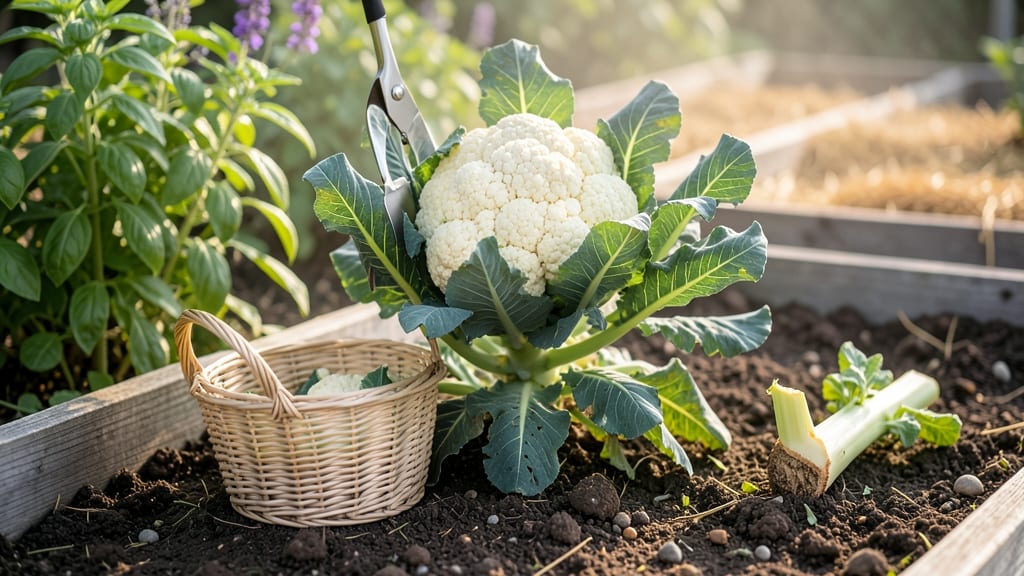
Harvesting your 🥬 cauliflower at the right time means the difference between a tender, snow-white curd and a bitter, bolted mess.
Cauliflower lovers know the struggle—picking too early means underdeveloped curds, while waiting too long risks bolting and bitter flavors. Timing your harvest perfectly ensures plump, tender heads every time.
In USDA Zone 6a, most varieties reach harvest readiness between 70-100 days after planting, typically landing in June or July. But the real secret lies in the visual cues: a firm head, tightly packed florets, and yellowing outer leaves signal it’s time to act.
Below, I’ll walk you through how to spot the perfect moment, avoid common mistakes, and keep your harvest fresh for weeks—no guesswork, just foolproof results.

How to identify the perfect cauliflower harvest time by visual cues
Timing your cauliflower harvest is an art that balances patience with precision. One week too early, and you’ll end up with loose, underdeveloped curds—too late, and your plant may bolt (send up a bitter flower stalk).
The key lies in reading your plant’s visual cues, which vary slightly between white, purple, and orange varieties. I’ve learned that ignoring these signs can turn a promising crop into a disappointing one.
Start by checking the head size, which should reach 6-8 inches in diameter for most varieties. Smaller heads often mean the plant needs more time, while oversized ones may have already started bolting.
Next, examine the outer leaves—when they begin to yellow and die back, it’s a clear signal that the curd is nearing maturity. This process is nature’s way of telling you it’s time to act.
| Visual Cue | White Varieties | Purple Varieties | Orange Varieties |
|---|---|---|---|
| Head Size | 6-8 inches | 6-7 inches | 5-7 inches |
| Leaf Color | Yellowing outer leaves | Dull purple hue | Green-yellow transition |
| Curd Texture | Firm, tightly packed | Dense, no gaps | Semi-firm, vibrant |
| Stem Firmness | Snaps cleanly | Slightly woody | Flexible but sturdy |
| Weather Impact | Harvest before 75°F | Cool temps delay bolting | Heat speeds maturity |
The curd color is another critical clue. For white varieties, the head should be uniformly white with no green or yellow florets peeking through.
If you spot green buds, your cauliflower is past its prime. Purple varieties like ‘Graffiti’ develop a deep violet hue when ready, while orange types like ‘Cheddar’ turn a rich, buttery color. These color changes signal the curd is at its peak flavor and texture.
Don’t overlook the stem firmness—a ripe cauliflower head should have a thick, sturdy stem that snaps easily when bent. If the stem feels soft or mushy, the head is overripe.
I’ve made the mistake of ignoring this cue, only to find the stem collapsing under the weight of the curd. Always test the stem before committing to a harvest.
Weather plays a surprising role in harvest timing. Cooler temperatures (50-70°F) slow down maturity, giving you more time to monitor your plants. But when heat waves push temps above 75°F, cauliflower heads mature faster and risk bolting.
In my Zone 6a garden, I’ve learned to harvest purple varieties first during heatwaves since they tolerate warmth slightly better than white types.
One trick I’ve adopted is the "finger test" for curd density. Press a finger gently into the center of the head—it should feel firm but slightly springy, like a well-inflated balloon.
If it leaves a dent, the curd is still developing. This simple test has saved me from harvesting prematurely more times than I can count.
For orange cauliflower varieties, timing is even trickier because their vibrant color fades as they overripen. The ideal moment is when the head reaches 5-7 inches and the outer leaves start curling inward.
I’ve found that these varieties often mature 1-2 weeks earlier than white types, so I keep a closer eye on them.
If your cauliflower plants are struggling to form heads despite meeting all other cues, check for nutrient deficiencies or pests. A lack of nitrogen can stunt head development, while cabbage worms can chew through curds.
In my experience, addressing these issues early can sometimes reset the plant’s growth cycle, giving you a second chance at a perfect harvest.
Finally, remember that harvest timing varies by variety. Fast-maturing types like ‘Snowball’ may be ready in 60-70 days, while heirlooms like ‘Romanesco’ can take up to 100 days. Always consult your seed packet for specific guidelines, but trust your eyes and fingers as the final judges.
With practice, you’ll develop an instinct for when that perfect cauliflower head is begging to be picked.
Why late harvesting causes bolting—and how to prevent it
If you’ve ever waited too long to harvest your 🥬 cauliflower, you’ve likely seen the dreaded bolting—when the plant sends up a tall flower stalk instead of producing a tender curd.
This happens because cauliflower is a cool-season crop that reacts to stress, including heat, long daylight hours, or simply reaching maturity. When left unharvested, the plant shifts its energy from head production to flowering, leaving you with bitter, inedible stalks.
Bolting is triggered by two main factors: temperature spikes above 75°F (24°C) and daylight exposure exceeding 14 hours. In USDA Zone 6a, this often happens in late summer when days grow longer and temperatures climb.
The result? Your perfectly promising curd transforms into a woody, seed-filled stalk—hardly the harvest you envisioned.
⚠️ callout warning
Waiting just 3-5 days past the ideal harvest window can trigger bolting. Once the flower stalk emerges, the curd becomes tough and bitter. Act fast when outer leaves yellow and the head feels firm to the touch!
To prevent bolting, start by choosing bolting-resistant varieties like ‘Snowball’ or ‘Purple of Sicily,’ which tolerate slightly warmer conditions better than others. These varieties are bred to delay flowering longer, giving you a wider harvest window.
Pair this with shade cloth (30-50%) during peak afternoon heat to reduce stress on the plant.
Another trick is pruning side shoots—those small shoots forming around the main head. Removing them redirects the plant’s energy to the primary curd, delaying bolting by up to 10-14 days.
Use clean, sharp scissors to snip them off at the base, and repeat every 5-7 days until harvest time.
If your cauliflower is nearing maturity but you’re not ready to harvest, consider delaying planting in warmer climates. In Zone 6a, opt for a fall planting (August-September) instead of spring. Cooler fall temperatures slow growth, giving you a second chance at a perfect harvest before frost sets in.
Finally, monitor your soil moisture and nutrient levels. Stress from drought or nutrient deficiencies can accelerate bolting. Keep the soil consistently moist (but not soggy) and fertilize with a balanced 10-10-10 formula every 4-6 weeks to support steady growth. A well-fed plant is less likely to bolt prematurely.