
Blooming
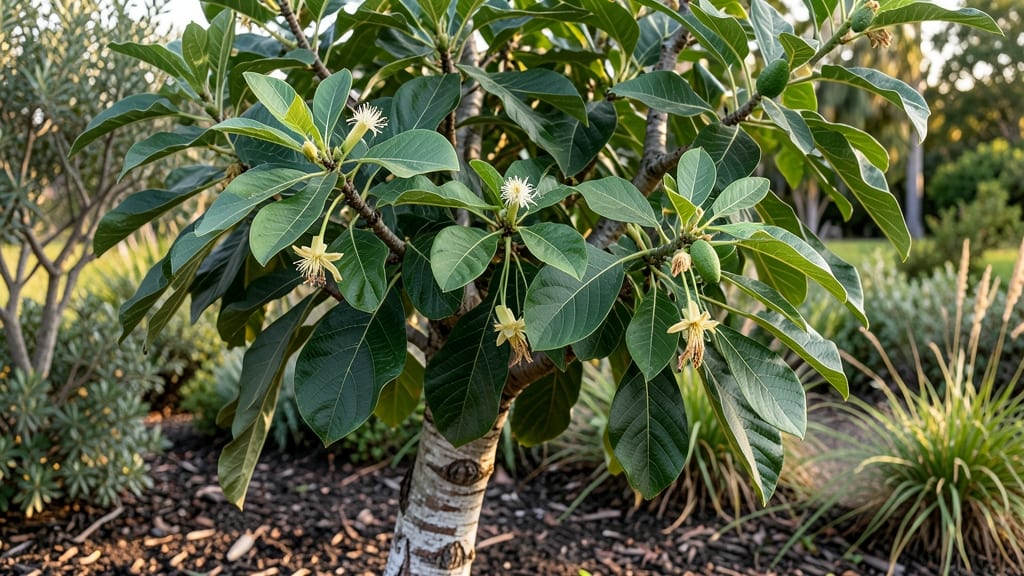
Understanding the avocado flower stages is the secret to unlocking a bountiful harvest from your 🥑 tree—because those tiny blooms hold the future of your fruit.
Did you know avocado trees produce two types of flowers—Type A and Type B—yet only one leads to fruit? Without knowing how to spot and support each stage, you might miss the best time to pollinate or even realize your tree is blooming at all.
From the first signs of bud formation to the critical pollination window, every phase matters. Temperature, humidity, and even the time of day can make or break fruit set, and skipping one step could leave you with empty branches.
In this guide, I’ll walk you through each stage—what to look for, how to encourage success, and the simple tricks (like hand-pollination) that can double your yield. Whether you’re in Zone 6 or a tropical paradise, these insights will help you turn flowers into fruit.
The 5 key stages of avocado flowering and their role in fruit development
Avocado trees follow a fascinating 5-stage flowering process that determines whether your tree will bear fruit. Each phase—from bud formation to post-pollination—depends on precise environmental conditions like temperature, humidity, and even daylight hours. As a gardener, understanding these stages helps you optimize care and troubleshoot issues like poor fruit set.
Most avocado varieties produce two flower types: Type A (male) and Type B (female). Only when Type B flowers are pollinated by Type A (or vice versa, depending on the variety) will fruit develop.
The timing of these stages varies by climate zone—tropical growers see year-round blooming, while Zone 6 gardeners may experience a single spring flush. Let’s break down each critical phase.
| Stage | Key Characteristics | Environmental Needs | Duration |
|---|---|---|---|
| 1. Bud Formation | Small green buds appear on new growth; Type A and B buds look identical at this stage. | 60-75°F, 60-70% humidity, 12+ hours daylight. | 2-4 weeks |
| 2. Blooming | Flowers open; Type A (male) have 5-6 stamens, Type B (female) have a single stigma. | 65-80°F, 50-60% humidity, light breeze for pollination. | 3-7 days |
| 3. Pollination | Pollen transfer occurs; bees or hand-pollination required for fruit development. | 70-85°F, calm winds, 50%+ humidity for bee activity. | 1-3 days |
| 4. Fruit Set | Small fruit (~1 inch) forms; some flowers may drop if pollination fails. | 65-75°F, consistent moisture, no frost risk. | 2-4 weeks |
| 5. Post-Pollination | Fruit grows rapidly; requires balanced nutrients and water. | 70-80°F, 40-50% humidity, deep watering every 5-7 days. | 6-8 months |
The first stage, bud formation, begins when your avocado tree produces tiny green buds along its branches. This phase is highly sensitive to temperature fluctuations—if nights drop below 55°F, buds may abort.
In Zone 6, I’ve seen bud formation stall entirely during cold snaps, forcing me to protect young trees with frost cloth. Pay close attention to daylight hours too; avocados need at least 12 hours of light to trigger budding.
During blooming, Type A and Type B flowers become distinguishable. Type A flowers (male) have long stamens, while Type B (female) have a single stigma. This is where many gardeners make mistakes—assuming all flowers are female.
If you’re growing a single tree, you’ll need to hand-pollinate Type B flowers with pollen from Type A. I’ve had success using a small paintbrush to transfer pollen between flowers on the same tree or from a neighboring variety.
Pollination is the make-or-break phase for fruit production. Avocados rely on bees, but urban growers often lack natural pollinators. In my Zone 9b garden, I’ve improved fruit set by planting bee-friendly flowers like lavender and sunflowers nearby. Humidity also plays a role—dry air can reduce bee activity. If you notice low humidity during blooming, mist the tree lightly in the early morning to encourage pollinators.
After successful pollination, fruit set occurs when small avocados form. Not all pollinated flowers will set fruit—some varieties drop up to 50% of flowers naturally. This is your tree’s way of conserving energy.
To support this stage, reduce stress by watering deeply and avoiding heavy pruning. I’ve found that applying a balanced fertilizer (6-6-6) at this point helps young fruit establish stronger roots.
The final stage, post-pollination, is where your avocados grow from tiny bumps to full-sized fruit. This phase lasts 6-8 months and demands consistent care. Fruits compete for nutrients and water, so thin overcrowded branches to improve air circulation.
In my experience, thinning fruit every 6-8 weeks prevents disease and ensures larger, healthier avocados. Monitor for pests like avocado lace bugs, which can stunt growth during this critical period.
Understanding these stages helps you anticip
How to identify and support each flowering stage for better avocado yields
Recognizing the avocado flower stages is your first step toward a fruitful harvest. Each stage—from bud formation to fruit set—demands specific care to ensure pollination success. Start by observing your tree’s branches for tight green buds that signal the beginning of flowering.
These buds will swell and turn yellow-green as they prepare to bloom, typically in late winter or early spring depending on your USDA zone.
The transition from bud to bloom is delicate. Type A and Type B flowers emerge at different times, with Type A blooming first and Type B following weeks later. This staggered timing is crucial because cross-pollination between the two types is necessary for fruit development.
If your tree only produces one type, you’ll need to hand-pollinate or plant a second tree with the opposite type nearby.
Once flowers open, they reveal their distinct color differences: Type A flowers have greenish-yellow petals, while Type B flowers are paler with a slight pinkish tint.
Use a magnifying glass to inspect the flower centers—Type A flowers have longer stamens (male parts), while Type B flowers have shorter stamens and a prominent stigma (female part). This visual cue helps you identify which flowers are ready for pollination.
To support pollination, attract natural pollinators like bees and wasps by planting pollinator-friendly flowers nearby, such as sunflowers or lavender.
If your tree is isolated, hand-pollinate by gently brushing a soft paintbrush or cotton swab across the stamens of Type A flowers and then onto the stigma of Type B flowers.
Do this early in the morning when flowers are fully open and dew is present, as this increases the success rate.
After successful pollination, you’ll notice small fruit forming within 2-3 weeks. These avocado pits start as tiny green bumps and grow rapidly if conditions are ideal. Monitor for fruit drop, which is normal but excessive drop (more than 50%) may indicate nutritional deficiencies or environmental stress.
Apply a balanced 6-6-6 fertilizer and ensure consistent morning watering to support fruit development.
Use this checklist to optimize care during each stage: ☑️ Bud Stage: Prune dead branches, reduce water slightly. ☑️ Bloom Stage: Hand-pollinate if needed, protect from wind. ☑️ Pollination Stage: Attract pollinators, avoid pesticides. ☑️ Fruit Set: Fertilize, water deeply, monitor for pests. ☑️ Post-Pollination: Thin fruit if overcrowded, continue care.
By understanding and supporting each avocado flower stage, you’ll transform blooms into a harvest of ripe, flavorful avocados. Patience and attention to detail during these critical phases make all the difference—so keep your eyes on those branches and your tools ready! 🥑