
Flowers
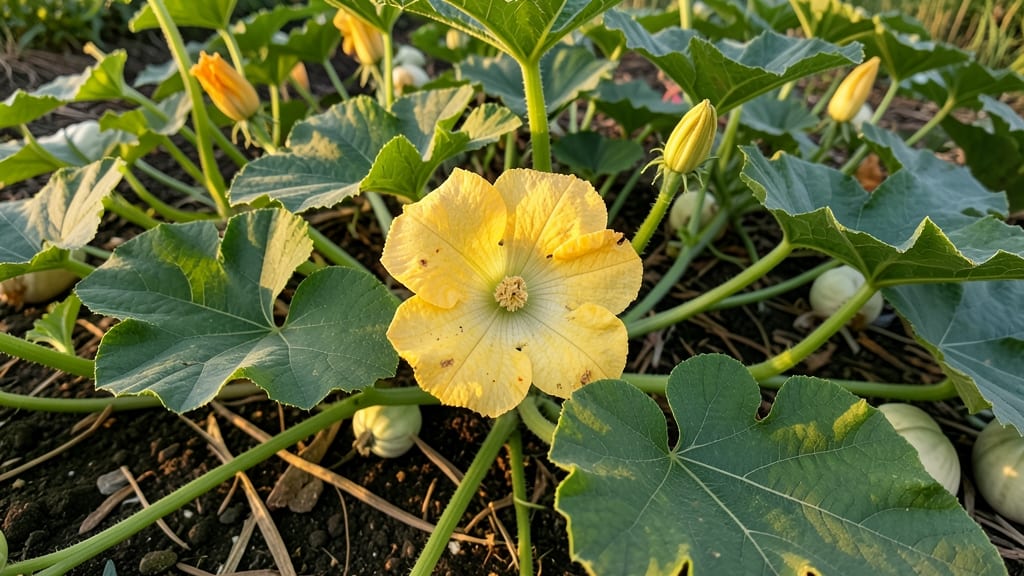
What happens to a female pumpkin flower after successful pollination
When a female pumpkin flower successfully pollinates, its transformation is nothing short of fascinating. Within hours, the flower's ovary begins swelling as it prepares to develop into a fruit. This process is your first visual cue that nature's magic is at work—turning delicate blossoms into the pumpkins you'll soon harvest.
Understanding these changes helps you predict fruit set and optimize your garden's productivity.
The moment pollination occurs, the flower's petals start wilting within 24-48 hours. This isn't a sign of failure—it's the plant's way of redirecting energy from the flower to the developing fruit.
The stem thickens slightly as the ovary grows heavier, and you'll notice the flower's base becoming firmer to support the growing pumpkin. This transition marks the beginning of fruit formation.
| Stage | Visual Cues | Timeframe | What to Do |
|---|---|---|---|
| Pollination | Petals bright yellow, stigma sticky | Day 0 | Observe for bees or hand-pollinate |
| Ovary Swelling | Base thickens, petals begin wilting | 24-48 hours | Remove male flowers if overcrowded |
| Fruit Set | Small bump forms, stem hardens | 3-7 days | Provide support if needed |
| Rapid Growth | Fruit expands quickly, vines strengthen | 7-14 days | Increase watering slightly |
| Maturation | Rind hardens, color deepens | 4-8 weeks | Monitor for pests/diseases |
After successful pollination, the fruit development timeline follows a predictable pattern. Within 3-7 days, you'll see a small bump where the ovary was swelling. This bump will grow rapidly over the next 2 weeks, often doubling in size within just 7 days.
The stem connecting the fruit to the vine becomes noticeably thicker and woody as it supports the growing weight.
One of the most rewarding moments is watching the fruit's color deepen as it matures. Early stages show pale green or white, but as chlorophyll develops, the fruit takes on its characteristic color—whether it's the deep orange of a classic pumpkin or the vibrant green of a zucchini.
This color change typically occurs 4-6 weeks after pollination, signaling the fruit is nearing harvest readiness.
The entire process from pollination to harvest-ready fruit takes 75-120 days, depending on the pumpkin variety. Smaller varieties like sugar pumpkins mature faster (around 75-90 days), while giant varieties may take up to 120 days.
During this time, the plant's energy shifts completely from producing flowers to nourishing the developing fruit, which is why you'll often see fewer new blossoms once fruits are established.
Pay attention to the vine's behavior after pollination—healthy vines will continue growing and producing new flowers, while stressed plants may drop blossoms or fruits. If you notice yellowing leaves or stunted growth, it's time to check your watering schedule or soil nutrients.
Proper care during this stage ensures your pumpkins grow to their full potential.
An interesting detail is how the female flower's remnants remain attached to the developing fruit. The small, dried flower at the stem end is actually the calyx that once held the blossom.
This natural marker helps identify which flowers successfully pollinated, giving you a clear visual guide to track your garden's progress. It's a beautiful reminder of nature's efficiency in the growth cycle.
For gardeners aiming to maximize yields, understanding this process allows you to time interventions effectively. If you notice slow fruit development or dropping blossoms, it may be time to hand-pollinate additional flowers or adjust your care routine.
The key is observing these visual cues and responding promptly to support your pumpkins through each growth stage.
As your pumpkins mature, you'll learn to recognize the subtle differences between healthy fruit development and potential problems. A firm, smooth surface indicates proper growth, while bumpy textures or soft spots may signal issues like blossom end rot or pest damage.
Regular monitoring during this phase helps you catch problems early and maintain a thriving pumpkin patch.
🎃
Signs of failed pollination vs. successful fruit set in pumpkins
Knowing whether your female pumpkin flower has been successfully pollinated can save you from frustration when your vines bloom but no fruit appears. The key differences lie in the flower's behavior and the ovary's transformation after fertilization.
A pollinated flower will show distinct physical changes within 24-48 hours, while an unpollinated one will simply wilt and drop.
First, identify your female pumpkin flowers—they have a small fruit at their base (the ovary) and a bulbous stem. Male flowers have long stems and no ovary. Once you spot these, watch closely for the post-pollination signs that determine your harvest's fate.
Female Pumpkin Flower After Pollination: What to Expect
- Petal wilting within 24-48 hours
- Ovary swells into a small fruit
- Stem thickens and turns woody
- Green fruit appears in 3-5 days
- Petals wilt but no ovary growth
- Flower drops within 48 hours
- No fruit forms at the base
- Stem remains thin and green
💡 Pro Tip: If you see dropped flowers without fruit, try hand-pollination to boost your yield.
If your female pumpkin flower has been pollinated, you’ll notice the petals wilting within a day or two, but the real magic happens at the base. The ovary will begin swelling into a tiny fruit, and the stem will thicken as it prepares to support the growing pumpkin.
This transformation confirms that fertilization has occurred, and you’re on your way to a harvest.
However, if the flower wilts and drops without any ovary development, pollination failed. This often happens due to lack of bees, poor weather, or environmental stress. In such cases, you can take action by hand-pollinating your pumpkins.
Use a small brush or cotton swab to transfer pollen from male flowers to the female stigmas—this mimics what bees would do naturally.
To prevent future issues, check your growing conditions. Pumpkins thrive in full sun and warm temperatures (70°F+). If your garden is too shady or temperatures fluctuate, pollinators like bees may avoid your plants. Additionally, ensure your soil is rich in organic matter and well-draining to support healthy flower production.
If you’re still struggling with poor fruit set, consider planting more male flowers nearby—each male flower produces pollen for multiple females. You can also prune excess male flowers to direct the plant’s energy toward fruit development. With these adjustments, you’ll see a noticeable improvement in your pumpkin harvest.