
Blooming
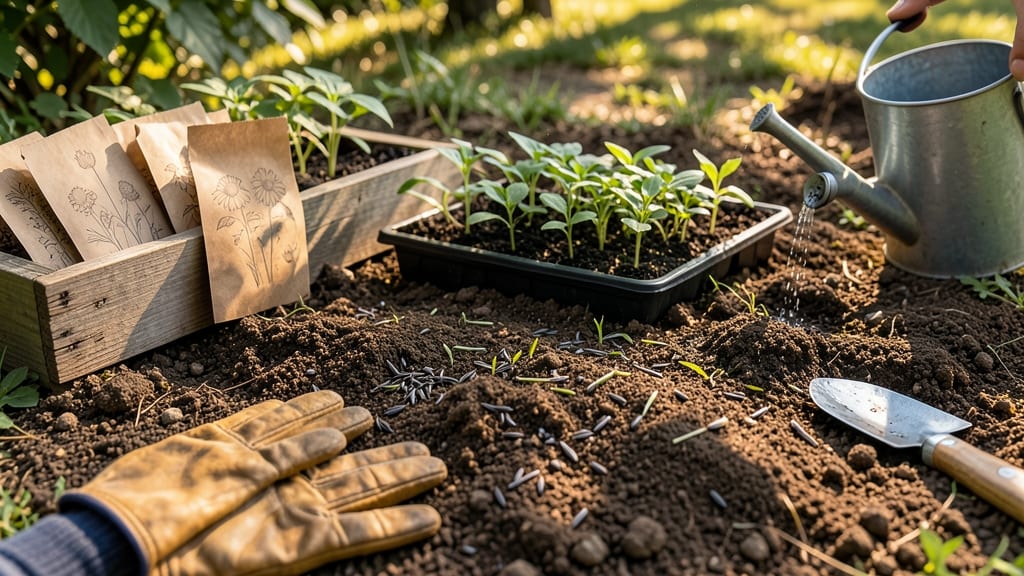
Wildflowers to sprout takes anywhere from 3 days to 6 weeks, depending on the type, soil temperature, and how you prep the seeds.
Picture this: you’ve just scattered your 🌼 seeds in early spring, dreaming of a vibrant meadow by summer. But instead of cheerful blooms, you’re staring at bare soil for weeks.
That’s because some varieties—like cosmos—pop up in just a few days, while others, like lupines, play the slow game. The difference often comes down to seed type and soil conditions.
Annual wildflowers usually sprout faster, often within 7–14 days, while perennials can take 3–4 weeks or longer. Soil temperature is the real game-changer: keep it above 60°F for speedy germination, but too hot or too cold, and you’re stuck waiting.
That’s why planting in March–April or September–October (in Zone 6a) gives you the best balance of warmth and moisture.
In this guide, I’ll break down the exact sprouting timelines for popular wildflowers, share pro tips to speed things up, and tell you when to hold off on replanting. No more guessing—just clear, time-sensitive advice to get your wildflowers blooming on schedule.
Wildflower sprouting times by seed type: fastest to slowest germination
Wildflowers don’t all follow the same timeline when it comes to sprouting—some burst through the soil in as few as 5 days, while others may take 6 weeks or more.
The difference often comes down to whether they’re annuals (fast growers) or perennials (slower starters), plus factors like seed coatings and dormancy requirements. Understanding these timelines helps you plan your garden for continuous color instead of waiting months for blooms.
Annual wildflowers like cosmos and sunflowers are the speed demons of the garden, often sprouting in 5–14 days under ideal conditions. Perennials, however, play the long game—think lupines or black-eyed Susans, which may take 3–6 weeks to emerge.
Even within these categories, seed treatments (like scarification or stratification) can shave weeks off germination time. Let’s break down the exact sprouting windows you can expect for popular varieties.
If you’re planting a mixed wildflower meadow, timing becomes even more critical. Fast growers like cosmos and zinnias will pop up first, creating a temporary canopy that can shade out slower perennials.
To avoid this, consider sowing fast and slow varieties in separate areas or stagger your planting by 2–3 weeks. For example, plant cosmos in early spring, then add lupines or milkweed a few weeks later for a sequential bloom effect.
Some wildflowers, like lupines and milkweed, have hard seed coats that require physical or chemical scarification to break dormancy. Without this step, germination can take up to 60 days or longer.
Others, like black-eyed Susans, may need stratification (a cold period) to mimic natural conditions. Always check the seed packet for specific instructions—it can save you weeks of waiting.
Soil temperature plays a huge role in germination speed. Most wildflowers need soil temps of at least 60°F (15°C) to sprout consistently. If you’re planting in early spring or fall, cold soil can delay germination by 2–4 weeks.
To speed things up, use black plastic mulch or a cold frame to warm the soil before sowing. Conversely, in hot climates, shade cloth can prevent seeds from drying out before they sprout.
Watering also impacts timing—too much moisture can cause seeds to rot, while too little can dry them out. Aim for consistent, even moisture without waterlogging the soil. A light misting every 2–3 days is ideal until seedlings emerge. Once sprouts appear, reduce watering slightly to prevent
How soil temperature and moisture affect wildflower germination speed
Soil temperature is the single biggest factor in wildflower germination speed. Most seeds need soil temps between 60°F and 80°F to sprout efficiently. Below 60°F, enzymatic activity slows down, delaying germination by 1–3 weeks or more.
For example, black-eyed Susans may take 14–21 days in 70°F soil but 30+ days if planted when soil is only 55°F. This is why late spring or early fall planting often yields faster results than early spring.
Moisture plays an equally critical role—too little and seeds dry out before germinating, while too much can suffocate them. Consistent light moisture (like a damp sponge) is ideal, but waterlogged soil triggers rot in 3–5 days.
Drought-tolerant wildflowers like lupines can handle brief dry spells, while cosmos need steady moisture until roots establish. Overwatering is a common mistake that turns promising beds into moldy messes.
Here’s how soil temperature and moisture interact to affect germination windows for common wildflower families:
| Soil Temp Range (°F) | Germination Window | Moisture Needs | Wildflower Families |
|---|---|---|---|
| Below 50°F | 4–8 weeks (delayed) | Keep soil moist | Lupines, poppies |
| 50°F–59°F | 2–4 weeks | Light, consistent water | Coneflowers, black-eyed Susans |
| 60°F–70°F | 7–14 days (ideal) | Damp but not soggy | Cosmos, zinnias, sunflowers |
| 70°F–80°F | 3–10 days (fastest) | Light watering | Marigolds, bachelor’s buttons |
| Above 85°F | 1–3 weeks (risk of dormancy) | Minimal water (drought stress) | Milkweed, goldenrod |
If you’re planting in early spring (before soil warms to 60°F), try covering seeds with black plastic mulch to raise soil temps by 5–10°F and speed up germination. For late summer plantings, use shade cloth to protect seeds from overheating, which can trigger dormancy in 24–48 hours.
Always check soil moisture at the 1-inch depth—if it’s dry, water lightly and repeat every 2–3 days until sprouts appear.
Pro tip: Morning watering (before 10 AM) prevents fungal issues while keeping seeds hydrated. Avoid evening watering—wet foliage at night invites mold, which can kill seedlings in 48 hours. For slow starters like lupines, soak seeds for 24 hours before planting to jumpstart germination by 50%.
Remember, patience is key—even fast germinators like cosmos can take up to 2 weeks in cool soil. Use a seedling heat mat ($20–$30) if you’re eager to see results, especially for high-value varieties like sunflowers.
With the right balance of warmth and moisture, your wildflowers will emerge on schedule, ready to bloom in 6–12 weeks.