
Light Requirements
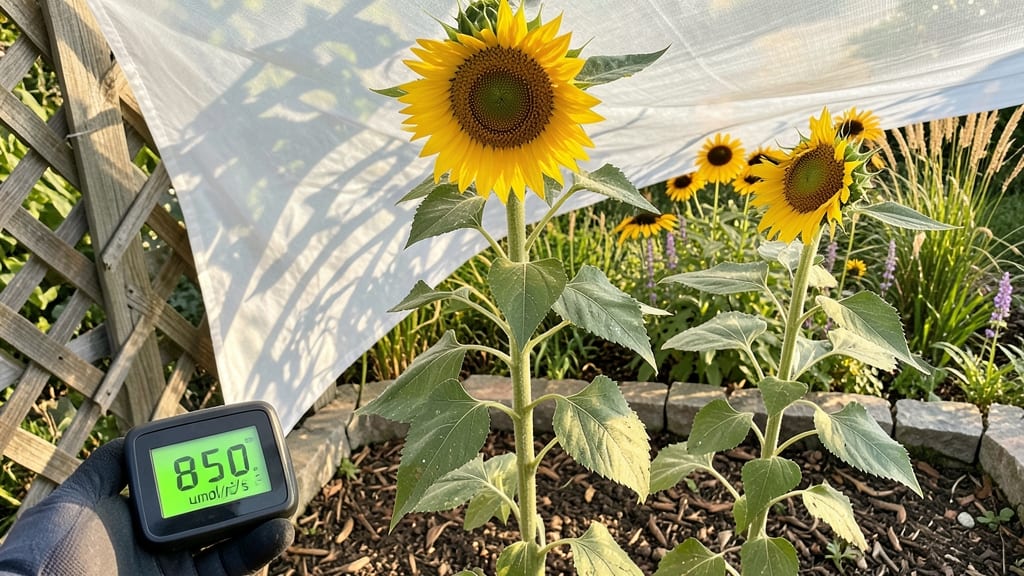
Flowers need sunlight to bloom, but how much varies wildly—from 6 hours of full sun for sunflowers to just 2 hours of dappled shade for delicate impatiens.
Struggling to keep your flowers blooming? Sunlight is the secret ingredient—too little and they wilt, too much and they scorch—but getting it right transforms your garden from lackluster to lush. Here’s how to match your flowers’ sunlight needs to their natural habitat for vibrant, long-lasting blooms.
Most 🌸 flowers thrive in full sun, but shade-loving varieties like hydrangeas or ferns will crisp under harsh afternoon rays. The key is reading your garden’s microclimates: a north wall might get only morning light, while a south-facing border bakes by noon.
Below, I break down the exact light ranges for popular blooms, how to spot stress signals, and simple fixes—like pruning or reflective mulch—to tweak sunlight exposure without moving plants.

Sunlight requirements for popular flowers: full sun vs. partial shade vs. low light
Understanding sunlight requirements for your flowers is the first step to creating a thriving garden. Full sun lovers like sunflowers need 6+ hours of direct light, while shade-tolerant impatiens thrive with just 2-3 hours.
Most flowers fall somewhere in between, and placing them correctly can mean the difference between vibrant blooms and struggling plants.
To determine the right spot, observe your garden throughout the day. Morning sun (before 10 AM) is gentler than afternoon heat, which can scorch leaves. Use a sunlight tracker or simply watch shadows cast by trees or structures—these areas often reveal the perfect partial shade spots for delicate blooms.
Full sun is defined as 6+ hours of direct sunlight, while partial shade means 3-6 hours of filtered or dappled light. Low-light conditions (under 3 hours) suit only the hardiest shade lovers. Matching your flowers to these categories ensures they’ll flourish without stress.
Here’s a quick guide to common sunlight terms:
- Full Sun: 6+ hours of direct light
- Partial Shade: 3-6 hours of light (morning sun + afternoon shade)
- Low Light: Under 3 hours (filtered or indirect light)
| Flower Type | Sunlight Needs | Ideal Conditions | Tolerance Range |
|---|---|---|---|
| Sunflowers | Full Sun | 6-8 hours daily | 6+ hours (wilts in shade) |
| Roses | Full Sun to Partial Shade | 5-6 hours (morning sun best) | 4-8 hours (avoid deep shade) |
| Impatiens | Low Light to Partial Shade | 2-4 hours (dappled light) | Under 3 hours (scorches in sun) |
| Marigolds | Full Sun | 6+ hours (heat-tolerant) | 5-8 hours (may slow in shade) |
| Hosta | Partial Shade to Low Light | 2-4 hours (protect from afternoon sun) | Under 4 hours (leaf burn risk) |
| Lavender | Full Sun | 6-8 hours (drought-tolerant) | 5-7 hours (may flop in shade) |
| Coleus | Partial Shade | 3-5 hours (bright indirect light) | 2-6 hours (avoid harsh sun) |
| Dahlias | Full Sun to Partial Shade | 5-6 hours (afternoon shade in hot climates) | 4-7 hours (may need support in shade) |
For full sun lovers like sunflowers and lavender, position them in open areas where they receive unfiltered sunlight for most of the day. These plants often have thick, waxy leaves to handle intense light, and their blooms will be brighter and more abundant with proper sun exposure.
If you’re working with partial shade plants like roses or coleus, look for spots that get morning sun and afternoon shade. A great example is near a south-facing wall or under a light canopy that filters harsh rays.
These flowers often have lighter-colored leaves or delicate petals that can’t handle prolonged direct light.
Low-light flowers like hostas and impatiens thrive in woodland gardens or under large trees. Their broad leaves or compact growth are adaptations to minimal sunlight. However
How to adjust sunlight exposure for different flower types: tips for shade-loving vs. sun-seeking varieties
Not every flower thrives in the same spot—while sunflowers bask in full sun, delicate bleeding hearts wilt under harsh afternoon rays. The good news? You can tweak your garden’s microclimate to match each plant’s needs without digging up the entire landscape.
Start by observing your garden’s natural light patterns. A north-facing wall might offer only morning sun, while a south-facing border gets intense afternoon heat. By strategically placing plants and using simple adjustments, you can create the perfect balance for every variety.
⚠️ Common Mistake Alert
Overcrowding blocks sunlight for shade-loving plants, while incorrect pruning can expose sun-seeking varieties to too much heat. Always leave 12-18 inches between shade plants and prune sun-lovers to encourage airflow—not density.
For shade-loving flowers, use reflective mulch like white gravel or light-colored stones to bounce extra light onto their leaves. This mimics the dappled shade of a forest understory. Pair them with taller sun-loving plants on the north side to cast gentle shade during peak hours.
Sun-seekers like lavender or roses need 6+ hours of direct sun, but afternoon heat can scorch their leaves. Try seasonal adjustments: move potted plants to a shadier spot in July, then return them to full sun in spring and fall.
For in-ground plants, use lightweight shade cloth (30-50%) during the hottest months.
Pruning is another powerful tool. For sun-loving perennials, cut back leggy growth in early spring to open up the center for better airflow and light penetration. For shade plants, avoid heavy pruning—focus on removing only dead or overcrowded stems to preserve their delicate structure.
Test your adjustments with a sunlight tracker: place a white board near your plants and mark the sun’s path every few hours. This helps you identify hot spots and shady corners so you can fine-tune placements.
With these tweaks, even tricky spots can become thriving havens for the right flowers.