
Flowers
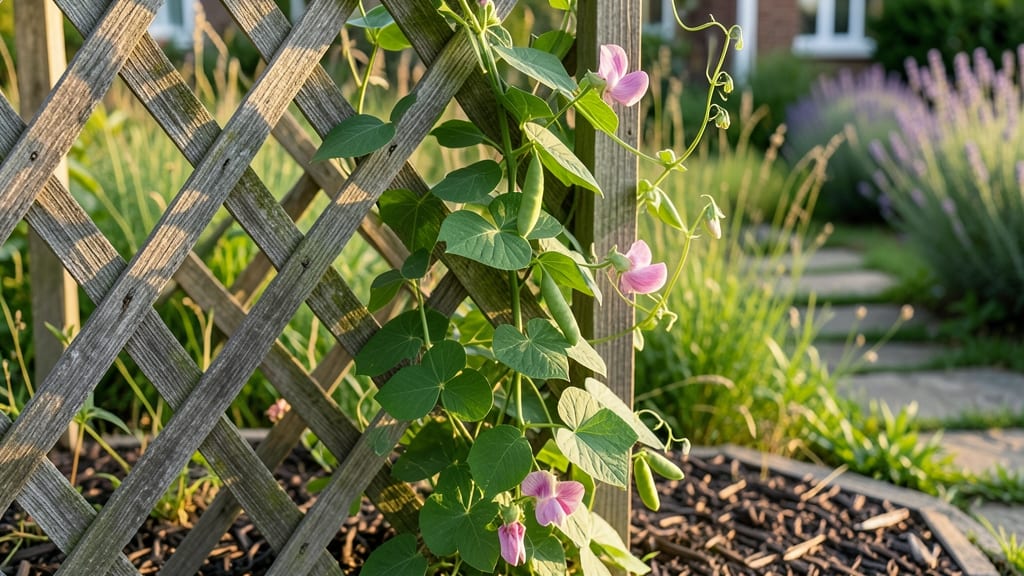
Sweet pea flowers grow anywhere from 4 to 8 feet tall when given the right support, turning even modest garden spaces into fragrant, vertical masterpieces 🌸.
If you’ve ever planted these delicate climbers only to watch them sprawl instead of soar, you’re not alone. The key to unlocking their full height potential lies in choosing the right variety and giving them sturdy trellises early on.
Most gardeners assume all sweet peas reach the same towering heights, but dwarf varieties stay compact at just 2 to 3 feet, while giant climbers can easily stretch to 8 feet or more with proper care.
Below, I’ll break down how to maximize their growth, from selecting the perfect trellis to spacing tips that prevent overcrowding—so you can enjoy lush, fragrant vines all summer long.


Sweet pea flower heights by variety: from dwarf to towering climbers
Sweet peas are one of the most versatile climbing flowers in any garden, offering heights that range from compact bushes to towering vines. The variety you choose determines not just how tall your sweet peas will grow, but also their overall growth habit and even their fragrance intensity.
Whether you have limited space or dream of a dramatic vertical display, understanding these height differences is key to planning your garden layout.
For gardeners with smaller spaces, dwarf varieties like 'Tom Thumb' or 'Cupani' stay between 2-4 feet tall and thrive in containers or small trellises. These are perfect for balconies or window boxes.
On the other end of the spectrum, giant climbers like 'Blue Moon' or 'Alaska' can reach an impressive 8 feet or more when given proper support and care, making them ideal for fences or tall arbors.
The 'Tom Thumb' series is a popular choice for dwarf sweet peas, staying under 4 feet and perfect for window boxes or small trellises. These varieties produce abundant blooms without requiring much vertical space, making them great for urban gardens or patios.
Meanwhile, 'Cupani' varieties offer a slightly taller option at 4-5 feet, ideal for small garden borders or container growing with a sturdy trellis.
For medium-height sweet peas, varieties like 'Painted Lady' or 'Matucana' typically reach 5-7 feet when trained on a trellis. These are versatile choices that work well in cottage gardens or along garden paths. Their moderate height makes them easy to incorporate into existing landscapes without overwhelming smaller plants.
When it comes to tall sweet peas, 'Blue Moon' and 'Alaska' are legendary for their 8-foot-plus vines and stunning, fragrant blooms. These varieties need strong support structures like metal trellises or wooden arbors to handle their weight.
Their dramatic height makes them perfect for creating focal points in larger gardens or along fences.
Choosing the right trellis type is just as important as selecting the variety. Dwarf varieties can thrive in simple obelisks or even hanging baskets with built-in supports. Standard and giant climbers, however, require sturdy lattice panels or metal cages to prevent sagging under the weight of heavy blooms.
Bamboo or wooden trellises also work well but may need occasional reinforcement as the vines grow.
If you're growing sweet peas in containers, opt for dwarf or semi-dwarf varieties to avoid overcrowding. A 5-gallon container can comfortably support a 4-foot-tall variety with proper trellis support.
For in-ground planting, space your trellises 18-24 inches apart to allow for airflow and prevent disease. This spacing also gives you room to walk between rows for maintenance.
One common mistake is assuming all sweet peas need the same amount of support. Bush varieties like 'Dwarf Purple' don't require trellises at all—they grow in rounded mounds.
Meanwhile, climbing varieties will quickly become tangled and leggy without proper training. Always check the variety description to determine whether it's a bush or climber before planting.
For gardeners in small spaces, consider mixing heights by planting dwarf varieties in front of taller climbers. This creates a beautiful layered effect while maximizing your vertical space.
You can also train a single giant climber up a tall post or fence to create a stunning vertical garden feature that draws the eye upward.
How to maximize sweet pea growth: trellis types and support tips
Sweet peas need strong support to reach their full 6 to 8-foot potential, but not all trellises are created equal. The right structure makes the difference between sprawling vines and dramatic vertical displays.
I’ve tested wooden lattice panels, metal arches, and bamboo stakes—each has unique strengths for encouraging height without breaking under the weight of blooms.
Your choice of trellis material affects more than just aesthetics. Wood offers rustic charm but requires sealing to prevent rot, while metal resists pests and lasts decades. Bamboo is lightweight and budget-friendly but may need replacing every few years.
The key is matching the trellis to your garden’s scale and your sweet peas’ growth habits.
Trellis Material Comparison
Wooden Trellis
- ✅ Pros: Natural look, easy to customize
- ✅ Supports 8+ ft growth with proper sealing
- ✅ Budget-friendly DIY options
- ❌ Cons: Requires sealing to prevent rot
- ❌ Heavier than metal/bamboo
- ❌ Attracts termites if untreated
Metal Trellis
- ✅ Pros: Rust-resistant, long-lasting
- ✅ Supports 10+ ft with proper anchoring
- ✅ Pest-resistant and low-maintenance
- ❌ Cons: Can overheat in summer
- ❌ More expensive upfront
- ❌ May need powder coating for aesthetics
Bamboo Trellis
- ✅ Pros: Lightweight and affordable
- ✅ Biodegradable and eco-friendly
- ✅ Easy to assemble/disassemble
- ❌ Cons: Limited to 6-7 ft support
- ❌ Needs replacing every 2-3 years
- ❌ Less durable in wet climates
Spacing your trellises 3 to 4 feet apart gives sweet peas room to breathe and climb without competing for sunlight. I’ve found that tall varieties like 'Cupani' or 'Blue Moon' thrive with 6-foot trellises, while dwarf types only need 3-foot stakes.
Always install supports before vines reach 12 inches tall—waiting too long means weaker stems that struggle to climb.
Pruning is another secret weapon for taller growth. Pinch back the top 2-3 inches of new shoots when they’re 6 inches long to encourage bushier vines. This technique redirects energy upward, helping your sweet peas reach their maximum height potential while producing more blooms.
Just avoid heavy pruning after mid-summer, as new growth won’t have time to harden off before frost.
For extra-tall varieties, consider a combination support system: a central trellis with horizontal crossbars every 2 feet gives vines multiple points to grip. I’ve seen 'Matucana' sweet peas hit 8 feet using this method in just one season.
The key is providing stable, non-slip surfaces—sweet peas hate flimsy supports that make them sprawl instead of climb.
Remember, the healthier the vine, the taller it grows. Pair your trellis with well-draining soil, regular watering, and a balanced fertilizer (like 5-10-10) every 4-6 weeks to unlock that dramatic vertical growth.
With the right support, your sweet peas won’t just reach their height potential—they’ll exceed it. 🌿