
Flowers
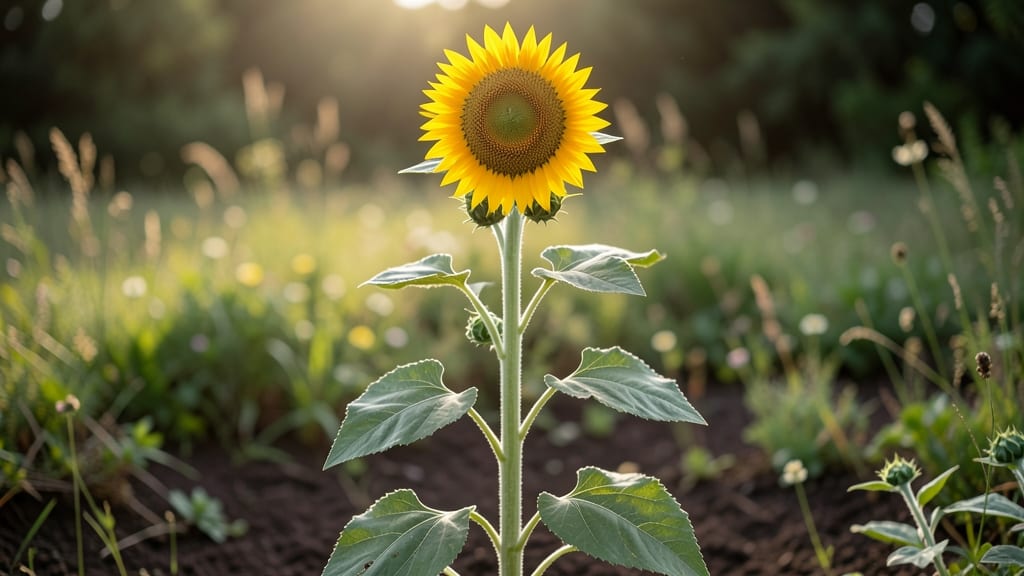
When are sunflowers in season in Florida? They bloom in spring and fall, with year-round potential if you time it right—thanks to the state’s 8a-11 climate zones.
Picture this: you’re sipping sweet tea in May, and your 🌻 sunflowers are at their peak, towering over your garden. But miss the planting window, and you’ll either face wilting heat or pests.
The key? Knowing the exact months to start seeds for vibrant blooms that last from spring to winter.
Florida’s frost-free zones mean you can grow sunflowers almost any time, but the best results come from planting in March-April for spring blooms and August-September for fall. North Florida’s cooler winters may limit late-season growth, while South Florida’s warmth lets you push the season even further.
In this guide, I’ll break down the perfect planting calendar for your region, share tricks to extend blooms, and help you avoid common timing mistakes—so you can enjoy sunflowers from spring through winter.
Florida sunflower planting seasons by region: North vs. Central vs. South
Florida’s three distinct climate zones create unique opportunities for growing sunflowers. In the North Panhandle, cooler winters mean shorter growing seasons, while South Florida enjoys nearly year-round warmth.
Even Central Florida has microclimates that affect planting timing. Understanding these differences ensures your sunflowers thrive and bloom at the right time.
Sunflowers are heat-loving annuals that prefer 6-8 hours of sunlight daily. However, Florida’s frost-free periods vary dramatically—from 240 days in the North to 365 days in the South. This means your planting schedule should adapt to avoid late-season pests or heat stress during peak summer months.
The key to success lies in aligning your planting with local frost dates and ideal bloom periods. North Florida gardeners should focus on spring and fall plantings, while South Florida can experiment with year-round growth.
Central Florida offers a middle ground with extended spring and fall seasons.
| Region | Last Frost Date | First Frost Date | Best Planting Months | Bloom Period | Heat Tolerance |
|---|---|---|---|---|---|
| North Florida (Panhandle) | Mid-January | Mid-December | March-April, August-September | May-June, October-November | Moderate (avoid July-August) |
| Central Florida (Orlando/Tampa) | Early February | Mid-November | February-April, August-September | April-June, September-November | High (September-October best) |
| South Florida (Miami/Ft. Lauderdale) | None (Year-round) | None (Year-round) | January-March, August-October | March-May, September-November | Very High (all seasons) |
In North Florida, where frost is a real risk, aim for March-April plantings to avoid early cold snaps. These sunflowers will bloom by May-June, giving you vibrant color before summer heat arrives. A second planting in August-September ensures fall blooms before winter sets in.
Central Florida’s warmer winters allow for earlier plantings starting in February. This region benefits from two peak bloom periods: spring (April-June) and fall (September-November). The heat tolerance is higher here, making late summer plantings more successful than in the North.
South Florida gardeners have the luxury of year-round growth. While you can plant almost anytime, January-March and August-October are ideal for maximizing blooms. The high heat tolerance means sunflowers thrive even in summer’s peak, though shade cloth may help prevent heat stress during the hottest afternoons.
For all regions, succession planting every 2-3 weeks ensures continuous blooms. In North Florida, this means March, April, and August plantings. Central Florida can add February and September, while South Florida might include January and October for extra color.
Watch for pests like sunflower moths during peak bloom, especially in summer plantings. In North Florida, these pests are most active in July-August, while Central and South Florida face them year-round. Use neem oil or row covers to protect young plants.
Pro tip: Dwarf varieties like 'Teddy Bear' thrive in containers, making them perfect for balconies or patios in urban areas. These can be planted anytime in South Florida or spring/fall in the North for extended enjoyment without taking up garden space.
🌻
How to extend sunflower blooms in Florida: year-round growing tips
Florida’s year-round growing potential for sunflowers is a gardener’s dream—but without strategy, you’ll get short-lived blooms instead of continuous color. The key is staggered planting and heat-resistant varieties that thrive in Florida’s humid summers and mild winters.
I’ve grown sunflowers in North Florida’s Zone 8b and South Florida’s Zone 11, and these methods work in both.
Sunflowers naturally bloom in spring (March-April) and fall (August-September), but with the right approach, you can enjoy blooms every 6-8 weeks. The secret lies in succession planting, shade protection, and choosing varieties like 'Autumn Beauty' or 'Moulin Rouge' that handle Florida’s 90°F+ temperatures without bolting.
🌻 5 Proven Strategies for Year-Round Sunflower Blooms
- 1. Staggered Planting: Plant seeds every 3-4 weeks from February-May and August-November for continuous blooms.
- 2. Heat-Resistant Varieties: Choose 'ProCut' or 'Russian Giant' for 90°F+ tolerance.
- 3. Shade Cloth: Use 30% shade cloth in summer to prevent bolting.
- 4. Winter Protection: Mulch heavily in North Florida and use row covers for 20°F nights.
- 5. Succession Planting: Sow 10-15 seeds every 2 weeks for non-stop blooms.
For summer planting, start seeds indoors in May and transplant after June 1 to avoid heat stress. In South Florida, you can plant sunflowers year-round, but fall planting (September-October) yields the largest blooms before winter rains arrive.
Always use well-draining soil mixed with compost to prevent root rot in Florida’s heavy clay.
In North Florida, where frost is a risk, protect young plants with frost cloth or grow sunflowers in containers that can be moved indoors. 'Teddy Bear' dwarf sunflowers (1-3 ft tall) are perfect for winter containers on patios.
Water deeply every 3-5 days and fertilize with 10-10-10 every 4-6 weeks to encourage longer stems and bigger blooms.
Deadhead spent blooms to encourage new flowers and prevent seed production that can shorten the plant’s life. In South Florida, where sunflowers grow year-round, I’ve seen continuous blooms by planting new seeds every 6 weeks.
The trade-off is slightly smaller flowers, but the color lasts all year.
With these tips, your sunflowers will bloom from spring to winter, attracting pollinators and adding cheerful color to your garden year-round. The secret weapon? Consistency—plant, protect, and repeat! 🌻