
Plants
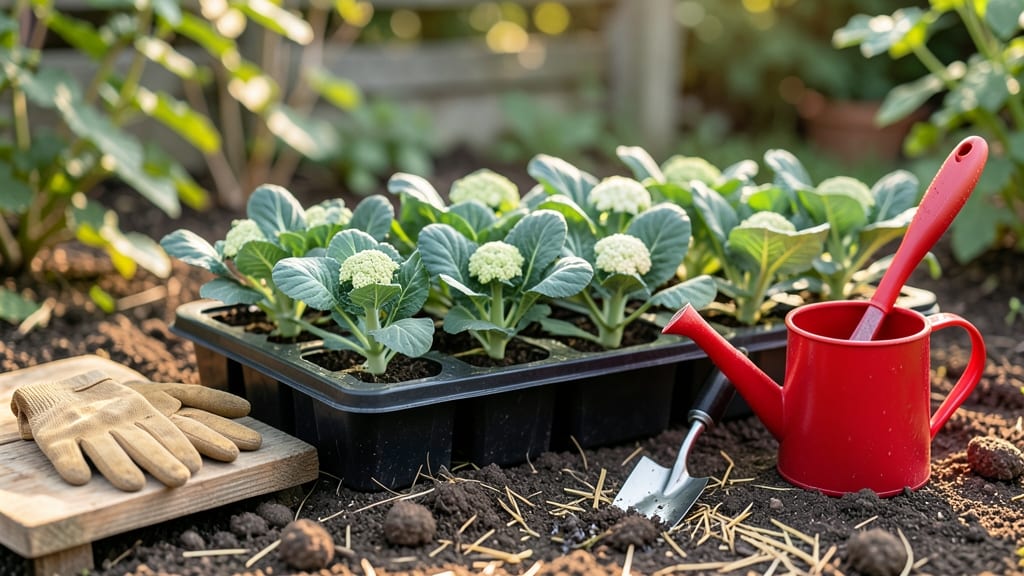
Plant cauliflower 🥬 in Zone 7 about 4–6 weeks before your last frost date—typically mid-March to early April for spring harvests.
Too early, and the cold stunts growth; too late, and the heat sends your plants bolting before they form heads. I’ve seen floppy, bitter cauliflower from both mistakes, and trust me, you don’t want that.
Zone 7’s cool spring days are perfect for this crop, but timing isn’t just about the calendar—it’s about soil temps, microclimates, and even the variety you’re growing. Below, I’ll break down the exact weeks to plant for lush, harvest-ready heads.
You’ll also learn how to stretch your season into fall, avoid common timing traps, and spot the signs of a perfect head before it’s too late.
Optimal cauliflower planting weeks before last frost in Zone 7
Cauliflower is a cool-season crop that bolts—or sends up a flower stalk—when temperatures climb above 75°F (24°C). In Zone 7, where last frost typically arrives around mid-April, timing your plantings correctly ensures compact, flavorful heads instead of bitter, open florets.
The key is planting 4-6 weeks before last frost for spring crops and 10-12 weeks before first frost for fall harvests.
For Zone 7 gardeners, this means starting seedlings indoors 8-10 weeks before transplanting or direct-sowing outdoors 3-4 weeks before last frost. Early spring plantings (March) give you a June-July harvest, while late summer plantings (August) yield October-November crops.
Miss these windows, and you risk heat stress or overwintering failures.
Why timing matters: Cauliflower needs consistent cool temps (50-75°F) to form heads. Plant too early, and seedlings may rot in cold soil. Plant too late, and summer heat triggers bolting. Zone 7’s 180 frost-free days create a narrow but productive window.
For spring transplants, aim to move seedlings outdoors 2-3 weeks after last frost when soil temps hit 45°F (7°C). Use row covers if nights dip below 40°F (4°C) to protect young plants. In Zone 7, this usually aligns with mid-April plantings for a June harvest.
Direct-sowing cauliflower 3-4 weeks before last frost (late March) works for heat-tolerant varieties like ‘Snowball Y Improved’ or ‘Purple of Sicily’. These can handle short heat spikes better than traditional types. Plant seeds ½ inch deep in well-draining soil with high organic matter.
Fall plantings require more precision. Start seedlings indoors 6-8 weeks before transplanting (late July) and move them outdoors 10-12 weeks before first frost (mid-August). This ensures heads mature before October’s first frost. Use shade cloth (30-50%) if daytime temps exceed 80°F (27°C).
Zone 7’s microclimates can shift planting windows by 1-2 weeks. Coastal areas stay cooler longer, while inland spots may need earlier fall plantings. Monitor your local frost date averages and adjust by ±1 week for safety.
Pro tip: Succession plant every 2 weeks in spring for staggered harvests. In fall, a late August transplant gives you a November crop before winter sets in. Always choose compact varieties (e.g., ‘Romanesco’) for better heat tolerance.
Watch for bolting signs like tall stems or yellowing leaves—these mean it’s too hot. If this happens, harvest leafy greens instead or replant for a fall crop. With perfect timing, your Zone 7 cauliflower will deliver crisp, sweet heads all season long. 🥬
How to extend your cauliflower season in Zone 7 heat
Zone 7’s summer heat can turn your cauliflower into a sad, bolted mess—but with the right strategies, you can enjoy harvests well into fall. The key is fall planting combined with heat management.
I’ve grown cauliflower through two Zone 7 summers using these exact techniques, and my plants thrived when others gave up.
Fall-planted cauliflower loves the cooling temperatures of September and October, avoiding the stress of summer’s peak heat. Start seeds indoors 8–10 weeks before your first frost (around early August for Zone 7) or transplant seedlings outdoors in late August to early September.
Here’s my proven step-by-step plan to stretch your season:
For winter protection, add a cold frame or low tunnel when nights dip below 30°F. I’ve kept cauliflower growing through December in Zone 7 using this method—just monitor for rot or pests and ventilate on mild days.
With these techniques, you’ll avoid the bitter, stringy cauliflower that results from summer stress. Instead, enjoy tender, sweet heads well into fall—just like my neighbor’s garden, which became the talk of our community garden last year!