
Plants
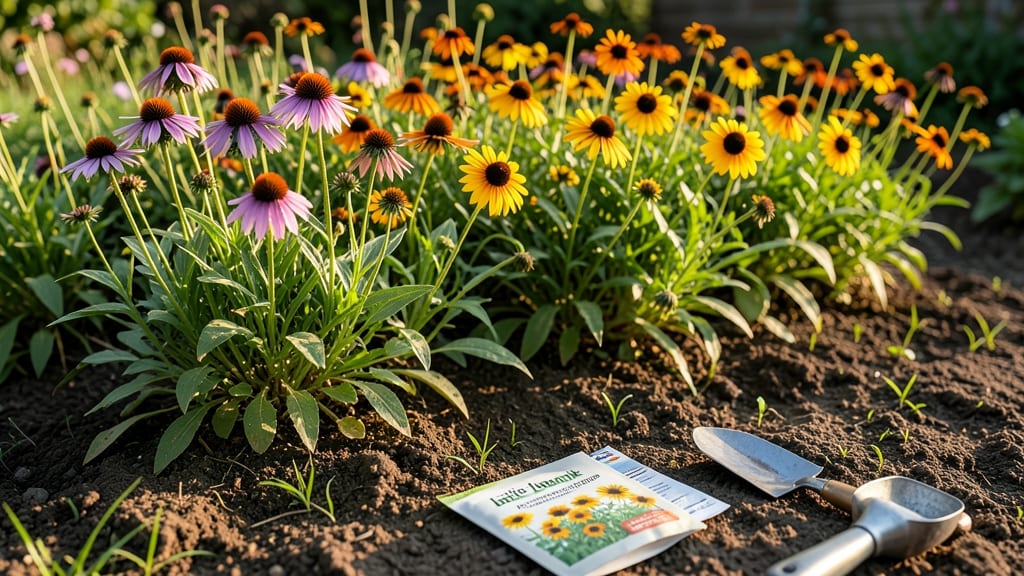
Planting wildflower seeds in Iowa between early spring and late summer 🌼 can transform your yard into a pollinator paradise—if you time it right.
Miss the frost-free window, and you’ll end up with seedlings that bolt in the heat or fail to establish before the first freeze. In Zone 4b-5a, that means a tight March-to-August range where every week matters.
This guide breaks down the best months for planting—whether you’re sowing in spring for summer blooms or fall for next year’s meadow—plus how to prep soil and adjust for Iowa’s unpredictable weather.
By the end, you’ll know exactly when to scatter seeds for low-maintenance wildflowers that thrive in your climate, from Black-Eyed Susans to Purple Coneflowers.
Iowa’s frost-free deadlines for planting wildflower seeds (Zone 4b-5a)
Timing your wildflower planting in Iowa’s Zone 4b-5a climate is critical—get it wrong, and you risk weak germination or lost seeds. The average last frost date across Iowa ranges from mid-April in southern regions to late April in northern areas.
However, microclimates near lakes or urban zones can push these dates by 1-2 weeks. Always check the USDA Plant Hardiness Zone Map and local weather reports to fine-tune your schedule.
Iowa’s unpredictable weather demands flexibility. While most gardeners aim for spring planting after the last frost, fall planting (late summer to early October) works for hardy wildflower species like Black-Eyed Susan and Purple Coneflower.
Fall-sown seeds establish roots before winter, giving them a head start in spring. For delicate annuals, like Cosmos or Zinnias, wait until soil temperatures reach 50°F (10°C) to avoid frost damage.
Use this summary table to pinpoint your planting window based on seed type and Iowa’s regional variations:
For spring planting, aim to sow seeds 2–4 weeks before Iowa’s last frost date. Use a seedling heat mat if early sowing is necessary, but avoid planting too soon—cold, wet soil can cause rot.
In Zone 5a regions (southern Iowa), you might start as early as late March, while Zone 4b areas (north) should wait until mid-April.
Fall planting offers advantages, especially for perennial wildflowers. Seeds sown in late summer (August–September) germinate slowly, establishing roots before winter. This method reduces spring competition and often yields stronger plants. However, avoid planting after mid-October, as seeds may not have time to root before frost.
Adjust your schedule if Iowa’s weather defies averages. Check the National Weather Service’s 7-day forecasts and use historical frost data from the Midwestern Regional Climate Center. For example, if unseasonably warm weather occurs in March, you might plant annuals like marigolds earlier.
Conversely, a late frost in May could delay planting by 1–2 weeks.
Preparing your site is just as critical as timing. Clear existing vegetation, loosen compacted soil (especially in clay-heavy areas), and rake to create a fine seedbed. For larger areas, use a broadcast spreader to distribute seeds evenly.
Lightly cover seeds with 1/4 inch of soil or mulch—this protects them from drying out and predators like birds.
After planting, maintain consistent moisture for the first 4–6 weeks. Wildflower seeds need light to stay moist but not waterlogged. Use a soaker hose or drip irrigation to avoid disturbing the soil. Once established, most wildflowers require minimal watering, making them perfect for Iowa’s drought-prone summers.
Monitor your meadow for germination signs, which typically appear in 7–21 days for spring plantings and 10–30 days for fall-sown seeds. Thin seedlings if overcrowded, leaving 6–12 inches between mature plants. In Zone 4b, protect young sprouts with frost cloth if late frosts threaten.
By following these frost-free deadlines and adjusting for Iowa’s microclimates, you’ll create a thriving wildflower meadow that blooms reliably for years. Start small with a 10x10-foot patch, experiment with seed mixes, and watch your pollinator friends—butterflies, bees, and hummingbirds—thrive in your new habitat! 🌼
Best wildflower seed varieties for Iowa’s climate and soil types
Iowa’s Zone 4b-5a climate and clay-heavy soils create perfect conditions for native wildflowers that thrive with minimal fuss. The right varieties will not only survive Iowa’s hot summers and cold winters but also attract pollinators like butterflies and bees.
My top picks include Black-Eyed Susan, Purple Coneflower, and Butterfly Weed, all of which are drought-tolerant and perfect for low-maintenance meadows.
These wildflowers also adapt well to Iowa’s alkaline soils (pH 7.0-8.0) and variable moisture levels. For example, Wild Bergamot thrives in wetter areas, while Prairie Blazing Star handles drier spots. Planting a mix ensures year-round color and supports local ecosystems.
When selecting seeds, prioritize native varieties over non-native ones. They require less water, fewer fertilizers, and resist local pests better. For instance, Partridge Pea blooms in late summer when other flowers fade, extending your meadow’s beauty.
Pros & Cons of Planting Wildflower Seeds in Iowa
Pros
- Low maintenance – No need for frequent watering or fertilizing.
- Supports pollinators – Attracts bees, butterflies, and hummingbirds.
- Drought-tolerant – Thrives in Iowa’s summer heat with minimal care.
- Native adaptability – Grows well in clay-heavy soils without amendments.
Cons
- Slow germination – Some seeds take 2-3 weeks to sprout.
- Competition risk – Weeds may outcompete seedlings if not controlled early.
- Seasonal timing – Missed planting window can reduce first-year blooms.
- Limited height control – Some varieties grow 3-6 feet tall and may need trimming.
For a pollinator-friendly meadow, mix seeds with varying bloom times. Start with early bloomers like Pasque Flower (March-April) and add late-season favorites like Goldenrod (August-September). This ensures continuous nectar for butterflies and bees throughout the growing season.
If your soil is particularly clay-heavy, amend it with compost or sand before planting. This improves drainage and helps roots establish faster. Avoid over-tilling, as wildflowers prefer undisturbed soil. Once planted, water lightly but consistently for the first 4-6 weeks to encourage root growth.
My favorite Iowa-adapted mix includes:
- Black-Eyed Susan (golden blooms, June-August)
- Purple Coneflower (drought-resistant, July-September)
- Butterfly Weed (orange flowers, July-October)
- Wild Bergamot (fragrant, June-September)