
Flowers
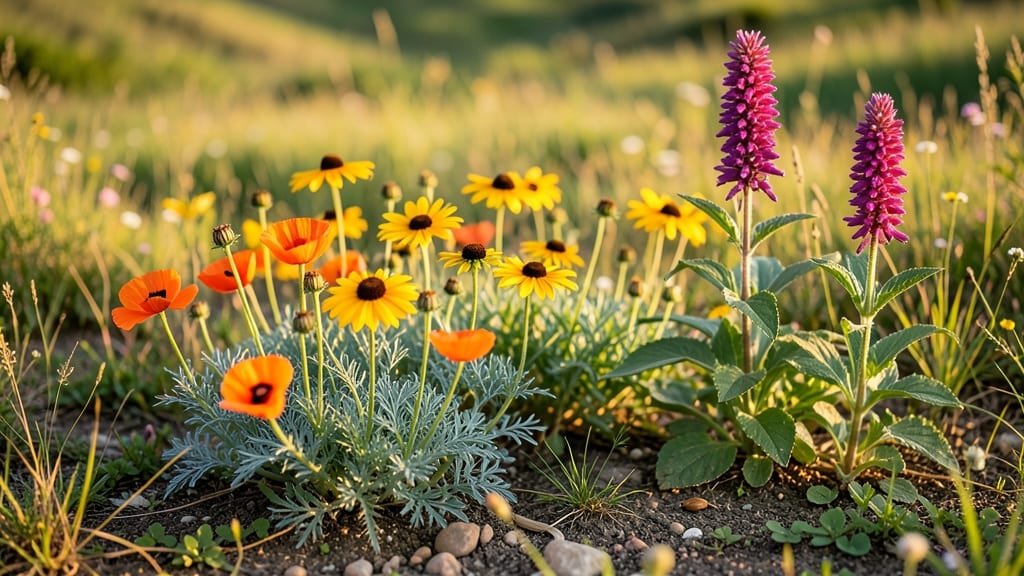
Wildflowers can be either annuals or perennials, depending on the species, and knowing the difference is the key to planning a garden that blooms year after year.
Picture this: you plant a wildflower meadow in spring, only to watch it fade by summer. Or worse, you invest in seeds that promise four seasons of color—but they never return.
The truth is, wildflowers don’t fit neatly into one category. Some, like cosmos 🌼, complete their life cycle in a single season, while others, like black-eyed Susans, come back stronger every year.
Understanding whether a wildflower is an annual or perennial helps you choose the right mix for your space. Annuals deliver quick bursts of color, perfect for filling gaps or creating instant impact.
Perennials, on the other hand, reward patience with long-term beauty and lower maintenance. Even biennials, like foxgloves, play a role by blooming in their second year.
In this guide, I’ll break down the life cycles, share practical examples, and show you how to combine both types for a garden that stays vibrant from spring to fall—no guesswork required.
Wildflower life cycles explained: annuals vs. perennials vs. biennials
Understanding whether wildflowers are annuals or perennials is the first step to creating a thriving garden. The difference isn't just about how long they live—it shapes your entire planting strategy. Annuals complete their entire life cycle in one growing season, while perennials return year after year.
Then there are biennials, which take two years to bloom and set seed. Each type serves a unique purpose in your garden ecosystem.
Let’s start with the most common question: Are wildflowers annuals or perennials? The answer is both! Many popular wildflowers fall into each category, and some gardens benefit from a mix of both.
For example, cosmos and marigolds are classic annuals that provide instant color, while black-eyed Susans and cone flowers are hardy perennials that thrive for decades with minimal care.
Annual wildflowers are the quick wins of the garden world. They germinate fast, bloom rapidly, and create immediate impact—perfect for filling empty spaces or creating a wildflower meadow in just one season.
However, their lifespan is short-lived, so you’ll need to replant them each year. This makes them ideal for cutting gardens or areas where you want to change up the look annually.
Perennial wildflowers, on the other hand, are the workhorses of the garden. Once established, they spread, multiply, and return year after year with minimal effort. They’re perfect for low-maintenance gardens or wildflower meadows that you want to enjoy for decades.
Many perennials also develop deep root systems, making them drought-tolerant once mature.
Biennials often get overlooked, but they offer a unique advantage: two-year blooms. In their first year, they focus on growing leaves and roots, storing energy for a spectacular flower display in their second year.
Foxglove is a classic example—its tall spikes of bell-shaped flowers are a pollinator magnet. If you’re patient, biennials can add a seasonal surprise to your garden.
Choosing the right mix depends on your garden goals. For example, if you want a wildflower meadow that blooms from spring to fall, combine fast-growing annuals like cosmos with long-lived perennials like coneflowers. This strategy ensures you have color year-round without the hassle of replanting annuals every season.
One common mistake is assuming all wildflowers are perennials. In reality, many popular wildflowers—like sunflowers and zinnias—are annuals. If you’re planting a wildflower mix, always check the seed packet to understand what you’re getting. Some blends are specifically designed to include both annuals and perennials for continuous blooms.
Another tip: Perennials often need patience to establish. In their first year, they may look sparse, but by year two or three, they’ll fill in beautifully. Annuals, however, deliver instant gratification—ideal if you want to see results quickly.
For example, cosmos seeds sown in early spring can bloom by summer, while black-eyed Susans might take until their second year to reach their full potential.
To maximize your wildflower garden, consider layering these life cycles. Plant annuals in the front for quick color, perennials in the middle for structure, and biennials in the back for seasonal interest. This approach creates depth and ensures your garden stays vibrant from spring through fall.
Remember, the key to a successful wildflower garden lies in understanding these life cycles. Whether you’re a beginner or a seasoned gardener, knowing whether your wildflowers are annuals or perennials will help you plan for long-term success with minimal effort. Happy gardening! 🌼
How to choose wildflowers based on your garden goals
Your garden goals will determine whether you should prioritize annual wildflowers for quick color or perennial wildflowers for long-term beauty. If you're creating a wildflower meadow, a mix of both can give you the best of both worlds—immediate impact with lasting rewards.
Start by asking yourself what you want from your space: instant blooms, low-maintenance beauty, or seasonal variety.
For example, if you're filling a new garden bed or need fast results, annual wildflowers like cosmos or zinnias are perfect. They germinate quickly and bloom within weeks, giving you vibrant color in the first season.
On the other hand, if you're planting a wildflower meadow that should thrive for years, perennial varieties like black-eyed Susans or coneflowers are ideal—they establish roots and return stronger each year.
Climate considerations also play a huge role. In cooler regions, some annuals may not survive the winter, while hardy perennials can withstand frost. Conversely, in hot climates, drought-tolerant perennials like lavender or blanket flower will outperform many annuals that require constant watering.
Wildflower Lifespan Guide by Garden Goal
- 🌱 Quick Blooms
- Best for: Filling gaps, instant color
- Examples: Cosmos, zinnias, sunflowers
- Planting time: Spring or summer
- Lifespan: One growing season
- 🌿 Long-Term Beauty
- Best for: Low-maintenance meadows, pollinator gardens
- Examples: Coneflowers, black-eyed Susans, bee balm
- Planting time: Early spring or fall
- Lifespan: 3+ years (some up to 5+)
- 🌸 Seasonal Variety
- Best for: Extended blooms, layered meadows
- Examples: Foxgloves (biennial), hollyhocks, sweet William
- Planting time: Spring or fall (depends on type)
- Lifespan: 2 years (biennials) or multi-year
If you're unsure where to start, consider mixed wildflower seed packets that combine annuals and perennials. These blends are designed to give you color from the first year while establishing perennials for future seasons.
For instance, a mix with annual sunflowers and perennial coneflowers will give you tall, cheerful blooms in year one and a self-sustaining meadow in years two and three.
Another smart strategy is to plant annuals in the front of your garden bed and perennials in the back. This creates a layered look while ensuring taller perennials don’t overshadow your quick-blooming annuals.
For example, pair dwarf sunflowers (annual) with Russian sage (perennial) for a mix of heights and textures.
Don’t forget to consider biennial wildflowers like foxgloves or hollyhocks for added interest. These plants focus on leaf growth in their first year and bloom spectacularly in their second year, giving you a unique seasonal surprise. They’re perfect for adding drama to your garden without the commitment of full perennials.
Ultimately, the best wildflower mix depends on your local climate, sun exposure, and maintenance preferences. Test small areas first, observe what thrives, and adjust your selections each year.
With the right balance of annuals, perennials, and biennials, your garden will stay vibrant and full of life for seasons to come. 🌼