
Planting
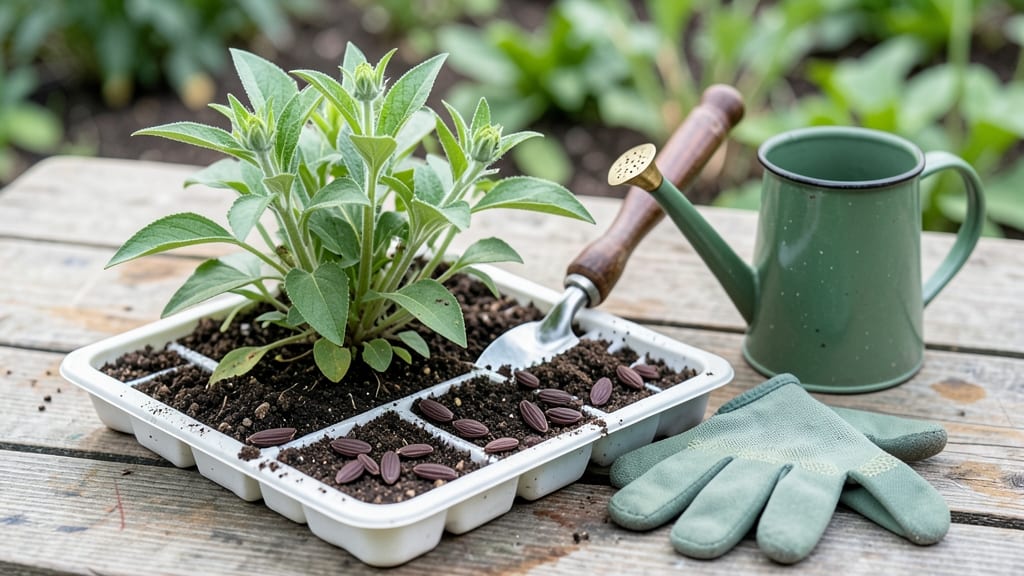
Plant blanket flower seeds after your last frost date when soil temperatures hit at least 70°F—this heat-loving 🌼 thrives when the ground is warm, not when it’s still chilly.
Blanket flowers (Gaillardia) burst into vibrant blooms all summer—but planting them too early can leave your seeds frozen in the ground. Learn the exact frost-free deadlines by USDA zone to ensure your heat-loving varieties thrive from seed.
In Zone 6a, where frost lingers until mid-April, wait until late May or early June to sow seeds directly. Warmer zones like 7-10 can start as early as April, but the key is soil—not air—temperature.
Below, I’ll break down the best planting windows by zone, soil prep tips, and how to time it for maximum blooms—so you’re not left with half-baked seedlings when summer arrives.
Blanket flower seed planting deadlines by USDA hardiness zone
Blanket flowers (Gaillardia) thrive in warm weather and full sun, but their seeds need precise timing to avoid frost damage. Planting too early in Zones 3-7 risks freezing seeds, while Zones 8-11 offer longer windows.
Each zone has a frost-free deadline—the last safe day to sow seeds before temperatures drop below 50°F (10°C). Missing this window means waiting until next spring, delaying those vibrant summer blooms you love.
For direct sowing, aim for soil temperatures above 60°F (15°C)—a critical threshold for germination. In cooler zones, start seeds indoors 6-8 weeks before your last frost date.
In warmer zones, you can sow directly into the garden as early as March, but always check your local frost dates first. The key is balancing heat-loving seeds with frost risks—a tricky dance for gardeners!
🌱 Pro Tip: Use a soil thermometer to confirm temperatures before planting. Blanket flower seeds won’t sprout in cold soil, no matter how eager you are to see those red-and-yellow blooms!
| USDA Zone | Last Frost Date (Avg.) | Direct Sow Deadline | Soil Temp Threshold | Indoor Start (If Needed) |
|---|---|---|---|---|
| Zones 3-4 | May 15 | June 1 - June 15 | 65°F+ (18°C+) | April 1 (6-8 weeks before) |
| Zones 5-6 | April 30 | May 15 - May 30 | 60°F+ (15°C+) | March 15 (optional) |
| Zones 7-8 | March 15 | April 15 - April 30 | 55°F+ (13°C+) | Not needed |
| Zones 9-10 | January 15 | February 15 - March 15 | 50°F+ (10°C+) | Not needed |
| Zone 11 | None (tropical) | Year-round (avoid frost) | 50°F+ (10°C+) | Not needed |
🌡️ Note: Deadlines are approximate—always verify with your local frost dates!
In Zones 3-4, where frosts linger into June, direct sowing isn’t possible until early summer. Start seeds indoors in April under grow lights to give them a head start. By the time soil warms to 65°F (18°C), your seedlings will be hardy enough to transplant outdoors.
This two-step process is your best bet for cold climates—skipping it risks frost damage or slow, weak growth.
For Zones 5-6, you have a slightly wider window—plant seeds outdoors by May 15 if soil is warm enough. But don’t rush! Cool, wet soil can cause seeds to rot before germinating.
Test soil temps with a thermometer—if it’s below 60°F (15°C), wait a few more days. Patience here means stronger, healthier plants later.
Gardeners in Zones 7-8 can start as early as April, but late frosts are still possible. Monitor weather forecasts and plant after April 15 to avoid surprises.
These zones benefit from early sowing because blanket flowers love heat—the sooner they establish roots, the more blooms you’ll see by summer’s peak.
In Zones 9-11, you’re in luck—no frost risks mean you can sow seeds year-round. However, summer heat can dry out soil quickly, so water deeply after planting.
For longest blooms, aim for February-March plantings. The tropical climate lets you experiment with succession planting—sow new seeds every 4-6 weeks for continuous color from spring to fall.
One common mistake is planting blanket flower seeds too early in hopes of a head start. Cold soil (below 50°F/10°C) will stall germination or cause seed rot. Always check soil temps—this simple step saves time and prevents wasted seeds.
If you’re unsure, err on the side of waiting—your blanket flowers will thank you with bold, long-lasting blooms.
🌻 Remember: Blanket flowers are drought-tolerant once established, but
How to time blanket flower planting for maximum blooms
Blanket flowers (Gaillardia) thrive when planted at the right time—too early and frost will kill tender seeds, too late and you’ll miss peak blooms. The key is waiting for soil temperatures above 60°F (15°C) and consistent warmth to ensure strong germination and robust growth.
Most gardeners focus only on frost dates, but soil temperature is equally critical. Blanket flowers are heat-loving annuals that struggle in cold, damp soil. Even after your last frost date, if the ground stays chilly, seeds may rot before sprouting.
- Wait until soil reaches 60°F+—use a soil thermometer for accuracy. Cold soil delays germination by weeks.
- Plant after your last frost date (check your USDA zone’s average). Zone 3-4: late May; Zone 5-7: mid-May; Zone 8+: April.
- Aim for full moon to waxing gibbous phases for stronger root development—moon phases influence seedling vigor.
- Sow seeds ¼ inch deep in well-draining soil. Over-deep planting causes weak, leggy seedlings.
- Thin seedlings to 12 inches apart once they’re 2-3 inches tall. Crowding reduces airflow and increases disease risk.
Once your blanket flowers sprout, they’ll need consistent moisture but avoid soggy soil—these plants hate "wet feet." Water deeply at the base once a week (more in extreme heat) and mulch around plants to retain moisture and suppress weeds.
For maximum blooms, deadhead faded flowers regularly. This redirects the plant’s energy into producing new buds instead of setting seed. A little pruning after the first flush of blooms also encourages bushier, more vigorous growth.
If you’re in a warmer climate (Zones 8-11), you can even plant blanket flower seeds in early spring (March) or fall (September-October) for a staggered bloom time. Just ensure soil temps stay above 60°F.
Timing your blanket flower planting right means fewer struggles and more vibrant, long-lasting blooms from summer through fall. With these tips, you’ll have a garden bursting with color—no guesswork required! 🌼