
Watering
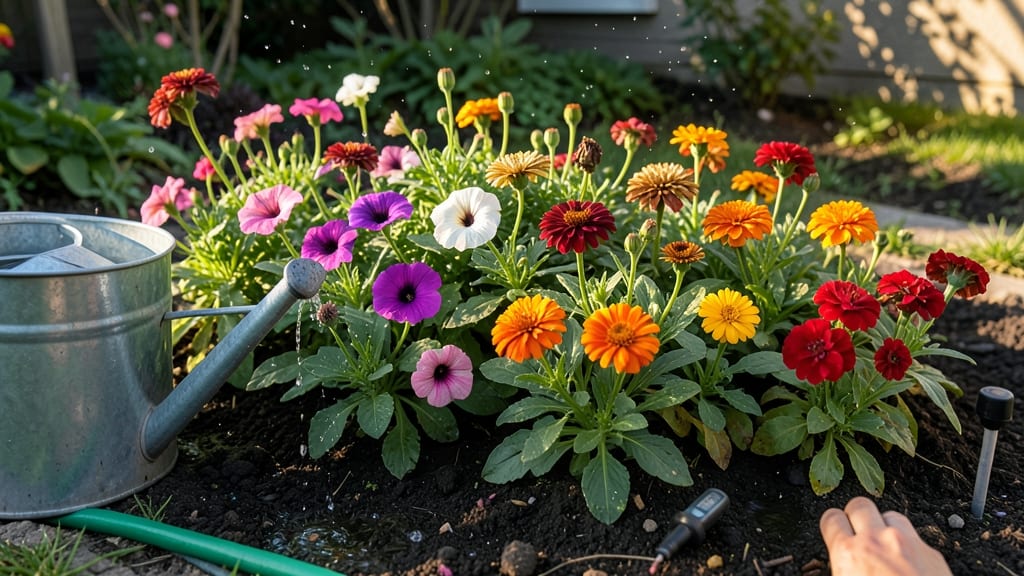
Knowing how often to water flowers outside keeps them vibrant and thriving 🌸 — but most gardeners either drown their roots or leave them parched.
Struggling to keep your outdoor flowers thriving? Overwatering or underwatering can both kill your plants—so knowing the exact watering schedule based on soil type is the secret to a lush, long-lasting garden.
Clay soil holds moisture like a sponge, while sandy soil drains faster than a sieve. Even the same flowers need different care depending on where they’re planted, and seasonal shifts change everything from spring to summer.
Below, I break down the perfect watering routine for your soil type, the best times to water, and how to spot when your flowers are screaming for help—so you can finally grow a garden that stays perfectly hydrated all season long.
Watering frequency by soil type: the definitive guide for outdoor flowers
Your outdoor flowers aren’t just picky about sunlight—they’re obsessed with soil moisture. The same watering schedule that works for sandy soil can drown plants in clay soil, while loamy soil strikes the perfect balance. Understanding your soil type is the first step to perfect hydration without guesswork.
Soil types dramatically change how often you should water. Sandy soil drains like a sieve, requiring frequent watering, while clay soil holds moisture like a sponge, risking root rot if overwatered. Even loamy soil—the gardener’s gold standard—needs adjustments based on seasonal heat or rain.
Let’s break down the exact watering schedule for each type, plus how to tweak it for summer’s scorching days and winter’s chill.
For sandy soil, think of your flowers like a thirsty traveler—they need frequent sips to stay hydrated. Watering every 1-2 days in spring and daily in summer keeps roots moist without drowning them.
The key? Deep watering (1-2 inches) encourages roots to grow downward, making plants more drought-resistant over time.
If your garden has clay soil, you’re dealing with a moisture hoarder. This soil type can suffocate roots if overwatered, so space out waterings to every 3-4 days in spring and every third day in summer.
Always aim for 2-3 inches of water to penetrate the dense layers. Pro tip: Amend clay soil with compost or sand to improve drainage before planting.
Loamy soil is the dream for most gardeners—it balances moisture retention and drainage perfectly. Here, you can follow a 2-3 day schedule in spring and every other day in summer. The 1.5-2 inch depth is ideal, and loamy soil rarely needs adjustments unless you’re in an extreme climate. This is where mulching shines—it locks in moisture and keeps roots cool.
Seasonal shifts demand major adjustments to your watering routine. In summer’s heat, even loamy soil can dry out faster, so increase frequency by 30-50%. For winter, reduce watering to every 7-10 days (or bi-weekly) unless you’re in a frost-free zone.
Always check soil moisture 1 inch below the surface—if it’s dry, it’s time to water.
New to gardening? Start with a soil test kit (they’re cheap and save time). If you’re unsure
Signs your flowers need water (and when to adjust your schedule)
Your flowers might be thirsty—or drowning—without you realizing it. Wilting leaves or yellowing petals are classic signs, but subtle clues like soil pulling away from pot edges or mushy stems reveal hidden problems.
I’ve learned the hard way that adjusting your watering schedule based on these cues can mean the difference between a thriving garden and a sad, wilted mess.
First, check the soil moisture by sticking your finger 1–2 inches deep. If it feels dry, your flowers need water immediately. But if it’s still damp, you’re likely overwatering. Overwatering is just as deadly as underwatering—it starves roots of oxygen and invites fungal diseases like powdery mildew.
Next, observe the leaves and stems. Drooping petals that perk up after watering signal thirst, while yellow leaves or blackened stems scream "too much water!" I once lost my entire marigold bed because I ignored these signs—don’t make my mistake.
Seasonal changes also shift your watering needs. In summer heat, flowers may need daily watering, while spring and fall often require just every 2–3 days. Even the same plant behaves differently in clay soil (holds moisture longer) versus sandy soil (dries out fast).
⚠️ When to Water Outdoor Flowers
✅ DO Water When:
- Soil is dry 1–2" deep
- Leaves wilt by midday
- Flowers droop but perk up after water
- Summer heat (daily checks needed)
- Sandy soil (dries out fastest)
❌ DON'T Water When:
- Soil is still damp (overwatering risk)
- Leaves turn yellow or feel mushy
- Stems rot at the base
- Evening hours (encourages fungus)
- Winter dormancy (reduce to bi-weekly)
Pro Tip: Use a moisture meter or stick your finger in the soil—your eyes can trick you!
Adjust your schedule by testing soil moisture every few days. If your flowers consistently show signs of thirst by mid-morning, increase frequency. Conversely, if you notice moldy soil or sluggish growth, cut back. Mulching helps retain moisture in sandy soil while preventing overwatering in clay.
Remember, consistency is key. Flowers thrive on routine—whether that’s daily deep watering in summer or weekly checks in cooler months. Pay attention, and your garden will thank you with blooms that last all season.