
Flowers
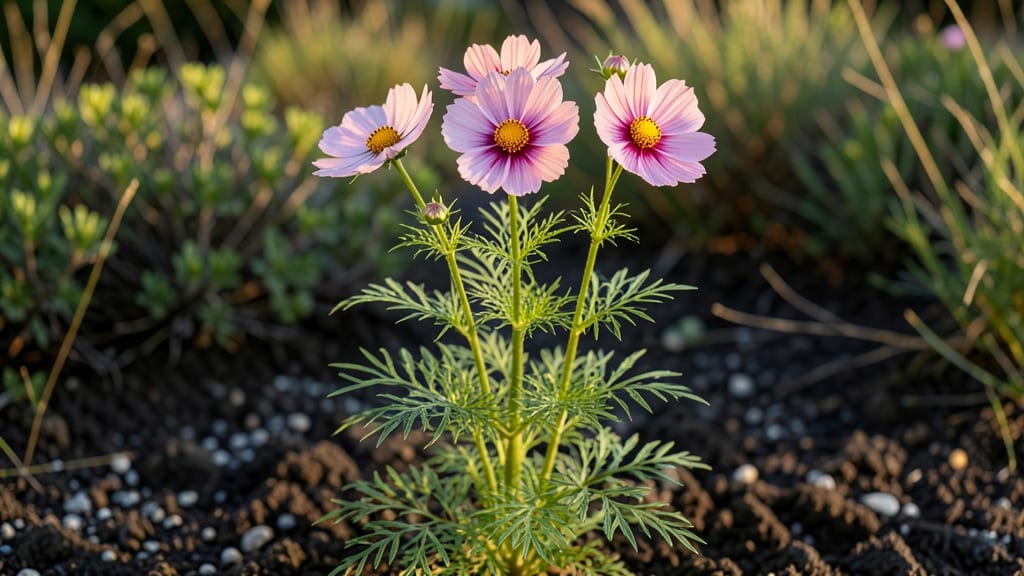
The cosmos flower height can vary anywhere from 1 to 6 feet, depending on the variety and growing conditions—a range that lets you use them as delicate fillers or bold garden stars.
Struggling to visualize how tall your cosmos will grow? The right variety can mean the difference between a delicate border plant and a towering focal point in your garden.
Whether you're planning a cottage-style bed or a modern container arrangement, knowing these heights upfront saves you from overcrowding or underwhelming displays.
Some cosmos, like the compact 'Sensation' series, stay under 2 feet and thrive in small spaces, while others, such as 'Bright Lights', can reach 5 feet or more with proper care. The difference often comes down to sunlight, soil, and a little pruning know-how.
In this guide, I’ll break down the height expectations for popular varieties, share tips to control or encourage growth, and troubleshoot why your cosmos might be staying short — so you can plan with confidence and enjoy blooms that fit your vision.

Cosmos flower height by variety: a complete growth chart
Choosing the right cosmos variety is key to creating the perfect garden display. These delicate blooms can range from dwarf varieties perfect for borders to tall cultivars that dominate as focal points. Understanding each variety’s mature height helps you plan spacing, support needs, and companion plants for a cohesive look.
Most cosmos grow 2-6 feet tall, but some dwarf types stay under 2 feet, while tall varieties can reach 6 feet or more. The difference often comes down to genetics—some are bred for compact growth, while others prioritize height.
Let’s explore the most popular cosmos types and their expected heights to help you make the best selection for your garden.
| Variety | Common Height Range | Best For | Notes |
|---|---|---|---|
| Cosmos bipinnatus 'Sensation Mixed' | 3-5 feet | Cut flowers, borders | Classic tall variety with long stems for bouquets |
| Cosmos bipinnatus 'Bright Lights' | 2-4 feet | Containers, borders | Colorful foliage adds visual interest |
| Cosmos bipinnatus 'Sonata Series' | 1.5-3 feet | Small gardens, containers | Dwarf variety with prolonged blooming |
| Cosmos bipinnatus 'Double Click' | 3-5 feet | Cut flowers, focal points | Double blooms add texture to arrangements |
| Cosmos sulphureus 'Bright Sulphur' | 4-6 feet | Back of borders, tall beds | Heat-loving with bright yellow blooms |
| Cosmos atrosanguineus 'Chocolate Cosmos' | 2-3 feet | Unique foliage displays | Dark stems and deep red blooms |
| Cosmos bipinnatus 'Purity White' | 3-5 feet | Wedding gardens, cut flowers | Pure white blooms for elegant displays |
| Cosmos bipinnatus 'Seashells' | 1-2 feet | Front of borders, containers | Compact with delicate pastel blooms |
If you’re working with limited space, dwarf varieties like 'Seashells' or 'Sonata Series' are perfect for containers or front-of-border planting. These stay under 2 feet tall while still producing abundant blooms.
For tall garden beds or cut flower arrangements, varieties like 'Sensation Mixed' or 'Bright Sulphur' will reach 4-6 feet, creating dramatic vertical interest.
Pro tip: Staking may be needed for varieties over 4 feet tall, especially in windy areas. Use soft garden ties or bamboo stakes to support stems without damaging the delicate stems.
This is particularly important for cut flower varieties like 'Double Click', where strong stems are essential for long-lasting bouquets.
For small gardens or urban containers, consider mixing dwarf cosmos with taller annuals like sunflowers or cleome. This creates a layered look without overwhelming your space. The height contrast between 1-foot cosmos and 6-foot sunflowers adds depth and visual appeal to any garden design.
Remember that sunlight exposure can influence height slightly. Cosmos grown in full sun tend to reach their maximum potential height, while those in partial shade may stay slightly shorter. However, they’ll still bloom profusely, making them a low-maintenance choice for almost any garden condition.
When planning your cosmos garden, sketch out your garden layout and mark where each variety will thrive. Place tall cosmos at the back of borders or near fences, while dwarf types shine in containers or along walkways.
This thoughtful arrangement ensures every plant has room to grow while creating a cohesive, eye-catching display.
Ready to bring cosmos into your garden? Start with a mix of heights and colors—your garden will thank you with months of effortless blooms! Whether you choose <
How to control cosmos height for small gardens or containers
If your cosmos flowers are reaching for the sky when you need them to stay compact, don’t worry—there are simple ways to manage their height without sacrificing those stunning blooms.
Whether you’re working with a small garden or container planting, the right techniques can transform your cosmos from a towering giant into a well-behaved beauty. Let’s explore how to tailor their growth to fit your space perfectly.
First, choose a dwarf variety like ‘Sensation’ cosmos, which typically stays between 1-2 feet tall. These varieties are bred specifically for controlled growth, making them ideal for borders, window boxes, or small pots.
Pairing the right variety with proper pruning techniques and spacing guidelines will give you the best results for height management.
- Select dwarf cosmos varieties (e.g., ‘Purity’ or ‘Bright Lights’) for 1-2 ft height in containers.
- Space plants 8-12 inches apart in small gardens to prevent overcrowding and encourage bushier growth.
- Pinch back top growth when plants reach 6 inches tall to promote branching and compact stature.
- Use support stakes or cage structures to guide taller varieties (e.g., ‘Seashells’) upward in small spaces.
- Plant companion plants like basil or marigolds to naturally suppress overgrowth and add structure.
For container gardening, opt for smaller pots (at least 12 inches deep) to restrict root growth naturally. Cosmos thrive in well-draining soil, so mix in perlite or compost to keep them from becoming leggy.
When planting in containers, avoid overcrowding—stick to one plant per 6-inch pot for dwarf varieties to maintain their intended height.
Pruning is your best friend for controlling height. Once your cosmos reach 6 inches tall, use clean pruning shears to snip the top set of leaves. This encourages the plant to branch out, creating a fuller, shorter bush.
Repeat this process every 4-6 weeks during the growing season to keep the height in check. Deadheading spent blooms also prevents the plant from putting energy into seed production, redirecting it to more flowers instead.
If you’re dealing with a tall cosmos variety like ‘Cosmos bipinnatus’, which can grow up to 6 feet tall, consider using trellises or stakes to guide their growth vertically. This not only saves space but also adds a dramatic focal point to your garden.
Pair taller cosmos with low-growing companions like snapdragons or petunias to create a layered look without overwhelming your small garden.
Finally, don’t underestimate the power of companion planting. Surrounding your cosmos with fast-growing herbs like basil or dill can help suppress weeds and limit the cosmos’ spread. These plants also attract beneficial insects, which can improve overall plant health and encourage more robust (but controlled) growth.
With these techniques, your cosmos will stay exactly where you want them—whether that’s a compact container or a neat garden border. 🌸