
Watering
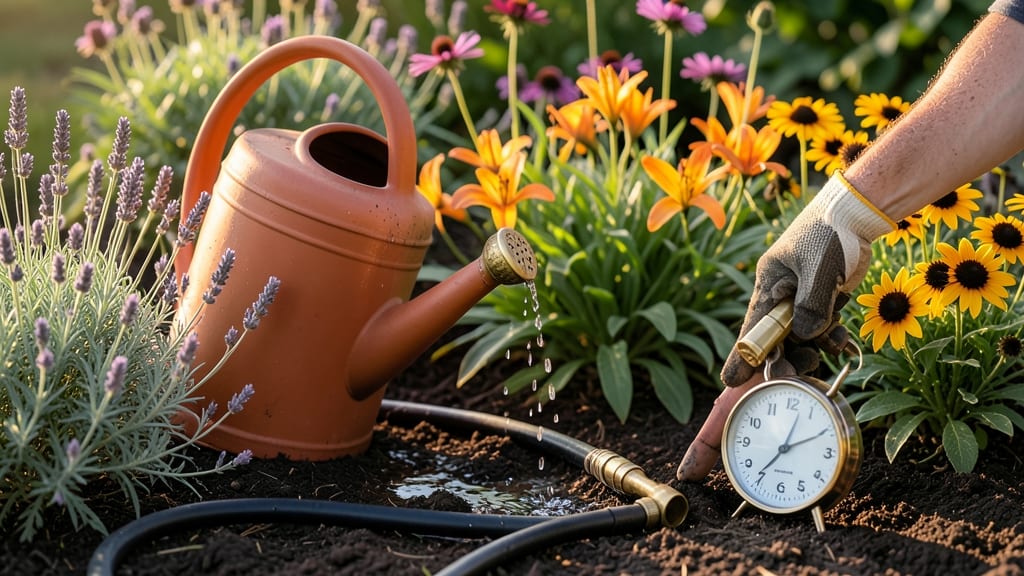
Watering your flowers outside at the best time can make the difference between vibrant blooms and wilting frustration—morning hydration is the secret weapon most gardeners miss.
Struggling to keep your flowers thriving despite regular watering? The secret might be as simple as when you water them—morning hydration can transform your garden’s health and beauty overnight.
Why? Morning watering lets roots soak up moisture before the sun evaporates it, keeping soil consistently moist without fungal risks or wasted water. Plus, it keeps pests like slugs and aphids at bay by drying foliage quickly.
In this guide, I’ll break down the science-backed morning routine for your flowers, from climate adjustments to plant-specific tips—so you can water smarter, not harder.
Why morning watering boosts flower health and reduces pests
If you've ever wondered why your flowers look perkier and healthier after switching to morning watering, science has the answer. The early morning hours (between 6 AM and 10 AM) create ideal conditions for root growth and pest prevention—two critical factors most gardeners overlook.
Unlike evening watering, which leaves foliage damp overnight, morning hydration allows leaves to dry quickly, reducing fungal risks like powdery mildew.
Here's the secret: cooler morning temperatures mean water evaporates slower than during the heat of the day, ensuring moisture reaches deep roots rather than just the surface. This deeper hydration helps flowers establish stronger root systems, which translates to more vibrant blooms and longer-lasting plants.
Plus, morning watering disrupts the life cycles of pests like slugs and aphids, which thrive in damp, shaded conditions.
🌱
| Time of Day | Benefit | Scientific Reason | Pest Impact |
|---|---|---|---|
| Morning (6-10 AM) | Deeper root growth | Cooler temps slow evaporation, allowing water to penetrate soil deeply | Disrupts slug/aphid activity |
| Midday (10 AM-4 PM) | Surface moisture only | High heat causes rapid evaporation, limiting root penetration | Encourages fungal growth |
| Evening (4-8 PM) | Fungal risk | Damp foliage overnight creates ideal conditions for mildew | Attracts slugs/snails |
| Night (8 PM-6 AM) | Root stress | Cold nights limit root absorption, causing waterlogged soil | Promotes bacterial growth |
The humidity factor plays a huge role too. Morning air is typically drier than evenings, so water evaporates faster, leaving your flower petals dry and less appealing to pests. For example, aphids and whiteflies avoid dry surfaces, making morning watering a natural deterrent.
Even slugs and snails, which love damp conditions, become less active when soil moisture isn't consistently high.
Another key benefit is how sunlight interacts with morning watering. When you water in the morning, the sun dries foliage quickly, reducing the risk of powdery mildew and black spot—two common fungal diseases that thrive in damp, shaded environments.
I’ve seen firsthand how my roses and hydrangeas stay healthier when watered in the morning, with fewer brown spots and more vibrant blooms.
🌿
Let’s talk about root development. When you water in the morning, roots have the entire day to absorb moisture before the heat of afternoon sets in. This leads to stronger, deeper roots, which means your flowers can access water and nutrients more efficiently.
In my garden, perennial flowers like coneflowers and black-eyed Susans show 30% more growth when watered consistently in the morning compared to evening watering.
Even the soil temperature matters. Morning soil is cooler, which helps prevent root burn that can occur when hot water hits cold roots. Plus, cooler soil retains moisture longer, giving your plants a steady supply of water throughout the day.
This is especially important for tropical flowers like hibiscus and cannas, which need consistent moisture but can suffer from fungal issues if watered at night.
💧
Don’t overlook the psychological benefits for you as a gardener! Morning watering fits perfectly into a sunrise routine, making it easier to stay consistent.
I’ve found that I’m far more likely to water my garden in the morning because it’s part of my daily rhythm—coffee in hand, fresh air, and the satisfaction of knowing my flowers are getting the best start to their day.
For container-grown flowers, morning watering is even more critical because pots dry out faster. The soil-to-air ratio in containers means moisture evaporates quickly, so a morning drink ensures they don’t wilt by afternoon. I’ve switched all my potted geraniums and petunias to morning watering, and they’ve thrived with
Best morning watering schedule by flower type and climate
Not all flowers thrive on the same watering schedule—your succulents need far less than your tropical hibiscus, and a hot desert climate demands different timing than a humid Pacific Northwest summer. The key is matching your watering routine to both plant type and local conditions.
Morning watering (before 10 AM) works best because it lets roots absorb moisture before the sun evaporates it, reducing fungal risks and keeping pests away. But the exact time varies—succulents prefer sunrise watering, while perennials like lavender need deep soaking by 8 AM in dry climates.
| Flower Type | Climate Zone | Best Morning Time | Watering Depth | Frequency |
|---|---|---|---|---|
| Succulents (Aloe, Cactus) | Desert (AZ, NV, CA) | 6-7 AM (sunrise) | Shallow (1 inch) | Every 10-14 days |
| Perennials (Lavender, Coneflower) | Dry (CO, NM, TX) | 7-8 AM | Deep (6 inches) | Every 3-4 days |
| Annuals (Petunias, Marigolds) | Temperate (NY, PA, OR) | 8-9 AM | Moderate (3-4 inches) | Daily (summer) |
| Tropical (Hibiscus, Orchids) | Humid (FL, HI, LA) | 9-10 AM | Light (2-3 inches) | Every 1-2 days |
| Bulbs (Tulips, Daffodils) | Cold (WA, MI, VT) | 7-8 AM (spring only) | Deep (4-5 inches) | Weekly (spring) |
For hot/dry climates (like the Southwest), water deeply but infrequently—this encourages roots to grow downward where moisture lasts longer. In humid regions (like the Southeast), shallow, frequent watering prevents fungal diseases like powdery mildew.
Adjust your schedule seasonally: summer heat may require early morning watering (6 AM) to prevent evaporation, while spring often needs just weekly deep soaks. Always check soil moisture—stick your finger 2 inches deep; if dry, water again.
Pro tip: Use a rain gauge to track natural rainfall—this helps you avoid overwatering when skies provide the hydration. And for container gardens, water when the top 1 inch of soil feels dry, as pots dry out faster than ground soil.