
Plants
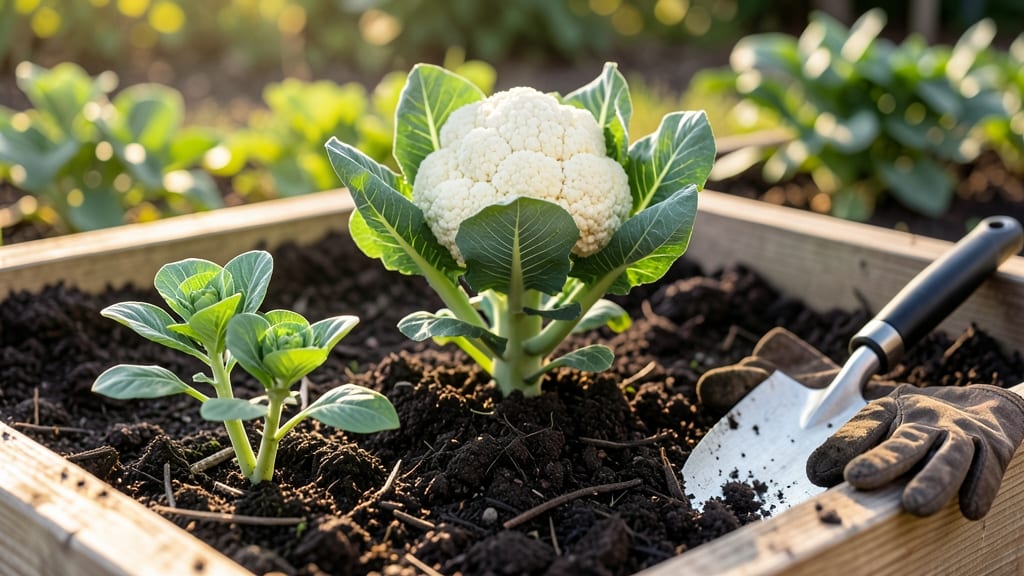
Planting cauliflower in Florida at the right time means the difference between a bountiful harvest and wilted disappointment—especially when heat and humidity can send plants bolting too fast.
Florida’s long growing season and humid climate make cauliflower a tricky but rewarding crop—if you plant at the right time. Skip the guesswork and learn the exact months, heat-tolerant varieties, and soil secrets to harvest crisp, flavorful heads before summer’s relentless heat takes over.
Most gardeners in USDA zones 9a-11 should focus on fall planting between September and October, when temperatures dip just enough to slow bolting. Winter plantings in January-February also work, but timing is critical—too early, and frost threatens; too late, and the heat arrives before harvest.
Below, I’ll break down the best planting windows by Florida region, the top heat-tolerant varieties that thrive here, and pro tips to extend your cauliflower’s growing season—so you can enjoy homegrown 🥬 long after most gardeners have given up.
Best months to plant cauliflower in Florida’s climate zones
Florida’s unique climate—with its long, hot summers and mild winters—demands precise timing for growing cauliflower. Unlike cooler climates, Florida gardeners must focus on fall and winter planting to avoid the crop bolting (flowering prematurely) from summer heat.
The state’s three main climate zones—North, Central, and South—each have slightly different frost dates and microclimates that affect planting windows.
In North Florida (Zones 8a-9a), the first frost typically arrives by mid-December, giving you a narrow window to plant cauliflower for a winter harvest. Central Florida (Zones 9b-10a) has a slightly longer growing season, with frost rare before January, while South Florida (Zones 10b-11) rarely experiences frost, allowing for year-round planting with careful heat management.
| Climate Zone | Best Planting Months | Avoid Planting After | Key Considerations |
|---|---|---|---|
| North Florida (8a-9a) | September 15 - October 15 | November 1 (risk of frost) | Use row covers for frost protection; plant heat-tolerant varieties. |
| Central Florida (9b-10a) | August 20 - October 1 | December 1 (late frost risk) | Extend season with shade cloth; avoid planting in summer heat. |
| South Florida (10b-11) | Year-round (peak: Sept-Feb) | N/A (no frost) | Prioritize shade and irrigation during summer; succession plant every 4-6 weeks. |
For North Florida, aim to plant cauliflower seedlings between mid-September and mid-October to ensure heads mature before frost. Start seeds indoors 6-8 weeks before transplanting (around July 15) to give them a head start.
In Central Florida, you can push the window slightly earlier—planting as early as late August—but avoid starting seeds after September 1 to prevent bolting.
South Florida gardeners enjoy the most flexibility, but even here, summer planting (May-August) is risky. Instead, focus on fall planting (September-November) and use shade cloth (30-50%) to protect plants from intense afternoon sun. In all zones, soil temperature should stay below 75°F for optimal growth.
To avoid bolting—a common issue in Florida’s heat—choose heat-tolerant varieties like ‘Snowball Y Improved’ or ‘Purple of Sicily’. These varieties can handle slightly warmer conditions than standard cauliflower. Additionally, mulch heavily with straw or pine needles to keep roots cool and retain moisture.
If you miss the fall window, a small spring planting (January-February) is possible in North and Central Florida, but yields will be lower due to rising temperatures. In South Florida, spring planting can extend into March, but success depends on consistent shade and irrigation.
Always monitor weather forecasts and adjust planting dates if unseasonable warmth arrives early.
Pro tip: Succession plant every 2-3 weeks in fall to stagger harvests. This ensures a continuous supply of fresh cauliflower while minimizing losses from heat stress or pests. Pair your cauliflower with companion plants like bush beans or lettuce to improve soil health and deter pests naturally.
Remember, Florida’s humidity can lead to fungal issues like downy mildew. Space plants 18-24 inches apart for airflow and water at the base of the plant (not overhead) to keep foliage dry. With the right timing and care, you’ll harvest crisp, flavorful cauliflower heads before summer’s heat takes over.
Top heat-tolerant cauliflower varieties for Florida gardens
Florida’s sweltering summers can make growing cauliflower a challenge, but the right heat-tolerant varieties thrive in our climate. I’ve tested these five top performers that resist bolting and deliver crisp, flavorful heads even when temperatures climb.
These varieties outshine standard types by staying cooler and producing better yields in USDA Zones 9a-11.
When selecting varieties, focus on days to maturity (aim for 60-80 days to avoid summer heat) and disease resistance. Purple varieties like ‘Purple of Sicily’ handle heat slightly better than white types, while ‘Cheddar’ offers a unique flavor profile. Let’s dive into the best options for your Florida garden.
🌱 PROS & CONS BOX: Heat-Tolerant Cauliflower Varieties
✅ PROS
- ✔ ‘Snowball Y Improved’: 85-day maturity, disease-resistant, large white heads
- ✔ ‘Cheddar’: Orange-yellow heads, nutty flavor, 70-day maturity
- ✔ ‘Purple of Sicily’: Heat-tolerant, purple heads, 75-day maturity
- ✔ ‘Graffiti’: Colorful leaves, 75-day maturity, good for containers
- ✔ ‘Romanesco’: Fractal-shaped heads, 70-day maturity, compact growth
❌ CONS
- ✖ All varieties need partial shade in peak summer to prevent bolting
- ✖ ‘Snowball Y’ can split heads in heavy rain
- ✖ ‘Cheddar’ may yellow faster in extreme heat
- ✖ Purple varieties require consistent moisture to maintain color
- ✖ All types need rich soil to prevent poor head formation
My top pick for Florida gardens is ‘Snowball Y Improved’—it’s the most disease-resistant and produces large, uniform heads even in 90°F+ temperatures. This variety thrives in fall plantings (September-October) and delivers harvests by December-January before summer heat peaks again.
‘Cheddar’ is another standout for its unique orange-yellow color and 70-day maturity, making it perfect for early spring plantings (January-February). The nutty flavor adds a gourmet touch to your garden harvests. Just be prepared to harvest quickly before heads turn yellow in the heat.
For something visually striking, ‘Purple of Sicily’ offers deep purple heads that stay heat-tolerant longer than white varieties. The 75-day maturity works well for fall plantings, and the antioxidant-rich purple hue makes it a garden favorite. Pair it with ‘Graffiti’ for a colorful, edible landscape.
If you’re growing in containers or small spaces, ‘Romanesco’ is a compact, fractal-shaped variety that matures in just 70 days. Its unique appearance makes it a conversation starter, and it handles Florida’s humidity better than many other types. Just ensure it gets well-draining soil to prevent rot.
To maximize success, always plant in well-amended soil with organic matter and mulch heavily to retain moisture. These heat-tolerant varieties will reward you with crisp, flavorful harvests—just avoid planting during summer’s peak heat (May-August) when bolting is most likely. 🌿