
Neem Oil
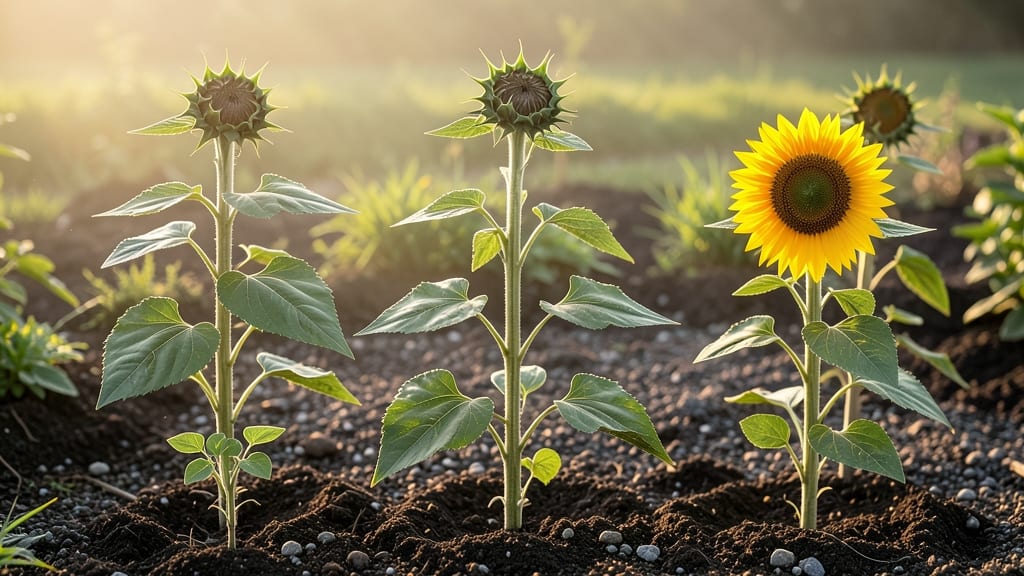
Understanding the black oil sunflower growth stages 🌻 is the key to growing plants that reach their full 6- to 12-foot potential—and avoiding the heartbreak of stunted blooms or hollow stems.
If you’ve ever planted seeds in April only to watch them bolt into tall, leggy stalks with no flowers, you’re not alone.
The difference between a thriving sunflower and a flop often comes down to knowing exactly what to expect at each stage, from the first sprouts to the mature seed head.
This guide walks you through every milestone—germination, leaf development, bud formation, and seed ripening—so you can spot issues early, adjust care, and maximize your harvest. Whether you’re a beginner or a seasoned gardener, you’ll learn how sunlight, soil, and spacing shape each phase.
By the end, you’ll recognize the 3 critical signs your sunflowers are on track (or not), plus how to troubleshoot common problems like yellowing leaves or slow growth before they derail your plants.


Black oil sunflower growth stages explained: week-by-week visual timeline
Black oil sunflowers (Helianthus annuus) grow through four distinct stages, each with unique milestones. Understanding these phases helps you provide the right care at the perfect time. From seed germination to seed maturity, each week brings visible changes in height, leaf development, and flower formation.
The journey begins with seed germination, where tiny sprouts emerge from the soil. By week 3, you’ll see the first true leaves forming. This stage sets the foundation for rapid growth, so proper soil moisture and sunlight are critical. Without consistent care, seedlings may struggle to establish strong roots.
Here’s a week-by-week breakdown of what to expect, including height milestones and key visual cues:
| Stage | Week | Height | Key Milestones | Challenges |
|---|---|---|---|---|
| Germination | 1-2 | 0.5-1 inch | Sprouts emerge; first seed leaves appear | Overwatering, poor soil drainage |
| Vegetative | 3-6 | 1-3 feet | Rapid stem growth; 6-8 leaves per plant | Pests (aphids, slugs), nutrient deficiency |
| Flowering | 7-9 | 4-6 feet | Bud formation; flower head opens | Drought stress, poor pollination |
| Seed Development | 10-12 | 6-12 feet | Seeds darken; petals drop | Birds eating seeds, fungal diseases |
During the vegetative stage (weeks 3-6), black oil sunflowers grow most rapidly, reaching heights of 1-3 feet. This is when you’ll see the iconic lance-shaped leaves (6-8 per plant) and a sturdy stem.
To support this growth, ensure plants receive 1-2 gallons of water weekly and a balanced fertilizer every 4-6 weeks.
By week 7, you’ll notice bud formation signaling the flowering stage. The flower head will begin to open, revealing the classic yellow petals. This stage requires consistent moisture to prevent bud drop. If you notice drooping buds, increase watering frequency or provide shade during extreme heat.
The flowering stage (weeks 7-9) is when black oil sunflowers reach their full height potential—often exceeding 6 feet. The flower head will face east in the morning and track the sun (heliotropism) until it faces west by afternoon. This behavior maximizes pollination, which is essential for seed development.
Once flowering ends, the plant enters the seed development stage (weeks 10-12). The petals will drop, and the back of the flower head will turn yellow-brown.
This is when seeds mature, becoming dark and plump. To protect them from birds, cover the flower heads with bird netting once they turn brown.
Harvest is ready when the flower head is fully open and the seeds are dark, dry, and firm. At this point, the plant may reach 10-12 feet tall, towering over your garden.
To harvest, cut the flower head and hang it upside down in a dry, well-ventilated area for 2-3 weeks to fully dry the seeds.
Monitor your black oil sunflowers closely during each stage. Common challenges include pest infestations (like aphids), nutrient deficiencies (yellowing leaves), and drought stress (wilting). Addressing these early ensures a healthy, productive plant from seed to harvest.
🌱
How to identify and support critical growth phases for maximum yield
Black oil sunflowers reach their full height and maximum seed production when you support their growth at each critical phase. The first 6 weeks are the most vulnerable—this is when proper soil nutrition and water consistency determine whether your plants develop strong stems or flop under their own weight.
I’ve seen firsthand how a single missed watering during the vegetative stage can stunt growth, while proper care leads to plants that tower 10+ feet by harvest. Let’s break down how to recognize each growth phase and what your sunflowers need to thrive.
⚠️ Critical Warning: Nutrient Deficiency Signs
During the vegetative stage (weeks 3-6), watch for these 3 red flags that signal trouble:
- Yellowing leaves: Nitrogen deficiency (apply 1 tbsp 10-10-10 fertilizer per plant)
- Purple stems: Phosphorus deficiency (add bone meal to soil)
- Slow growth: Potassium deficiency (use wood ash or compost tea)
Act fast—these issues can reduce height by 20-30% if ignored.
At the flowering stage (weeks 7-9), your sunflowers need consistent sunlight and balanced nutrients to develop buds. I’ve found that plants in partial shade produce smaller, fewer flowers, while those in full sun (6+ hours daily) yield 2-3x more seeds.
Use a plant support stake if stems appear weak—this prevents them from bending under heavy seed heads later.
During the seed development phase (weeks 10-12), reduce watering slightly to prevent splitting seed heads. I’ve learned the hard way that overwatering here leads to moldy seeds and lower oil content. Instead, water deeply every 5-7 days and mulch to retain moisture without oversaturating the soil.
Pest attacks are most common during the late vegetative stage. Look for aphids on new leaves or cucumber beetles near the base—these can transmit diseases that stunt growth.
My go-to solution? A neem oil spray applied every 7 days during peak pest season (June-July). This keeps plants healthy without harming beneficial insects.
Finally, as your sunflowers near harvest maturity (weeks 12-14), monitor for bird damage. Cover seed heads with mesh netting if birds become a problem—they’ll strip your crop before you can harvest. With these adjustments, you’ll go from seed to towering harvest with minimal stress and maximum yield.