
Size
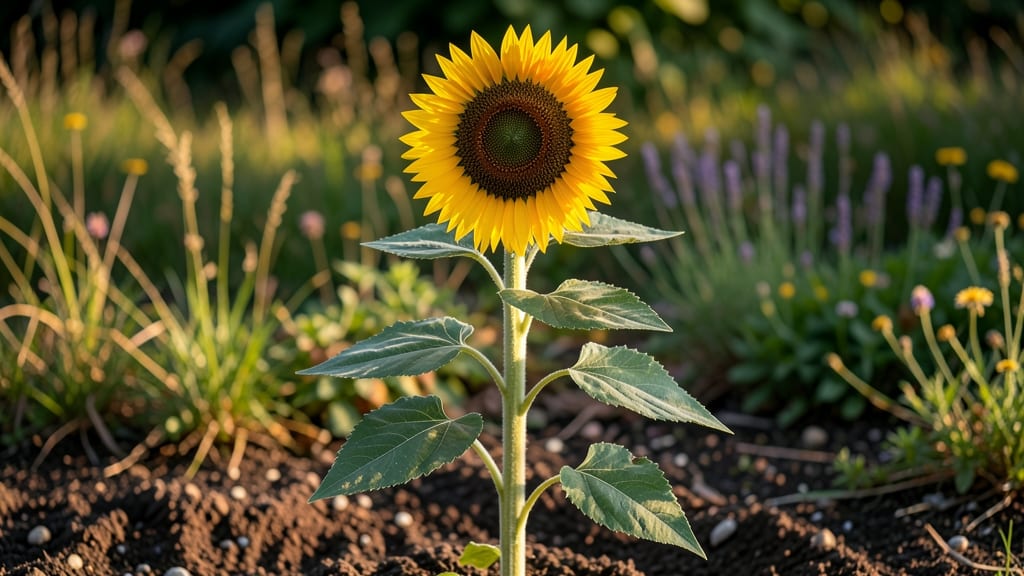
The height of sunflowers can vary dramatically from 2 feet to towering 16 feet, depending entirely on the variety you select—and choosing the right one will transform your garden’s look and function.
Imagine a sunflower 🌻 so tall it blocks your view of the neighbor’s fence, or a compact one that fits perfectly in a container on your patio.
The height of your sunflowers isn’t just about aesthetics; it affects everything from pollinator support to wind resistance and even how much space you need to dedicate to them.
Whether you’re dreaming of a dramatic backyard centerpiece or a low-maintenance border, understanding the height ranges of different sunflower varieties is the first step to planning a garden that works for you.
In this guide, I’ll break down the height ranges of dwarf, semi-dwarf, standard, and giant sunflowers, along with tips for managing their growth so you get the perfect size for your space.

Sunflower height ranges by variety: from dwarf to giant
Sunflowers come in a stunning array of heights, from compact dwarf varieties perfect for containers to towering giant sunflowers that rival trees. Understanding these height ranges helps you choose the perfect variety for your space—whether you're creating a whimsical fairy garden or a dramatic backyard focal point.
The right variety can also influence pollinator activity, wind resistance, and even your garden's overall aesthetic.
Height isn't just about space—it affects how you plant and care for these cheerful flowers. Tall varieties need staking or strong winds may topple them, while dwarf types thrive in small pots or as border plants.
Let's explore the four main height categories and the best varieties for each, so you can make an informed choice that matches your garden's vision and practical needs.
🌻 Pro Tip: Always check seed packets for mature height estimates, as some varieties can exceed expectations in ideal growing conditions.
Dwarf sunflowers like Teddy Bear reach just 2-4 feet tall, making them perfect for container gardening or adding height to window boxes. These varieties bloom early and produce smaller, cheerful flowers that attract bees and butterflies without overwhelming your space.
I've used Little Becka in my front yard pots, and it thrives with minimal care—just regular watering and full sun.
Medium-height varieties like Autumn Beauty strike a balance at 4-8 feet tall, offering versatility for both cut flower arrangements and garden borders. These sunflowers often have multi-colored petals that add visual interest throughout the season.
For my pollinator garden, I planted Russian Giant (early)—it reaches about 6 feet and provides weeks of blooms for bees and birds.
Tall sunflowers like Russian Giant can soar to 10-14 feet, creating stunning vertical accents in your landscape. These varieties need sturdy support and thrive in deep, fertile soil with plenty of nutrients.
I planted one near my patio last year, and while it was breathtaking, I wish I'd staked it sooner—it leaned dramatically in a summer storm. A trellis or cage can prevent this common issue.
For the ultimate statement, giant sunflowers like Mammoth Russian can reach 14-16 feet, rivaling small trees. These varieties require extra care, including amended soil, consistent watering, and wind protection.
If you're growing these, consider planting them near a fence or building for support. Their massive blooms make incredible photography backdrops and attract pollinators from miles around.
When choosing sunflower varieties, consider your garden's microclimate. Windy areas need shorter varieties or staking, while sunny, sheltered spots can support taller giants. I've found that dwarf varieties handle container life beautifully, while tall types thrive when planted in groups for mutual support.
Always check your last frost date—sunflowers need warm soil to germinate, so wait until temperatures stay above 50°F (10°C).
🌱 Remember: Sunflower height can vary based on growing conditions. A Russian Giant might stay shorter in poor soil or lean taller with rich compost and extra water. The key is to start with healthy seeds and provide consistent care throughout the season.
How sunflower height affects your garden layout and design
When planning your garden, the height of sunflowers plays a crucial role in determining where they’ll thrive—and where they might cause problems. A 16-foot giant like 'Mammoth' will dominate your backyard, while a 2-foot dwarf like 'Teddy Bear' fits neatly into containers or borders.
Understanding these differences helps you create a balanced, functional, and visually stunning garden layout.
Taller sunflowers act as natural windbreaks and privacy screens, shielding delicate plants from harsh winds or prying eyes. Meanwhile, shorter varieties provide pollinator-friendly borders and shade for ground covers.
The key is matching each variety’s height to its intended purpose while ensuring proper spacing to avoid overcrowding or instability.
- Dwarf (2-4 ft): Perfect for container gardens or front borders. Use near low-growing herbs like thyme or salad greens to create a layered look. Their compact size makes them ideal for urban balconies or patio planters.
- Semi-Dwarf (4-8 ft): Ideal for mid-height borders or pollinator pathways. Plant near bees and butterflies favorites like lavender or coneflowers to create a pollinator magnet. Their height provides light shade for shade-loving perennials below.
- Standard (8-12 ft): Best for backyard focal points or windbreaks. Place them along property lines or near vegetable gardens to protect crops from wind damage. Their height also makes them perfect for cut flower arrangements.
- Giant (12-16 ft): Reserve these for large open spaces or dramatic centerpieces. They require staking and wide spacing (3-4 ft apart) to prevent toppling. Pair with climbing plants like morning glories to create vertical interest.
For wind-prone areas, taller varieties like 'Russian Giant' (12-16 ft) can act as natural windbreaks, reducing damage to nearby plants. However, their height also means they may need staking or support structures to avoid flopping over in storms.
If you’re growing sunflowers near delicate flowers like roses or hydrangeas, opt for shorter varieties to prevent shading.
Sunflowers also play a role in pollinator attraction. Taller varieties provide landing platforms for bees and butterflies, while shorter ones offer easy access for smaller insects. To maximize pollinator benefits, interplant sunflowers with native wildflowers like black-eyed Susans or bee balm for a continuous nectar source throughout the season.
When designing your layout, consider the mature height of each variety and its growth habit. For example, 'Autumn Beauty' (4-5 ft) has a branching habit, making it ideal for mass plantings, while 'ProCut' (3-4 ft) grows taller stems, perfect for cut flower arrangements.
Always leave 18-24 inches of space between plants to allow for airflow and prevent disease.
Finally, don’t forget to plan for seasonal changes. Sunflowers can lose leaves in late summer, so avoid planting them directly behind evergreen shrubs if you want year-round coverage. Instead, pair them with perennials that fill in the gaps once the sunflowers fade.