
Planting
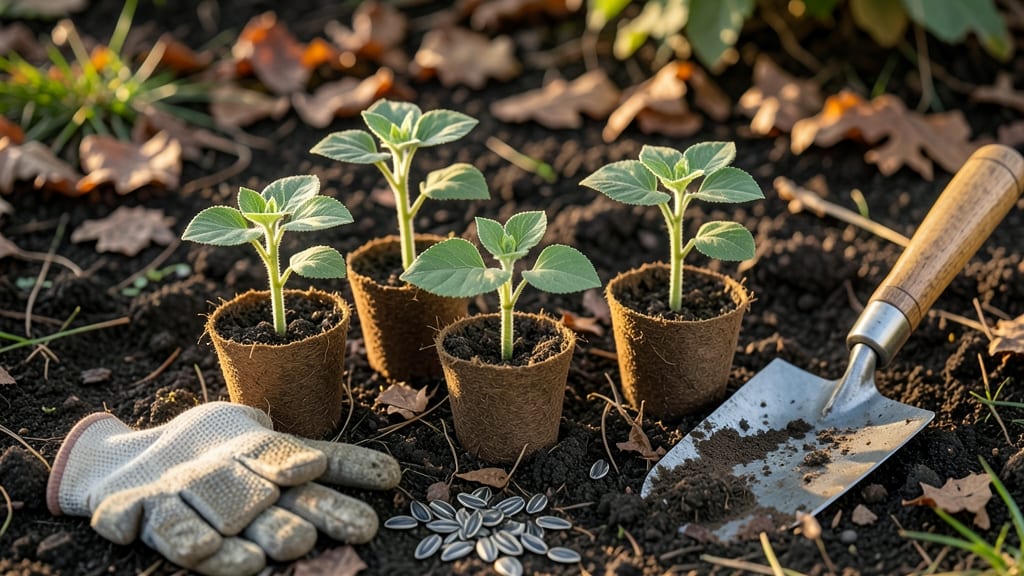
You can plant sunflowers in fall 🌻 with the right timing and cold-hardy varieties, turning your garden into a late-season spectacle.
Most gardeners think sunflowers are strictly a summer crop, but with 60 days to maturity before frost, you can coax a second bloom cycle from these giants. The key? Choosing fast-growing varieties like 'Autumn Beauty' and starting seeds early enough to avoid winter’s bite.
Fall planting works best in USDA Zone 6a or warmer, where frost arrives after October 15. Soil prep is critical—amend with compost to improve drainage, and space seeds 6 inches apart to prevent overcrowding as they race toward harvest.
In this guide, I’ll walk you through the best varieties, planting dates by region, and care tips to ensure your fall sunflowers thrive—even as temperatures drop.


Best sunflower varieties for fall planting and their growth Zones
Fall planting can extend your sunflower season into autumn's golden hues, but not all varieties thrive in cooler temperatures. The key lies in selecting cold-hardy sunflower types that mature quickly and tolerate light frosts. These varieties can produce stunning blooms before winter arrives, adding late-season color to your garden.
My top recommendations focus on fast-maturing hybrids with proven frost tolerance in USDA Zones 3-8, ensuring success whether you're in the northern plains or southern states.
When choosing fall sunflowers, prioritize varieties with 60-70 day maturity timelines to complete their growth cycle before hard frosts. Some exceptional options like 'Autumn Beauty' and 'Russian Giant' stand out for their ability to handle cooler temperatures while still producing impressive blooms.
These varieties also offer the bonus of edible seeds, making them a dual-purpose addition to your garden. Let's explore the best cold-hardy options and their ideal planting zones.
| Variety | Maturity Days | USDA Zones | Height | Frost Tolerance | Special Features |
|---|---|---|---|---|---|
| Autumn Beauty | 60-70 days | 3-8 | 3-5 ft | Light frost (28°F) | Multi-colored blooms, bird-friendly |
| Russian Giant | 75-85 days | 4-8 | 10-14 ft | Moderate frost (26°F) | Massive seed heads, great for cut flowers |
| Teddy Bear | 55-65 days | 3-7 | 2-3 ft | Light frost (30°F) | Dwarf variety, great for containers |
| Moulin Rouge | 60-70 days | 4-9 | 5-7 ft | Moderate frost (27°F) | Deep red blooms, excellent for cut flowers |
| Autumn Beauty Mix | 65-75 days | 3-8 | 4-6 ft | Light frost (29°F) | Colorful mix, great for pollinators |
'Autumn Beauty' is my top recommendation for fall planting due to its 60-70 day maturity and exceptional frost tolerance down to 28°F. This variety thrives in USDA Zones 3-8, making it versatile for nearly all North American climates. The multi-colored blooms add vibrant contrast to autumn gardens, and its 3-5 foot height makes it perfect for borders or mixed flower beds. I've found that planting this variety in late August yields mature flowers by early October, just before the first hard frosts in most regions.
The 'Russian Giant' variety is ideal if you're aiming for dramatic height and edible seeds. With its 10-14 foot stature, it creates stunning focal points in larger gardens.
This variety requires USDA Zones 4-8 and can tolerate 26°F temperatures, though it needs slightly more time to mature (75-85 days). For fall planting, I recommend starting these seeds indoors in early August and transplanting outdoors after the last heatwave.
The massive seed heads make excellent cut flowers that last for weeks in vases.
For smaller spaces or container gardening, 'Teddy Bear' sunflowers are perfect with their 2-3 foot height and 55-65 day maturity. These dwarf varieties tolerate light frosts down to 30°F and thrive in USDA Zones 3-7. Their compact size makes them ideal for patios, balconies, or even window boxes.
I've successfully grown these in 5-gallon containers with excellent results, harvesting seeds by late September in my Zone 5 garden. The variety's early maturity makes it one of the most reliable choices for fall planting.
When selecting sunflower varieties for fall, always check your local frost dates and calculate backward from the first expected frost. Most sunflowers need 80-100 frost-free days to mature, so adjust your planting timeline accordingly.
For example, in Zone 4, where first frost typically occurs around October 15, I plant my 'Autumn Beauty' seeds around August 20 to ensure blooms before winter sets in.
This timing strategy works equally well in Zones 5-7, though you may need to plant slightly later in warmer climates.
Don't overlook 'Moulin Rouge' for its striking deep red blooms that add dramatic contrast to autumn gardens. This variety matures in 60-70 days and tolerates
Step-by-step guide to planting sunflowers in fall for maximum success
Fall sunflower planting can be a rewarding way to extend your garden's golden display, but timing and technique are everything. Unlike spring planting, fall offers cooler soil temperatures and fewer pests—but you’ll need to work with shorter daylight hours and early frost risks.
The key is choosing fast-maturing varieties and preparing your soil early to give seedlings a strong start before winter arrives.
Before you begin, check your USDA hardiness zone and aim to plant seeds 8-10 weeks before your first frost date. In Zone 5, this means late August; in Zone 8, you might push it to early October.
For example, my Zone 6 garden thrives with fall sunflowers planted in early September, giving them time to reach 6-foot height before temperatures dip below 20°F.
Step-by-Step Planting Guide
- 1. Test and Amend Soil: Use a soil test kit to check pH (ideal: 6.0-7.0). Amend with compost or aged manure to improve drainage. Sunflowers hate soggy roots!
- 2. Choose Fast Varieties: Pick Autumn Beauty (50-60 days) or Moulin Rouge (60 days). Avoid tall varieties like 'Russian Giant'—they won’t mature in time.
- 3. Plant Depth & Spacing: Sow seeds 1 inch deep, 6 inches apart, with 18-inch rows. Thin seedlings to avoid competition.
- 4. Watering Schedule: Keep soil consistently moist (not soggy) for 2 weeks. After germination, water deeply 2x/week—morning is best to prevent fungal risks.
- 5. Mulch for Frost Protection: Apply 2-3 inches of straw mulch around stems once seedlings hit 4 inches tall. This insulates roots and retains moisture.
- 6. Monitor Frost Dates: If frost threatens before maturity, cover plants with frost cloth at night. Most sunflowers tolerate light frosts but wilt below 28°F.
One common misstep is assuming all sunflowers can handle fall planting—they can’t. Dwarf varieties like 'Teddy Bear' (3-4 feet) are better suited than giants, which need 120+ days to mature. I once planted 'Russian Giant' in fall and lost it to frost before it reached 3 feet—a hard lesson!
After planting, watch for aphids (they love tender fall growth) and remove them with a strong spray of water. If your sunflowers start leaning toward the sun, gently stake them with bamboo stakes tied loosely to avoid damaging stems.
By late October, even if the flowers don’t fully bloom, the seed heads can still be harvested for bird feeders!
With these steps, you’ll enjoy sunflowers well into autumn, their cheerful faces defying the season’s chill. Just remember: fall sunflowers are a gamble—but when they succeed, the payoff is worth the risk. Happy planting! 🌻