
Planting
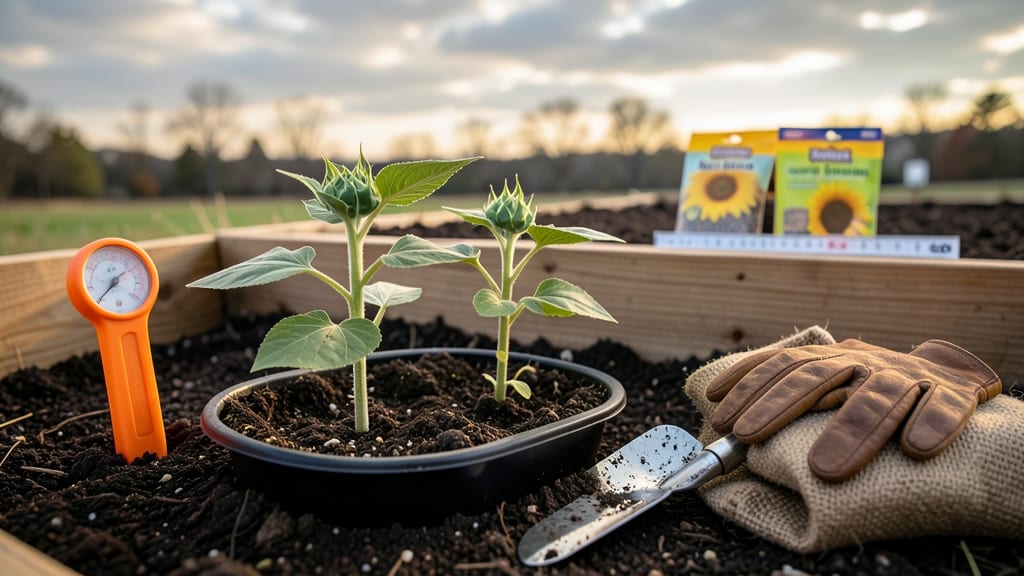
Planting sunflowers in North Carolina after the last frost—typically late April to early June—sets the stage for stunning blooms that last from July through October.
But timing is everything, especially when NC’s frost dates vary wildly from the mountains to the coast. Get it wrong, and you’ll end up with leggy, weak stems or sunflowers that bolt before they even open.
The right window depends on your zone, the variety you choose, and whether you’re growing dwarf or giant varieties.
Here’s the breakdown: when to start seeds indoors, when to direct-sow outdoors, and how to adjust for NC’s short growing season. Plus, how to stretch your blooms longer by planting in stages—because nobody wants to miss a single sunflower 🌻 in their garden.
We’ll cover zone-specific deadlines, soil prep, and the best varieties for your region, so you can avoid the common mistakes that leave gardeners with wilted dreams instead of towering stems.
North Carolina sunflower planting deadlines by USDA hardiness Zones
North Carolina’s diverse climate—from the cool mountains of Zone 6a to the humid coastal plains of Zone 8a—means your sunflower planting timeline should match your specific USDA zone. Planting too early risks frost damage to tender seedlings, while late planting may leave you with underwhelming blooms before winter.
Let’s break down the ideal planting windows for each zone, including soil temperature requirements and last-frost averages.
Sunflowers are warm-season annuals that need consistent soil temperatures above 55°F (13°C) to germinate. In NC, this typically aligns with late April to early June, but your exact timing depends on your microclimate.
For example, Zone 6a gardeners in the mountains should wait until mid-May, while Zone 8a growers near the coast can start as early as late March. Below, we’ll compare your options by zone, including the risks of early vs. late planting.
Pro Tip: Use a soil thermometer to confirm temperatures before planting. Sunflower seeds won’t sprout reliably in cold, damp soil, even if frost isn’t a threat. Aim for 60-65°F (15-18°C) for the best germination rates. If your soil is still chilly, consider starting seeds indoors 2-3 weeks before your zone’s last frost date.
If you’re in Zone 6a or 6b, don’t rush to plant in April—even if your soil feels warm. A late April frost can still sneak in, especially in valleys or higher elevations. Instead, wait until mid-May to ensure your seedlings aren’t nipped by unpredictable cold snaps.
For Zones 7a–8a, you have more flexibility, but avoid planting before March 15 unless you’re using row covers to protect young plants.
For container gardening or urban spaces, you can push your planting window slightly later. Sunflowers in
Best sunflower varieties for NC gardens by height and planting time
North Carolina’s diverse climate means your sunflower choices should match your planting timeline and garden space. Whether you want dwarf varieties for containers or giant sunflowers as focal points, timing is key to avoid early frost damage or summer wilting.
The right variety planted at the right time ensures vibrant blooms from July through October.
For NC’s USDA Zones 6b-8a, I recommend staggering plantings every 2-3 weeks between late April and early June. This strategy extends your blooming season and lets you enjoy sunflowers from mid-summer to frost. Dwarf varieties mature fastest, while giants need the longest growing season—so plan accordingly!
| Variety | Height | Days to Mature | Best Planting Time | Heat Tolerance |
|---|---|---|---|---|
| Teddy Bear | 2-3 ft | 50-55 days | Late April - May | High |
| Moulin Rouge | 4-6 ft | 60-65 days | Early May - June | Moderate |
| Russian Giant | 10-14 ft | 80-100 days | Late April (early zone 8a) | Low |
| Autumn Beauty | 5-6 ft | 65-70 days | Early May - Mid-May | High |
| Mammoth | 12-16 ft | 90-110 days | Late April (zone 7b-8a) | Low |
For dwarf varieties like Teddy Bear, I plant seeds in late April to ensure they bloom by early July before NC’s summer heat peaks. Their 50-day maturity makes them perfect for container gardens or small spaces.
These sunflowers also handle high heat better than taller varieties, making them ideal for Piedmont and Coastal NC.
Medium-height sunflowers like Moulin Rouge and Autumn Beauty strike a balance—plant them in early May for July-August blooms. Their 60-70 day maturity gives them enough time to establish roots before summer’s intense humidity. These varieties also produce edible seeds, so they’re great for cutting and snacking!
Giant sunflowers like Russian Giant and Mammoth require early starts in late April (zone 8a) or early May (zone 6b-7a). Their 90-110 day maturity means they need a long, frost-free season to reach their full 10-16 ft height.
Stake them early to prevent wind damage—NC’s summer storms can topple these giants!
Pro tip: If you want continuous blooms, plant a mix of dwarf and medium varieties every 2 weeks from late April to early June. This creates a staggered display that lasts from July through October.
Just remember—giant sunflowers need extra space and support to avoid flopping in NC’s humid summers.