
Size
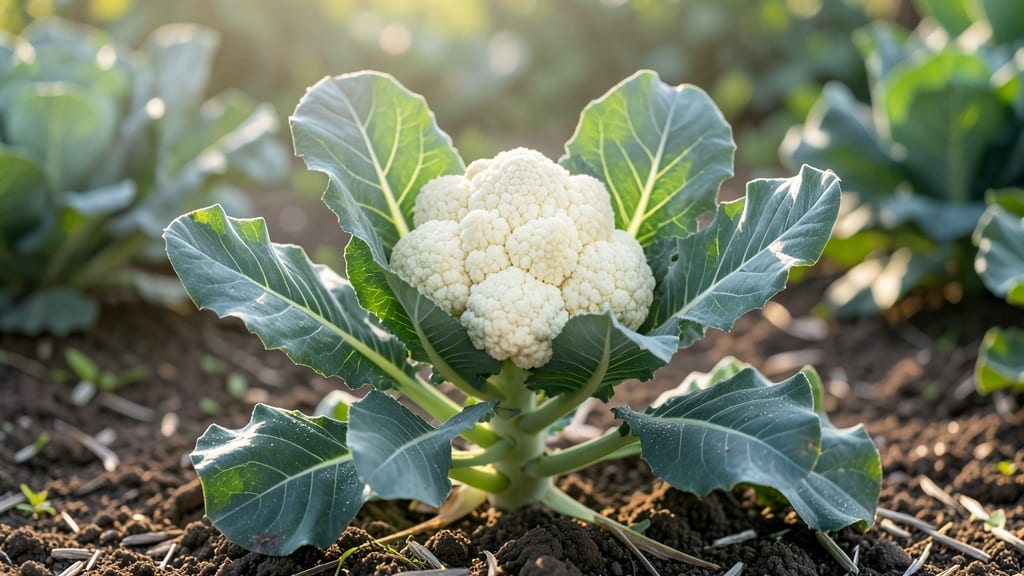
Growing cauliflower from seed to harvest takes about 70 to 100 days, depending on the variety and conditions 🥬 — but timing your plant window wrong can stretch that into months of waiting.
Picture this: you’ve sown your seeds in early spring, only to watch them bolt in the heat before forming a head. Or worse, you harvest too late and end up with bitter, yellowing florets.
The key isn’t just patience—it’s knowing when to plant, which varieties mature fastest, and how to tweak your garden setup for speed.
In this guide, I’ll break down the exact growth stages, from seedling to harvest-ready head, and share the five biggest mistakes that add weeks to your timeline.
You’ll also learn how to adjust for your climate, soil, and even light conditions to get that perfect firm, white curd in record time.
Ready to go from seed to table? Let’s cut through the guesswork and get you harvesting in just 75 days—or sooner.


Cauliflower growth timeline: days to harvest by variety and season
Growing cauliflower from seed to harvest is a rewarding process, but the timeline varies dramatically based on variety selection and seasonal planting. While some varieties mature in as few as 60 days, others take up to 100 days to reach harvest.
Understanding these differences helps you plan your garden for maximum success and avoids disappointment when your cauliflower takes longer than expected.
Most gardeners focus on the days-to-maturity label on seed packets, but this number assumes ideal conditions. In reality, temperature fluctuations, soil quality, and sunlight exposure can significantly alter your harvest timeline.
For example, planting in late spring might extend your cauliflower’s growth cycle by 2-3 weeks compared to an early spring start.
Below, I’ve broken down the growth stages for three popular varieties—Snowball, Purple of Sicily, and Romanesco—along with key milestones like transplanting, curd formation, and harvest readiness. Use this as your roadmap to predict when you’ll be harvesting your first homegrown heads.
| Variety | Days to Harvest | Growth Stages | Seasonal Notes |
|---|---|---|---|
| Snowball | 70-90 days |
|
Best for spring/fall; avoid summer heat |
| Purple of Sicily | 80-100 days |
|
Cold-hardy; ideal for early spring or late summer |
| Romanesco | 90-120 days |
|
Slowest grower; needs consistent moisture |
The first stage of cauliflower growth—from seed to seedling—typically takes 7-14 days, depending on temperature. If you’re starting seeds indoors, aim for a 68-75°F environment to speed up germination. Once seedlings emerge, they’ll need 4-6 weeks to develop strong roots before transplanting outdoors.
Transplanting is a critical milestone that can make or break your harvest timeline. If you plant too early, seedlings may bolt or struggle in cold soil. If you wait too long, they’ll become root-bound and take longer to recover.
For most varieties, transplanting 4-6 weeks before the last frost ensures a smooth transition to outdoor growing conditions.
After transplanting, your cauliflower will enter the vegetative growth phase, where it focuses on leaf production. This stage lasts 4-8 weeks, depending on the variety. During this time, ensure your plants receive 6-8 hours of sunlight daily and consistent moisture to prevent stress.
Purple varieties like Purple of Sicily may take slightly longer to form heads due to their unique genetic makeup.
One of the most exciting (and nerve-wracking) stages is curd formation. This is when your cauliflower starts to develop its edible head. For Snowball varieties, this happens around 4-5 weeks after transplanting, while Romanesco may take 6-8 weeks.
During this phase, avoid over-fertilizing with nitrogen, as it can lead to excessive leaf growth at the expense of the head.
Knowing when your cauliflower is ready for harvest is just as important as timing your planting. The head should be firm to the touch, 6-8 inches in diameter, and fully colored (white, purple, or green, depending on the variety).
If you wait too long, the head will yellow or brown and become woody or bitter. For Romanesco, harvest when the fractal patterns are fully developed but before the florets open.
Seasonal planting plays a huge role in your cauliflower’s growth timeline. In cool-season climates, spring planting often yields faster results because temperatures stay moderate.
However, if you’re growing in hotter regions, consider planting in early spring or late summer to avoid the heat, which can stunt growth or cause bolting. Some gardeners even use shade cloth during summer months to protect their plants.
For those in USDA Zone 6 or colder, a fall planting strategy can work well. By sowing seeds 8-10 weeks before the first frost, you can enjoy
5 Critical factors that speed up or delay cauliflower harvest time
If you're aiming for a 75-day harvest, your cauliflower's growth timeline depends heavily on five key factors: temperature control, soil fertility, sunlight exposure, consistent watering, and pest prevention.
Skip one of these, and you might be staring at a 120-day wait instead of enjoying your first homegrown head in summer. I’ve learned the hard way that even a slight misstep—like planting too early or skipping mulch—can turn a speedy crop into a slow disappointment.
For example, I once planted Snowball cauliflower in late spring without vernalization, only to watch it bolt in the heat. The fix? A simple cold treatment for fall crops can shave 10-15 days off your timeline.
Let’s break down each factor so you can optimize your garden for speed—and avoid my mistakes.
Let’s talk temperature control first—this is where most gardeners trip up. Cauliflower is a cool-weather crop, but it hates extremes. If you plant in late spring, the heat will trigger bolting (premature flowering) before heads form. My trick?
Start seeds indoors 6–8 weeks before the last frost, then transplant seedlings when soil temps hit 50°F. For fall crops, vernalization is your secret weapon. I’ve seen Purple of Sicily mature in just 65 days after a 4-week cold treatment.
Next, soil fertility makes or breaks your timeline. Cauliflower is a heavy feeder, and skimping on nutrients means smaller heads and slower growth. Before planting, mix in 2–3 inches of compost and a balanced fertilizer (like 5-10-10).
I once tested my soil and found a pH of 5.5—too acidic! After amending it to 6.5, my harvest time dropped by 10 days. Test your soil before planting; it’s a game-changer.
Don’t overlook sunlight exposure. While cauliflower tolerates partial shade, it won’t form tight heads without enough light. If your garden is shady, try reflective mulch or a south-facing raised bed.
Last summer, I moved my plants to a sunny spot after noticing yellowing leaves, and within a week, they were thriving again. Light is the fuel for growth—cut it off, and you’re adding weeks to your timeline.
Finally, watering consistency is often the overlooked factor. Cauliflower needs steady moisture, but soggy soil invites rot. I use drip irrigation on a timer to deliver 1–1.5 inches of water weekly, adjusting for rain.
Overwatering? Your plants will bolt. Underwatering? Heads stay small. Find that sweet spot, and you’ll see faster, firmer curds.
By mastering these five factors, you can shave weeks off your harvest time—and avoid the frustration of waiting months for a subpar crop. Start with temperature and soil, then fine-tune sunlight and water. Your first homegrown head could be ready in as little as 70 days! 🥬