
Watering
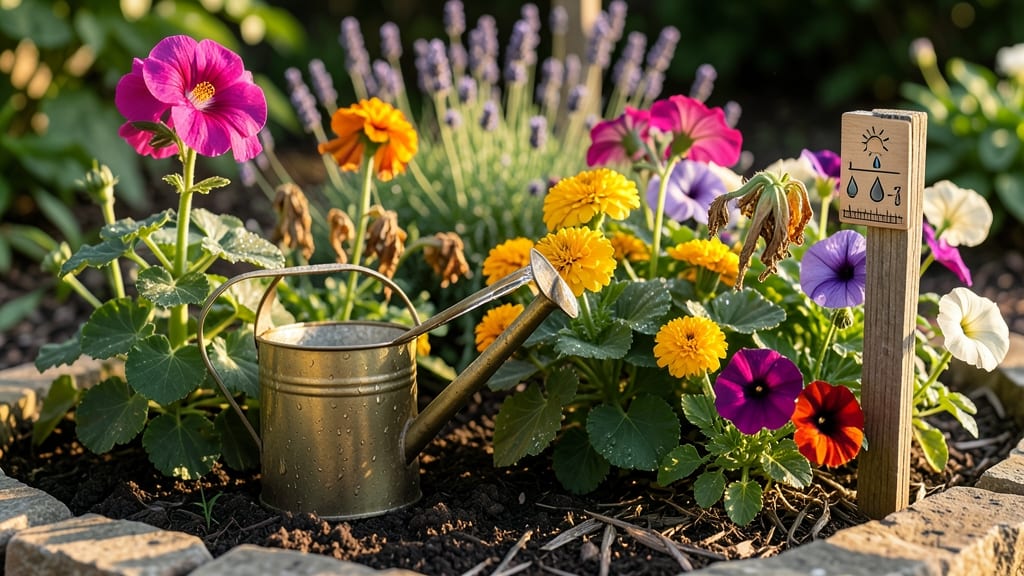
You don’t have to water flowers every day — in fact, most varieties thrive on a schedule that balances their needs with your schedule.
Overwatering kills more plants than underwatering, yet gardeners constantly debate the best watering schedule. The truth? Your flowers don’t need daily hydration, but their needs vary wildly by species, climate, and season.
Drought-resistant succulents like lavender might only need water every 10 days, while thirsty roses could demand a deep soak twice a week in summer. Soil type, container size, and even your local humidity play a role.
Here’s how to adjust your watering routine by plant type, plus the key signs that tell you to hold back or pour more — without guessing.
How often should you water different flower types?
Watering flowers isn’t a one-size-fits-all task—some thrive with daily hydration, while others wilt from too much attention. The key lies in understanding your plants’ natural moisture needs and adjusting for your local climate.
For example, succulents like aloe vera store water in their leaves, while tropical orchids demand consistent humidity. Let’s break down the science so you can water with confidence, not guesswork.
Before grabbing your hose, test your soil’s moisture level. Stick your finger 1-2 inches deep—if it feels dry, it’s time to water. If damp, wait another day. This simple check prevents both overwatering (which causes root rot) and underwatering (leading to wilting).
Environmental factors like summer heat or high humidity also shift the schedule dramatically. Let’s explore how to tailor your watering routine to each flower type.
Annual flowers like petunias and marigolds are thirsty during their short lifespan, often needing water every 2-3 days in summer. But don’t drown them—overwatering leads to fungal diseases like powdery mildew. Instead, water deeply in the morning to let foliage dry before nightfall.
For perennials such as lavender or black-eyed Susans, less frequent but deeper watering encourages stronger roots. Aim for 1 inch of water per week, adjusting for rain.
Succulents and cacti are the low-maintenance champions of the garden. These plants store water in their thick leaves and stems, so they only need a drink every 2-4 weeks in summer and even less in winter. A classic mistake?
Watering based on a schedule rather than soil conditions. Always check moisture before watering—if the top 3 inches of soil are dry, it’s time. For potted succulents, ensure pots have drainage holes to prevent root rot, a silent killer.
Tropical flowers like hibiscus and orchids mimic their humid native environments. They often need daily watering in high-humidity climates, but their soil should never stay soggy. Use a moisture meter or the finger test to avoid guesswork. Group tropical plants together to create a microclimate with consistent humidity.
If your home is dry, consider a pebble tray or humidifier to keep them happy. Remember, these plants thrive on routine—skipping watering can cause buds to drop.
Seasonal changes dramatically alter watering needs. In spring, when flowers are establishing roots, water lightly but frequently. By summer, increase frequency to daily or every other day, especially in containers that dry out faster. Autumn signals a slowdown—reduce watering as plants prepare for dormancy.
Winter is often a dry spell for watering, except in pots where roots can’t seek moisture below the frost line. Always adjust for rainfall—a good soaking rain can replace your watering schedule for the week.
Your local climate plays a huge role in watering frequency. In arid regions, even drought-tolerant perennials may need more water than the chart suggests. Conversely, humid coastal areas can lead to fungal issues if you water at night.
Pay attention to wind exposure—windy spots dry out faster, requiring more frequent watering. Shady areas retain moisture longer, so you can stretch out the time between waterings. When in doubt, observe your plants: wilting leaves signal thirst, while yellowing foliage often means overwatering.
Mulching is a game-changer for efficient watering. A 2-3 inch layer of mulch (like straw or wood chips) locks in moisture, reducing evaporation and keeping roots cool. This means you’ll water less often while maintaining consistent soil moisture. Just
5 Signs your flowers are overwatered (and how to fix it)
Your flowers might be getting too much love—literally. Overwatering is the silent killer of garden beds, often disguised as "good care." When roots suffocate in soggy soil, they can't absorb nutrients, leading to a cascade of problems that mimic diseases or pests.
The key is recognizing the subtle (and not-so-subtle) signs before your plants turn into a science experiment gone wrong.
Most gardeners assume wilting means thirst, but overwatered flowers often wilt too—this time because their roots can't breathe. The soil stays clumpy and wet, even days after watering, while leaves turn yellow or develop a mushy texture.
Don't wait for mold to appear on the soil surface; by then, your plants are already fighting for their lives.
🚨 callout-warning 🚨
If your flower pots or garden soil still feels damp 3 days after watering, you're overdoing it. Use your finger to check soil moisture: the top 1-2 inches should dry out before the next watering. For container plants, lift the pot—if it's heavy with moisture, hold off.
🌱 Pro Tip: Adjust your schedule by plant type. Succulents like lavender need water every 10-14 days, while petunias may need daily water in summer heat.
Yellowing leaves are your first red flag, but pay attention to which leaves yellow. Overwatered plants often start with the older, lower leaves turning yellow while new growth stays green. This is your plant's way of saying, "I can't support all these leaves when my roots are drowning!"
If you see yellowing paired with blackened stems at the base, root rot has already set in.
Mold or fungus on the soil surface is a clear SOS signal. White, fuzzy growth (like cotton balls) or slimy black spots mean your soil is too wet for healthy microbes.
This isn't just ugly—it blocks roots from oxygen and invites pests. If you spot mold, stop watering immediately and let the topsoil dry out completely before adjusting your schedule.
Wilting despite wet soil is the most confusing sign, but it's classic overwatering. Roots need oxygen to function, and waterlogged soil suffocates them. Your plant wilts because it can't absorb water efficiently.
The fix? Let the soil dry out completely between waterings. For potted flowers, ensure containers have drainage holes and use well-draining soil mixes with perlite or sand.
To revive overwatered flowers, start by reducing frequency and increasing drainage. Repot plants in fresh, well-draining soil if their roots are circling or mushy. For garden beds, amend the soil with compost to improve aeration.
If root rot is severe, trim away blackened roots with sterilized scissors before repotting in dry soil. Prevention is key: water deeply but infrequently, and always check soil moisture before reaching for the hose.
Remember, flowers don't need daily watering—most thrive on deep, infrequent soakings. Adjust your routine by season: water less in spring/fall and more in summer, but always let the topsoil dry between sessions. Your plants will reward you with stronger roots and bigger blooms—without the guesswork. 🌸