
Fertilization
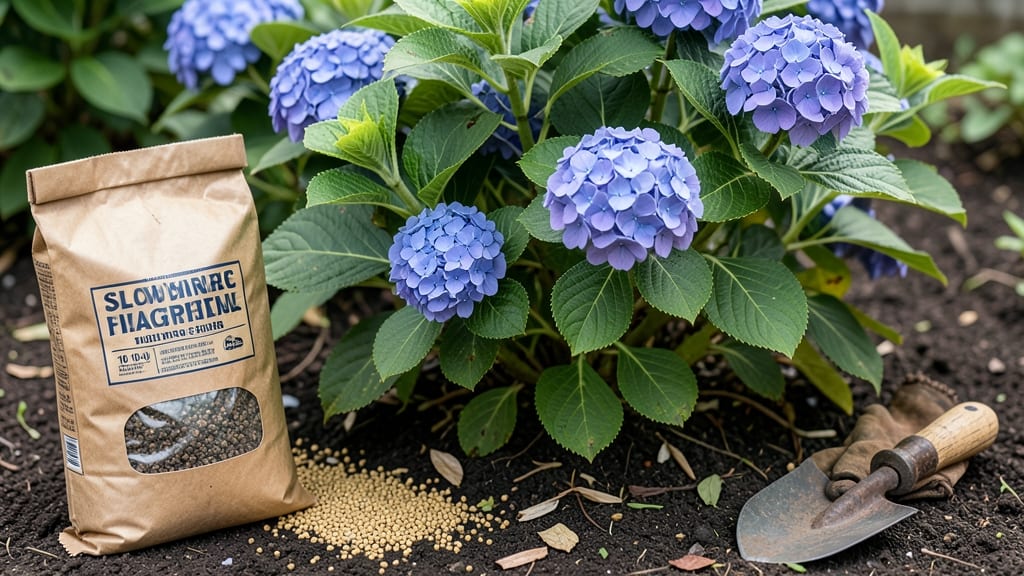
The right fertilizer for outdoor flowering plants 🌸 is the secret weapon behind those showstopping blooms you’ve been dreaming of.
Picture this: You’ve spent hours deadheading, pruning, and watering—only to watch your flowers limp along with half-hearted blooms. The issue isn’t your green thumb; it’s what’s not in the soil. Too little phosphorus, and your petunias throw out leaves instead of flowers.
Too much nitrogen, and your roses grow like weeds but never open. The fix? A fertilizer strategy as precise as your plant’s sunlight needs.
Here’s the good news: You don’t need a chemistry degree to get it right.
Whether you’re team organic (compost tea, banana peels) or synthetic (balanced NPK blends), the key is matching the formula to your plant’s stage—root boosters in spring, phosphorus powerhouses when buds form, and a light touch in fall.
Below, I’ll walk you through the best fertilizers for each bloom type, when to feed, and how to spot the signs you’re overdoing it.
Ready to turn “meh” blooms into a garden that steals the show? Let’s get your soil working for you—without breaking the bank or burning your plants.
Best fertilizer types for outdoor flowering plants by nutrient needs
Choosing the right fertilizer for outdoor flowering plants isn't just about tossing down some granules—it's about understanding your plants' nutrient hunger. Most flowering plants crave phosphorus to fuel blooms, but some need a balanced NPK ratio to avoid lush leaves at the expense of flowers.
Let's decode the best formulas for your garden's star performers, from roses to zinnias.
First, take a soil test to check your garden's baseline nutrients. Many gardeners skip this step, only to wonder why their hydrangeas refuse to bloom. A simple test reveals if your soil is deficient in magnesium, calcium, or other micronutrients that keep petals vibrant.
For most flowering plants, aim for a pH between 6.0 and 7.0—this sweet spot helps roots absorb nutrients efficiently.
Now, let's compare the top fertilizer types. Organic options like compost and fish emulsion release nutrients slowly, feeding plants over time, while synthetic fertilizers deliver a quick nutrient punch. The right choice depends on your plants' growth stage and your gardening goals.
| Fertilizer Type | Best For | NPK Ratio | Application Rate | Release Speed |
|---|---|---|---|---|
| Synthetic (e.g., 10-20-20) | Heavy bloomers (Roses, Dahlias) | Low N, High P, Medium K | 1 tbsp per plant every 4 weeks | Fast (water-soluble) |
| Organic (e.g., Bone Meal) | Root development (Perennials, Shrubs) | Low N, Very High P, Low K | 2 tbsp per plant at planting | Slow (3-6 months) |
| Slow-Release (e.g., Osmocote) | Season-long feeders (Annuals, Containers) | Balanced (e.g., 14-14-14) | 1 cup per 10 sq ft (spring) | Very Slow (4-5 months) |
| Liquid (e.g., Fish Emulsion) | Foliar health (Vegetative growth) | High N, Medium P, Medium K | 1 oz per gallon every 2 weeks | Fast (immediate uptake) |
| Micronutrient Boost (e.g., Epsom Salt) | Petal vibrancy (All flowering plants) | 0-0-0 (Magnesium focus) | 1 tbsp per gallon monthly | Fast (foliar uptake) |
For phosphorus-loving bloomers like petunias and impatiens, reach for a high-phosphorus fertilizer (look for the middle number in the NPK ratio to be at least 10). These plants prioritize bud formation over leafy growth, so a 5-10-10 or 10-20-20 formula works wonders.
Apply it when you see new growth appearing in spring, then repeat every 4-6 weeks during the blooming season.
If your flowers are more about foliage than blooms—think coleus or fuchsias—opt for a balanced fertilizer like 10-10-10 or 12-12-12. These ratios encourage leafy growth while still supporting some flowering.
For container gardens, slow-release fertilizers are a game-changer—they feed your plants steadily without the risk of nutrient burn from over-application.
Don't overlook micronutrients like magnesium and iron. A quick foliar spray with Epsom salt (1 tbsp per gallon of water) can revive yellowing leaves and keep petals vibrant. Many flowering plants, especially
Step-by-step guide: how to apply flower-specific fertilizer for maximum blooms
Timing and technique make all the difference when fertilizing outdoor flowering plants 🌼. Unlike vegetables that prioritize leafy growth, flowers demand a phosphorus-rich approach—but only at the right moments. Think of it like a three-act play: spring for roots, summer for blooms, and fall for recovery.
Miss one act, and your petunias might as well be auditioning for a supporting role.
Most gardeners overfeed in spring, thinking more nitrogen equals more flowers. Wrong. Too much nitrogen now means leafy monsters with tiny buds. Instead, start with a balanced 10-10-10 fertilizer to build roots, then switch to a 5-10-20 formula when buds form.
The key? Read your plant’s label—what works for roses (high potassium) fails for zinnias (needs phosphorus).
Over-fertilizing doesn’t just waste money—it kills roots and leaves your plants crispy at the edges. Watch for these red flags:
- Yellowed leaves with brown tips (classic salt burn from synthetic fertilizers)
- Stunted growth despite lush foliage (roots are stressed)
- White crust on soil surface (excess fertilizer salts)
Fix it: Flush soil with 2–3 inches of water to leach salts, then reduce feeding by half for 4 weeks.
For granular fertilizers, work them into the top 2–3 inches of soil around the root zone—never pile on top. Use a broadfork to loosen compacted soil first, then sprinkle lightly (about 1 tbsp per plant or 1 cup per 10 sq ft).
Water deeply afterward to activate nutrients without burning roots. Pro tip: Side-dress perennials in early spring with compost or a slow-release pellet for a 6-month boost.
Liquid fertilizers act faster but require more frequent applications (every 2–4 weeks). Dilute to half-strength for young plants or hot weather, and always apply in the early morning to prevent leaf scorch.
Foliar sprays (like seaweed extract) are great for stressed plants but won’t replace root feeding. Think of them as a vitamin shot for blooms.
Mid-season is your bloom powerhouse window—typically June through August in most zones. Switch to a high-phosphorus fertilizer (look for P as the middle number) when you see buds forming. Deadhead spent blooms immediately to signal the plant: “Keep producing!”
For container plants, fertilize every 2 weeks with a diluted liquid feed, as potting soil depletes faster.
Don’t skip post-bloom care! After your last flush of flowers (usually late summer), taper off fertilizers to let plants harden off for winter. Add a low-nitrogen fertilizer (like 5-5-5) in early fall to strengthen roots without encouraging late growth.
Mulch with 2–3 inches of compost to protect roots and slowly release nutrients. By next spring, your soil—and your blooms—will thank you.