
Trees
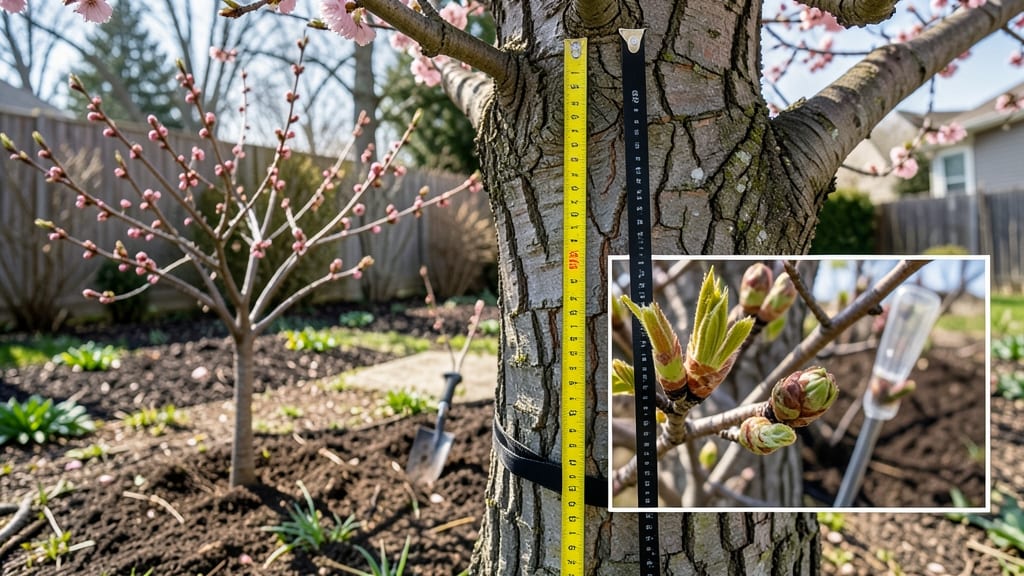
A flowering cherry’s growth rate can surprise you—some varieties add 2 feet or more in a single season, while others take their time to reach their stunning 🌸 maturity.
If you’ve ever dreamed of a stunning springtime display but wondered how quickly flowering cherries grow, you’re in the right place—some varieties can shoot up 2 feet in a single season!
Understanding these growth patterns helps you plan your garden with confidence. Whether you’re planting a fast-growing Kanzan or a slower-maturing Yedoensis, knowing what to expect year by year makes all the difference.
Below, I’ll break down how soil, sunlight, and pruning can speed up—or slow down—growth, plus a year-by-year timeline so you know exactly when to expect those showstopping blooms.


Flowering cherry growth rate by variety: fastest and slowest growers
Choosing the right flowering cherry variety depends on how quickly you want to see that springtime spectacle. Some varieties shoot up like rockets, while others take their time—both have their charm!
The growth rate of flowering cherries varies dramatically, with some gaining 2 feet per year and others growing just 6 inches annually. Understanding these differences helps you plan your landscape with realistic expectations.
From the bold, upright 'Kanzan' to the delicate weeping 'Shidare-Yutaka', each variety offers unique growth patterns. Fast growers like 'Kanzan' can reach 15 feet in 5 years, while slower varieties like 'Amanogawa' might only hit 10 feet in a decade.
Let’s break down the fastest and slowest growers so you can pick the perfect fit for your garden space and timeline.
If you’re short on space or eager to enjoy your flowering cherry quickly, 'Kanzan' is the clear winner. This variety doesn’t just grow fast—it also boasts vibrant pink blooms that cover the tree in spring. In just 3 years, you could have a 10-foot-tall showstopper!
For those with larger properties and a bit more patience, 'Shirofugen' offers stunning double pink flowers and a slightly slower but still impressive growth rate.
The slowest growers, like 'Amanogawa', are perfect if you love the weeping cherry aesthetic and don’t mind waiting. These varieties grow at a leisurely 6 inches per year, making them ideal for long-term investments in your landscape.
Their delicate branches and cascading blooms are worth the wait, especially in Japanese-inspired gardens.
For gardeners in USDA Zone 6a or colder, growth rates can slow slightly during harsh winters, but most varieties bounce back strongly in spring. If you’re planting in containers, expect even slower growth—1 foot per year or less—since root space is limited.
Always choose a container size at least 24 inches in diameter to encourage faster growth.
One common misconception is that larger mature sizes always mean slower growth. Not true! 'Mount Fuji', for example, matures at 25–30 feet but grows at a moderate-to-fast pace.
Meanwhile, 'Fugenzo', which also reaches 25 feet, grows more slowly. Always check both mature height and yearly growth rate before selecting your tree.
Pro tip: If you want to speed up growth, focus on well-draining soil, full sun exposure, and seasonal pruning to encourage strong branches. Avoid over-fertilizing with nitrogen—it promotes leafy growth over flowers, which is the opposite of what you want for a showy spring display.
Whether you’re dreaming of a quick spring highlight or a timeless garden centerpiece, knowing your variety’s growth rate helps you plan for success. Now that you’ve seen the fastest and slowest growers, you’re ready to pick the perfect flowering cherry for
How to maximize flowering cherry growth speed: pruning and care tips
To give your flowering cherry tree the fastest possible start, focus on three critical factors: soil quality, sunlight exposure, and pruning strategy. These elements work together to create the perfect environment for rapid growth—think of it like giving your tree a turbo boost!
For example, Prunus serrulata varieties like 'Kanzan' can grow 2 feet per year when cared for properly, while slower growers like 'Shirotae' may only add 1 foot annually.
Most gardeners overlook how well-draining soil and consistent moisture directly impact growth speed. I’ve seen flowering cherries double their expected height in their second year simply by amending the soil with compost and ensuring they get 6+ hours of sunlight daily.
Even small adjustments—like watering deeply in the morning—can make a big difference in root development and overall vigor.
⚠️ Pro Growth Tip:
For fastest growth, combine these three steps:
- 🌱 Soil: Mix in compost at planting (30% organic matter)
- ☀️ Sunlight: Ensure full sun exposure (6+ hours daily)
- ✂️ Pruning: Trim dead branches in late winter before buds swell
Let’s start with soil preparation, which is often the most overlooked factor. Flowering cherries thrive in slightly acidic to neutral soil (pH 6.0-7.0). Before planting, till in 2-3 inches of compost and mix in a balanced fertilizer (10-10-10).
This gives your tree immediate access to nutrients, which translates to faster root development and earlier blooming. I always test my soil pH first—it’s a game-changer for growth speed!
Next, sunlight is non-negotiable for maximizing growth. While flowering cherries can tolerate partial shade, they’ll grow 30-50% faster with full sun exposure. If your yard has limited sunlight, consider planting near a south-facing wall or using reflective surfaces to bounce light onto the tree.
Just remember: morning sun is ideal—it reduces water stress and prevents leaf scorch in hot afternoons.
Watering might seem simple, but most gardeners either overwater or underwater their flowering cherries. Newly planted trees need 1-2 inches of water per week, while established trees only require deep watering every 10-14 days.
The key is to water deeply and infrequently—this encourages strong root growth. I use a soaker hose to deliver water slowly at the base, which mimics natural rainfall and reduces evaporation.
When it comes to pruning for speed, timing is everything. The best time to prune is late winter or early spring, just before new growth begins. Remove any dead, diseased, or crossing branches first—these compete with healthy growth.
Then, thin out the canopy by 20-30% to improve air circulation and sunlight penetration. Avoid heavy pruning in fall, as it can stimulate new growth that won’t harden off before winter.
Finally, watch out for these common mistakes that slow growth:
- Planting too deep (buried trunk can cause rot)
- Using mulch piles against the trunk (keep 3-4 inches away)
- Over-fertilizing with high-nitrogen formulas (can burn roots)