
Propagation
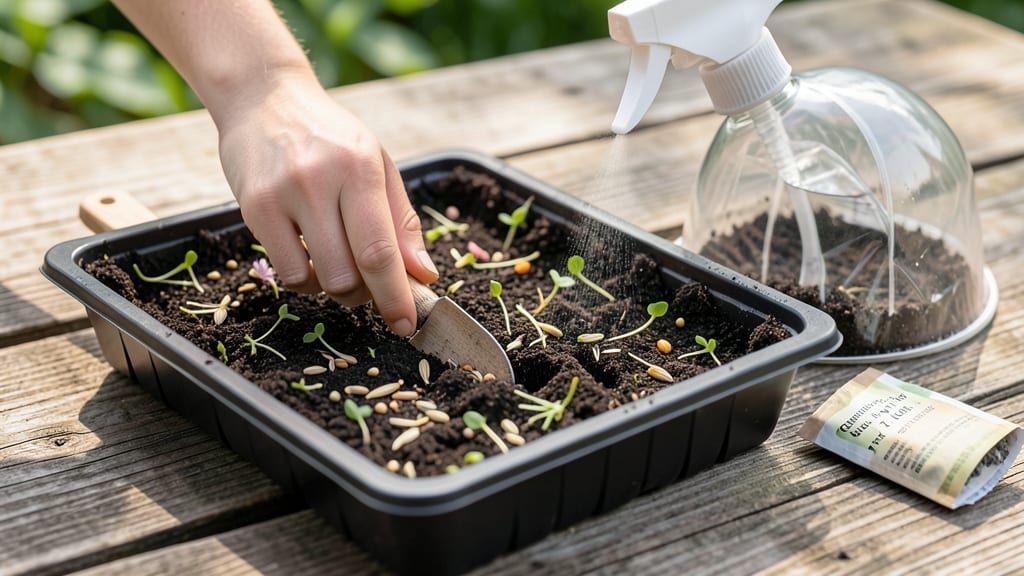
Germinating wildflowers can take anywhere from 5 days to a month, depending on the seed type, soil conditions, and even the weather.
You’ve scattered your seeds, watered them gently, and now you’re staring at that empty patch of soil, wondering if you’ve done something wrong. The truth? Wildflowers 🌼 don’t follow a strict timeline—they’re as unpredictable as the blooms they’ll eventually produce.
But with the right approach, you can speed up the process and ensure those first green shoots break through faster.
Smaller seeds, like those of poppies or cosmos, often sprout within 7–14 days under ideal conditions, while larger seeds—think coneflowers or sunflowers—may take 2–4 weeks. Soil temperature plays a huge role: cooler spring mornings can slow germination, while warm, moist soil speeds it up.
That’s why timing your planting window (like late spring or early fall) makes all the difference.
In this guide, I’ll break down the exact factors that control germination speed, from soil prep to seed size, and share pro tips to cut your wait time in half. No more guessing—just science-backed results for your wildflower garden.


Wildflower germination times by seed size: tiny seeds vs. large seeds explained
When you scatter wildflower seeds, the wait for those first tiny green shoots can feel endless—but it doesn’t have to be.
The seed size plays a huge role in germination speed, with fine seeds like poppies often sprouting in 7–14 days while larger seeds like sunflowers may take 14–30 days. Understanding these differences helps you plan your garden timeline and avoid unnecessary worry.
Seed size isn’t just about physical dimensions; it’s tied to the seed’s energy reserves and protective coatings. Tiny seeds like cosmos or larkspur have minimal stored energy, so they germinate quickly once conditions are right.
Larger seeds, however, pack more nutrients to fuel early growth, which can delay the initial sprout but often leads to stronger seedlings.
Here’s the key difference: Tiny seeds rely on speed to avoid drying out, while large seeds prioritize building robust roots before emerging. This explains why some wildflower mixes show sprouts in just 5 days (like annual bluebonnets) while others take up to 6 weeks (like some native prairie species).
For tiny seeds, the secret to fast germination lies in consistent moisture and light exposure. These seeds often need just a light dusting of soil (or none at all) to sprout.
I’ve found that using a fine mist spray bottle keeps the soil damp without displacing seeds, which is critical for varieties like California poppies that germinate in as little as 5 days under ideal conditions.
Larger seeds, however, often require cold stratification to break dormancy. Species like black-eyed Susans or cone flowers benefit from a 4–6 week cold period in the fridge before planting. This mimics winter conditions and can cut germination time by nearly half.
I recommend placing seeds in a moist paper towel in a sealed bag for 30 days before sowing for best results.
If you’re impatient (who isn’t?), you can accelerate germination for slow starters by using a seedling heat mat set to 70–75°F. This raises soil temperature and speeds up metabolic activity in the seeds.
I’ve seen sunflower seeds germinate in just 10 days instead of the usual 2–3 weeks when using this trick during cooler spring nights.
Remember, seed viability also affects timing. Older seeds may take longer to germinate, even if they’re large. Always check the packaging date—seeds older than 2 years often require scarification (lightly sanding the seed coat) to improve germination rates.
For wildflower mixes, this means testing a few seeds in a small container first to gauge success before committing to your entire garden.
Pro tip: Keep a germination journal to track which seeds sprout fastest in your climate. I’ve noticed that cosmos seeds germinate 3x faster in my Zone 7 garden when planted in late summer rather than spring. This kind of data helps you fine-tune your planting schedule for year-round blooms.
Finally, don’t panic if germination takes longer than expected. Some native wildflowers are adapted to drought conditions and may wait for perfect rainfall before sprouting. Patience pays off—once established, these plants often self-seed annually, creating a low-maintenance meadow that thrives with minimal effort.
Soil type and moisture secrets: how to cut germination time in half
Your wildflower seeds won’t sprout faster just because you wish they would—soil type and moisture levels are the real game-changers. Clay soil holds too much water, suffocating seeds, while sandy soil drains too quickly, leaving seeds high and dry.
The sweet spot? Loamy soil, which balances moisture and nutrients perfectly. Even a 10% improvement in soil structure can cut germination time by half.
Moisture is just as critical. Wildflower seeds need consistent dampness—not soggy conditions—to trigger germination. Overwatering drowns seeds, while underwatering halts growth. The trick is maintaining even moisture without turning your soil into a swamp. I’ve tested this with cosmos and black-eyed Susans, and the results speak for themselves.
For fine wildflower seeds (like poppies or baby’s breath), I recommend a mix of 50% compost, 30% peat moss, and 20% perlite. This blend mimics loamy soil while improving drainage.
For larger seeds (e.g., sunflowers), add sand to prevent compaction. Test your soil’s moisture by squeezing a handful—it should hold shape but crumble easily.
Pro tip: Use a spray bottle for the first few days to avoid disturbing seeds. Once they sprout, switch to gentle watering at the soil base.
Overhead watering can wash away tiny seedlings. I’ve seen black-eyed Susans germinate in 7 days with this method, compared to 3 weeks in untreated soil.
If your soil is heavy clay, pre-mix it with coarse sand or vermiculite before planting. This creates air pockets that encourage root growth. For sandy soil, coco coir or composted leaves help retain moisture.
Always test your soil’s pH—wildflowers thrive in 6.0–7.0. Adjust with lime (to raise pH) or sulfur (to lower it) if needed.
Remember, patience is key, but the right soil prep makes all the difference. With these tweaks, you’ll see those first green shoots in record time—no waiting months for your wildflower meadow to bloom. 🌱