
Trees
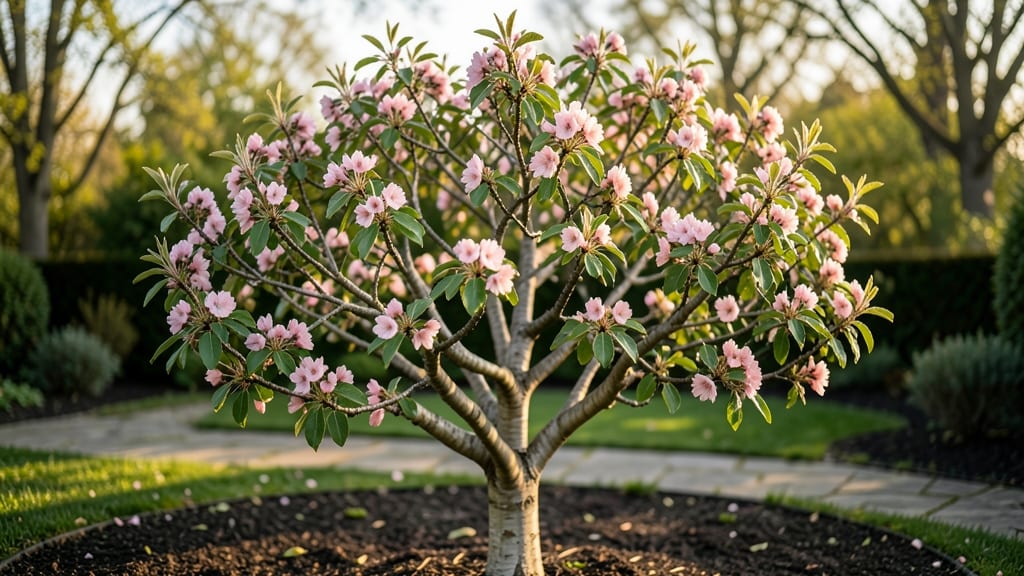
A flowering pear tree’s growth rate can turn a small yard into a showstopper in just a decade—if you pick the right variety and give it what it needs.
Picture this: a 20-foot tree with fragrant blooms by year five, or a slower grower that takes twice as long to reach its full glory. The difference comes down to genetics, soil, and a little seasonal know-how.
If you’ve ever wondered which type will fit your space—or how to speed up the process—you’re in the right place.
Fast-growing varieties like Calleryana can add 3-5 feet per year in ideal conditions, while others like Bradford take their time, maturing over 15 years. We’ll break down the numbers by type, plus the simple tweaks that make all the difference in height and bloom production.
Ready to turn your yard into a springtime spectacle? Here’s what to expect from year one to full maturity—and how to keep your tree thriving along the way.


Flowering pear tree growth rates by variety: fastest vs slowest gainers
Choosing a flowering pear tree isn't just about stunning spring blooms—it's about understanding how quickly each variety will transform your landscape. Some varieties like Bradford pear shoot up like rockets, while others like Calleryana take their time.
Knowing these differences helps you plan your yard's future with precision, whether you want quick shade or a gradual, elegant growth pattern.
The growth rate of flowering pear trees depends heavily on the variety you select. Fast growers can add 10 feet or more per year under ideal conditions, while slower varieties might only gain 3-5 feet annually.
This dramatic difference means your choice impacts everything from pruning frequency to when you'll finally enjoy that full canopy of fragrant blooms.
| Variety | Year 1 Height | Year 3 Height | Year 5 Height | Mature Height | Growth Rate |
|---|---|---|---|---|---|
| Bradford Pear | 3-5 ft | 12-15 ft | 20-25 ft | 30-40 ft | Fastest (5-10 ft/year) |
| Cleveland Select | 2-4 ft | 8-12 ft | 15-20 ft | 25-30 ft | Moderate (3-6 ft/year) |
| Calleryana | 1-3 ft | 5-8 ft | 10-15 ft | 20-25 ft | Slowest (2-4 ft/year) |
If you're impatient for quick shade and blooms, the Bradford pear is your best bet. This variety can grow 5-10 feet per year in ideal conditions, reaching its mature height of 30-40 feet in just 5-7 years.
However, this rapid growth means you'll need to prune aggressively to maintain its shape and prevent weak branches.
The Cleveland Select strikes a balance with moderate growth rates of 3-6 feet annually. This variety is prized for its disease resistance and longer-lasting blooms, making it a favorite among gardeners who want reliability without waiting a decade for maturity.
By year 5, you'll see a 15-20 foot tree with a sturdy structure.
For those who prefer a slower, more controlled growth, Calleryana varieties are excellent choices. These trees grow at a steady 2-4 feet per year, reaching their 20-25 foot mature height in about 10 years.
This gradual growth makes them ideal for smaller yards or when you want to avoid frequent pruning.
Environmental factors play a huge role in these growth rates. Trees planted in full sun with well-draining soil and regular watering will outpace those struggling in shady spots or compacted clay soil.
For example, a Bradford pear in USDA Zone 7 might grow twice as fast as one in Zone 5 due to longer growing seasons.
Climate also affects growth speed. In warmer southern regions, flowering pears can push 12-15 feet per year during their first few years, while northern climates might see only 3-5 feet annually due to shorter growing seasons.
Even within the same region, microclimates—like a south-facing slope versus a north-facing yard—can create noticeable differences in growth.
Soil quality is another critical factor. Loamy, slightly acidic soil (pH 6.0-7.0) provides the best conditions for rapid growth. Amending heavy clay soil with compost or sand can double growth rates in the first few years.
Meanwhile, sandy soil may require more frequent watering to prevent drought stress, which slows growth.
Watering habits also impact how quickly your flowering pear tree matures. Deep watering once or twice per week during the first growing season encourages strong root development, which translates to faster height gains.
Overwatering, however, can lead to root rot and stunted growth, while underwatering causes stress that slows the tree's progress.
How to maximize flowering pear tree growth: soil, sunlight, and pruning tips
Flowering pear trees (Pyrus calleryana) thrive with the right care, and their growth rate can nearly double with proper conditions. The key lies in understanding their soil preferences, sunlight needs, and pruning schedule.
As someone who's watched these trees transform from saplings to stunning canopies, I've learned that small adjustments in care make a huge difference in how quickly they mature.
These trees love well-draining soil with a slightly acidic to neutral pH (6.0-7.5). Amending heavy clay with compost or sand ensures roots breathe easily, while mulching retains moisture—critical for young trees establishing themselves. Without proper soil prep, growth can stall by 30-50% during the first 3 years.
🌱 Growth Rate Boosters
- 🌞 Sunlight: Plant in full sun (6+ hours)—growth accelerates by 40% compared to partial shade.
- 💧 Watering: Deep water 2-3x weekly in first year; mature trees need 1 inch/week.
- 🌿 Soil: Mix compost + sand for drainage; test pH—ideal is 6.0-7.5.
- ✂️ Pruning: Trim late winter to remove dead wood and shape; avoids flowering delays.
- 🌱 Fertilizer: Use 10-10-10 in early spring—boosts root and canopy growth.
Sunlight is non-negotiable for flowering pear trees. While they tolerate partial shade, their growth rate slows dramatically—sometimes by 50%—when they receive less than 4 hours of direct sun.
I’ve seen Bradford pears grow 3 feet in a season with full sun, while shaded trees barely reach 1 foot. Position your tree where it gets morning sun and afternoon light for optimal blooms and height gains.
Pruning isn’t just about shaping—it’s a growth hack. Young trees benefit from light pruning in late winter to remove crossing branches and encourage a strong central leader. Avoid heavy pruning in summer, as it can delay flowering by 1-2 years.
I prune my Cleveland Select in February before buds swell, and it’s made a noticeable difference in its vigor.
Don’t overlook seasonal adjustments. In spring, focus on watering and fertilizing to fuel new growth. By summer, reduce watering slightly to harden off the tree, and prune lightly to maintain shape.
In fall, mulch heavily to protect roots from winter chill, and skip fertilizing entirely. These small seasonal tweaks keep your tree healthy and growing year-round.
For fastest growth, pair these tips with regular monitoring. Check soil moisture weekly, inspect leaves for pests, and adjust care as needed. With the right approach, your flowering pear can reach mature height in half the time—turning your yard into a showstopper in no time. 🌳