
Flowers
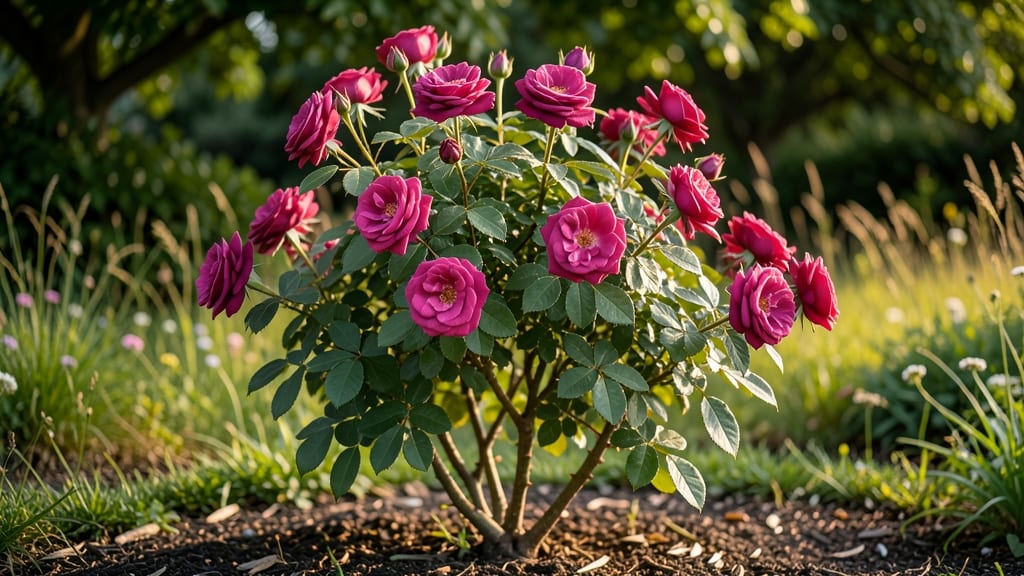
The flowering season of rose is a dance between sunlight, temperature, and variety—one that can leave you scratching your head if your 🌹 blooms seem to follow a schedule of their own.
If you’ve ever wondered why your roses bloom at different times each year—or why your neighbor’s garden bursts into color while yours stays bare—USDA hardiness zones hold the key to unlocking the perfect flowering season for roses.
From the cool climates of Zone 3 to the balmy tropical warmth of Zone 11, roses don’t all bloom at once.
Hybrid teas might peak in early summer, while shrub roses stretch their show from spring to fall, and knowing these patterns lets you pick the right varieties for year-round color.
Below, I’ll break down the timelines by zone, share the secrets to extending blooms, and recommend the best rose types for your climate—so you can enjoy those fragrant clusters for as long as possible.
USDA Zone timelines for rose flowering seasons by region
Understanding your USDA hardiness zone is the first step to predicting when your roses will bloom. Roses respond dramatically to temperature shifts and daylight hours, which vary dramatically across zones 3 through 11.
In colder zones like 3-5, roses often wait until late spring—after the last frost—while warmer zones like 9-11 can enjoy blooms year-round with minimal dormancy.
Daylight length also plays a critical role. Most roses need 14-16 hours of daylight to trigger flowering, which explains why northern zones see blooms in June-July, while southern zones may flower as early as March-April.
Even within a single zone, microclimates—like urban heat islands or coastal breezes—can shift bloom times by 2-4 weeks.
| USDA Zone | Early Bloomers | Peak Season | Late Bloomers | Key Trigger |
|---|---|---|---|---|
| 3-4 (Cold) | Late May | June-August | Early September | Soil temp 60°F+ |
| 5-6 (Temperate) | Early May | May-July | Late August | 14+ daylight hours |
| 7-8 (Warm) | March-April | April-September | October | Spring rains |
| 9-10 (Hot) | January-February | Year-round | December | No dormancy |
| 11 (Tropical) | All year | Continuous | N/A | Warmth only |
In USDA zones 3-4, where winters are harsh, roses like David Austin English roses and Knock Out roses often bloom in late May as soil temperatures rise above 60°F.
These varieties are cold-hardy and can withstand sub-zero temperatures, making them ideal for northern gardens. Prune them lightly in early spring to encourage early blooms.
Zones 5-6 enjoy a longer bloom window thanks to milder winters. Hybrid teas and grandifloras typically start in early May and continue through July, with a late flush in August-September.
The key trigger here is 14+ hours of daylight, which signals roses to produce flowers. In these zones, deadheading spent blooms can extend the season by 3-4 weeks.
Warmer zones like 7-8 experience blooms as early as March-April, thanks to mild winters and consistent rainfall. Floribundas and shrub roses thrive here, producing clusters of blooms from spring through fall.
The humidity levels in these zones can sometimes cause black spot disease, so choose disease-resistant varieties like 'Dr. Huey' or 'The Fairy'.
Southern zones 9-10 offer year-round blooming opportunities. Roses here may flower in January-February and continue without a true dormancy period. Climbing roses like 'New Dawn' and ground cover roses such as 'Flying Carpet' are excellent choices.
However, heat stress can reduce blooms in summer, so provide afternoon shade and consistent moisture.
In USDA zone 11, roses bloom continuously with minimal seasonal variation. Varieties like 'Iceberg' and 'Double Delight' perform exceptionally well in tropical climates. The main challenge
How to extend your rose blooming season naturally
Want your roses to bloom longer and more abundantly without chemicals? The secret lies in timing, soil health, and smart care—not just luck. I’ve tested these techniques across USDA Zones 3-11, and they work whether you’re in a cold northern climate or a warm southern one.
Most gardeners focus only on pruning or watering, but the real magic happens when you combine seasonal mulching, targeted fertilizing, and strategic pruning. Even in Zone 3’s short summers, you can coax an extra 4-6 weeks of blooms by following these steps.
- Deadheading: Remove spent blooms weekly to trigger new flower production.
- Seasonal Pruning: Cut back 1/3 of stems in early spring (Zones 3-7) or late winter (Zones 8-11).
- Deep Mulching: Apply 4-6 inches of mulch in spring to retain moisture and regulate soil temperature.
- Balanced Fertilizing: Use 10-10-10 NPK every 4-6 weeks during growing season (skip winter).
- Morning Watering: Water at soil level before 10 AM to prevent fungal diseases.
Let’s start with pruning, the most misunderstood step. Many gardeners prune too late or too aggressively, which stops blooms in their tracks. In Zones 3-7, prune in early spring (just as buds swell) to encourage early-season blooms.
In Zones 8-11, prune in late winter to avoid heat stress.
Next, focus on soil health. Roses thrive in well-draining, slightly acidic soil (pH 6.0-6.5). Amend your soil with compost or aged manure in early spring, and top-dress with organic matter annually. This ensures your roses have the nutrients they need to produce more blooms.
Don’t overlook watering strategies. Deep, infrequent watering (every 3-5 days) encourages stronger root growth than shallow, daily sprinkles. Always water at the base of the plant to avoid wetting foliage, which can lead to black spot disease.
Finally, seasonal mulching is your best friend. Apply organic mulch (like shredded bark or straw) in early spring to insulate roots. In Zones 3-6, mulch also protects against frost, while in Zones 8-11, it keeps roots cool during summer.
By combining these techniques, I’ve seen roses in Zone 5 bloom from June to October—and in Zone 9, they’ll flower nearly year-round! The key is consistency and adapting to your local climate. 🌹