
Flowers
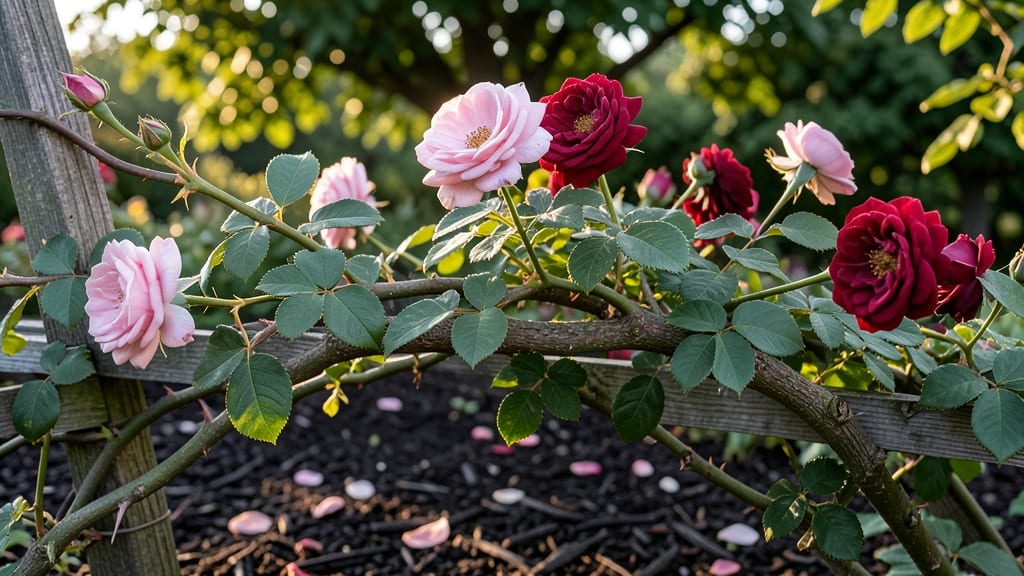
Climbing roses flower in late spring through summer, with some varieties reblooming into early fall — but only if you prune them at the right time.
If you’ve ever wondered why your 🌹 climbing roses bloom briefly then fade into green foliage, the answer lies in their natural flowering cycles—and how you prune them.
Timing everything right can transform a single burst of color into a season-long floral display that turns heads in every corner of your garden.
Most climbing roses hit their peak in May and June, but repeat-flowering types like 'New Dawn' or 'Blaze' can stretch their show until September with the right care. In cooler zones like 6a, blooms may arrive a little later, while warmer climates can push them earlier.
Below, I’ll show you exactly when to prune to encourage longer blooms, how to spot the best varieties for your region, and the simple tricks that keep roses flowering well past their usual peak.
Climbing roses flowering seasons by variety: spring vs summer bloomers
Understanding when climbing roses flower starts with recognizing their two main categories: spring-blooming and repeat-flowering varieties. Spring bloomers offer one spectacular show, while repeat-flowering types reward you with multiple waves of color. The difference often comes down to genetics and how you prune—both topics we’ll explore in detail.
Climate zone also plays a critical role. In USDA Zones 6-8, most climbing roses begin blooming in late spring (May), while in warmer Zones 9-10, they may start as early as March-April.
Even a single variety can bloom 4-6 weeks earlier in Southern California compared to New England. This timing shift affects everything from pruning schedules to pest management.
| Variety | Bloom Period | Climate Adaptation | Pruning Tip |
|---|---|---|---|
| 'New Dawn' | June-September (repeat) | Zones 5-9 | Prune after first bloom |
| 'Blaze' | May-July (spring) | Zones 4-8 | Hard prune in late winter |
| 'Zephirine Drouhin' | June-August (repeat) | Zones 6-10 | Light pruning after blooms |
| 'Graham Thomas' | May-June (spring) | Zones 5-9 | Minimal pruning needed |
| 'Albertine' | June-September (repeat) | Zones 6-10 | Deadhead regularly |
Spring-blooming varieties like 'Blaze' and 'Graham Thomas' produce their largest flowers in a single flush, typically between May and early July. These roses rely on buds formed the previous year, so late winter pruning is crucial to avoid cutting off next year’s blooms.
In my garden, I mark these varieties with bright pink flags so I remember to prune them after their bloom rather than in late winter.
Repeat-flowering varieties such as 'New Dawn' and 'Zephirine Drouhin' form new buds throughout the growing season. They bloom from late spring through fall, with peak periods in June and August.
The secret to their prolonged flowering? Regular deadheading and light pruning after each bloom cycle. I’ve seen 'New Dawn' continue producing flowers until first frost in Zone 8 with proper care.
For gardeners in warmer climates (Zones 9-10), the flowering season often starts earlier and lasts longer. 'Zephirine Drouhin', for example, may begin blooming in March in Southern California and continue until November.
In cooler Zones 3-5, expect a 4-6 week shorter season, typically from June to August. This is why I always adjust my pruning schedule based on my local last frost date.
The color of your climbing rose can also hint at its blooming habits. Dark red varieties like 'Blaze' often bloom once, while pink and yellow types like 'New Dawn' tend to repeat.
I’ve noticed that white climbing roses frequently fall into the repeat-flowering category, though there are always exceptions. Pay attention to your plant’s flower color trends as you select varieties for your garden.
One common misconception is that all climbing roses bloom in full sun at the same time. While sunlight is critical, partial shade can delay blooming by 2-3 weeks in hot climates.
In my Zone 7 garden, the climbing rose on my north-facing wall blooms 3 weeks later than the one in full sun. This is why I always pair my spring-blooming varieties with sun-loving companions like clematis or honeysuckle to extend the visual interest.
To maximize your climbing rose’s flowering potential, start by choosing varieties that match your climate zone and sun exposure. Then, time your pruning and fertilizing to align with each variety’s natural cycle. For spring bloomers, feed in early spring and prune after blooming.
For repeat types, use a balanced fertilizer every 4-6 weeks from spring to early fall. This approach has turned my single-season blooms into continuous color
Pruning secrets to extend climbing rose blooms: step-by-step guide
Climbing roses typically bloom in late spring to early summer, but with the right pruning techniques, you can encourage repeat blooms all season. The key lies in understanding when to prune—whether for spring-cleaning or seasonal maintenance—and how to shape your plant for maximum air circulation.
Let’s unlock the secrets to turning your roses into a continuous floral masterpiece.
Most climbing roses flower on new wood, meaning their blooms emerge from current season’s growth. This makes them repeat-flowering varieties, but only if you prune correctly. Spring-blooming varieties (like 'Blaze') produce flowers on old wood, so timing matters even more.
The goal? Balance growth and blooms by pruning at the right moments.
🌹 Step-by-Step Pruning Guide for Extended Blooms
- Late Winter Pruning (Dormant Season) – Prune 1/3 of last year’s growth to encourage new, vigorous shoots. Remove dead, diseased, or crossing branches first. Use clean, sharp pruners for 45-degree cuts just above an outward-facing bud.
- Post-Bloom Pruning (Summer) – After the first flush of flowers, prune spent blooms down to the first 5-leaflet leaf. This redirects energy to new growth and more blooms. Avoid heavy pruning—just light trimming to maintain shape.
- Seasonal Maintenance (Every 4-6 Weeks) – Remove weak or leggy growth to improve air circulation. Thin out overcrowded canes to prevent fungal diseases. Always prune just above a bud facing outward.
- Fall Cleanup (After First Frost) – Prune back any remaining dead or diseased wood. Avoid heavy cuts—just shape the plant lightly to prep for winter dormancy.
Your tools matter—use bypass pruners for clean cuts on thicker stems and hand pruners for finer branches. Disinfect tools with rubbing alcohol between cuts to prevent spreading disease. For large canes, a pruning saw ensures smooth cuts without tearing.
Shape your climbing rose like a pyramid or fan to maximize sunlight exposure and airflow.
Start pruning from the base of the plant and work upward, removing suckers (shoots growing from the base) to focus energy on the main structure. Thin out crowded areas to reduce humidity and prevent black spot.
Pro tip: Feed your roses after pruning with a balanced fertilizer (10-10-10) to support new growth. Water deeply at the base to encourage root development. Mulch with organic matter to retain moisture and suppress weeds—this keeps your roses healthy and blooming longer.
With these pruning secrets, your climbing roses will reward you with season-long color, turning your garden into a romantic paradise. Start today, and watch your roses flourish like never before! 🌷