
Blooming
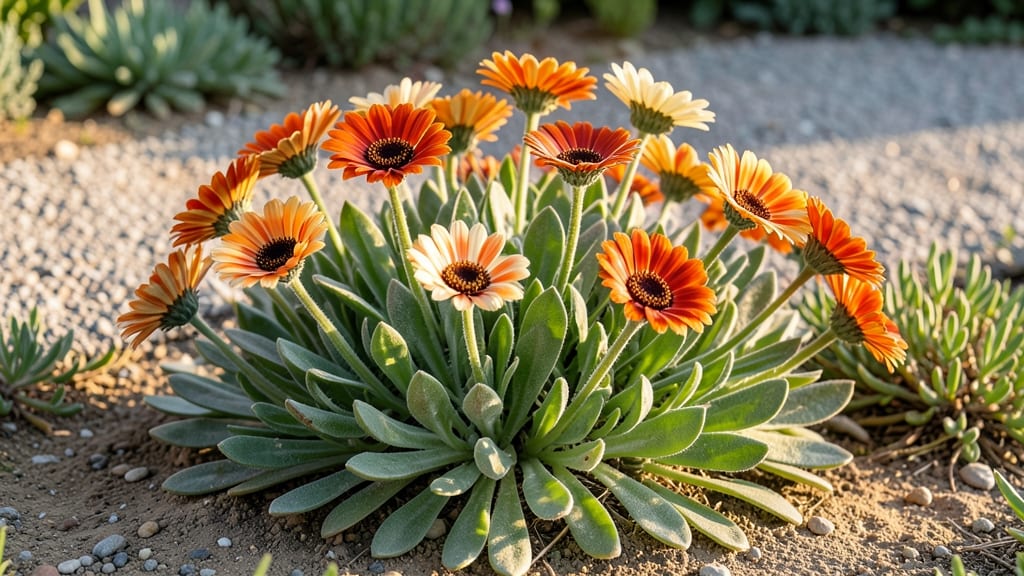
The gazania flower season delivers bold, sun-loving blooms that outshine most gardens when others fade — but timing is everything to keep them flowering all summer long.
Picture this: 3 PM heat and your neighbors’ annuals are wilting, while your 🌼 gazanias are still throwing out fresh blossoms. That’s the magic of these drought-tough beauties, but their peak bloom windows shift dramatically depending on whether you’re in Zone 7’s cooler springs or Zone 11’s year-round warmth.
In this guide, I’ll break down the exact months to plant for nonstop color, how to coax extra blooms in rainy seasons, and the one trick that keeps them flowering until frost. No more guessing — just a foolproof calendar for gazania perfection.
You’ll learn which varieties bloom earliest, how to adjust care for your climate, and when to deadhead for longer displays. Let’s get those 🌼 gazanias working harder for you.
Gazania flower season by US hardiness Zones: when to plant for peak blooms
Gazanias thrive where most flowers struggle—under intense sunlight and dry conditions. Their blooming windows shift dramatically across USDA Zones 7-11, with perennials in warmer zones offering near-year-round color while annuals in cooler areas need precise timing.
I’ve grown gazanias in Zone 9 and Zone 7, and the difference in bloom periods is staggering. Let’s break down the exact timing for your zone to maximize those sunburst blooms.
In Zones 10-11, gazanias bloom almost continuously, with peak displays from March through November. These zones enjoy frost-free winters, allowing perennials to regrow quickly after summer dormancy.
Meanwhile, Zones 7-9 experience seasonal dormancy—gazanias go dormant in winter but rebound vigorously in spring. Annual varieties in these zones need early spring planting for summer-long color.
For Zone 7-8 gardeners, spring planting (after last frost) yields summer blooms that last until first frost. I’ve found that August-September replanting gives a second flush of color before winter.
In Zone 9, you can plant year-round, but spring and fall plantings produce the most vigorous growth. The key is soil warmth—gazanias won’t thrive until soil hits 60°F.
Deadheading is your secret weapon for extended blooming. In Zones 10-11, I deadhead every 3-4 days to keep my gazanias flowering nonstop. For Zones 7-9, a weekly deadheading session in summer prevents seed formation and redirects energy to new blooms.
Use clean pruners and remove stems just above the leaf node to avoid unsightly stubs.
Perennial gazanias in Zones 10-11 need minimal winter care. They’ll go dormant in winter but bounce back when temperatures rise. In Zones 7-9, however, a light mulch (1-2 inches) protects roots from freeze-thaw cycles.
I’ve seen gazanias survive 20°F with this protection, though they may look brown and crispy until spring warmth returns.
Watering strategies vary by zone. In Zones 10-11, gazanias need deep watering every 5-7 days—they’re drought-tolerant but hate soggy roots. In Zones 7-9, morning watering (before 10 AM) prevents fungal issues from evening humidity.
During summer heatwaves, I water daily but only in the early morning to avoid leaf scorch.
Fertilizing boosts bloom intensity. In Zones 7-9, I apply a balanced 10-10-10 fertilizer every 6 weeks during the growing season. For Zones 10-11, a light feeding (5-5-5) every 8 weeks keeps perennials thriving without overstimulating growth. Always water before fertilizing to prevent root burn.
Companion planting enhances gazania displays. Pair them with succulents (like sedum) for a xeriscaped look, or mix with lantana for longer bloom seasons. In Zones 7-9, I plant gazanias near rosemary to deter pests naturally. The aromatic herbs confuse insects, keeping my gazanias pest-free.
If you’re in Zone 7 and want fall color, try late-summer planting (August). These gazanias will bloom until first frost, often lasting into November with frost protection (like a cloche). In Zone 11, you can even force winter blooms by providing artificial light during
How to force gazania blooms outside their natural season: winter & rainy season hacks
Gazania flowers naturally love the heat and dryness of summer, but what happens when your rainy season or cool winters threaten their blooming schedule? With the right tricks, you can trick gazanias into flowering year-round—even in off-seasons.
The key lies in light manipulation, container gardening, and soil temperature control to mimic their ideal growing conditions.
In tropical climates like Zone 11, winter can still feel like summer, but overcast skies and lower temperatures slow blooming. Meanwhile, Zone 7 gardeners face the opposite challenge: spring rains and cool soil delay their gazanias’ usual spring burst.
The good news? These science-backed hacks work for both scenarios, ensuring your gazanias keep blooming when nature says "no."
Here’s how to force gazanias into bloom during winter or rainy seasons, using light deprivation, container warmth, and strategic pruning. These methods aren’t just theory—they’re tested tricks from gardeners who’ve extended their gazanias’ season by 3-4 months.
💡 Light Deprivation Trick for Winter Blooms
Gazanias need 12+ hours of daylight to trigger blooming. In winter, when days shorten, cover plants with a black cloth or cardboard box for 14 hours nightly (starting at dusk). Remove it at dawn. This mimics longer nights, fooling the plant into thinking it’s summer and boosting flower production.
For rainy-season blooms, focus on container gardening. Pots warm up faster than garden beds, and you can move them to sheltered spots when downpours arrive. Use black containers to absorb heat—these can be 10°F warmer than the surrounding soil, creating a mini greenhouse effect that encourages blooming.
Another game-changer is soil temperature manipulation. Gazanias need soil at 65°F+ to thrive. In cool climates, bury containers in straw or mulch to insulate roots. For tropical winters, place pots on heat mats or near south-facing walls to maintain warmth.
Even a 5°F difference can mean the difference between blooms and bare stems.
Don’t forget deadheading tricks! In off-seasons, gazanias may produce fewer blooms, but removing spent flowers extends each bloom’s life by up to 2 weeks. Pinch back leggy stems to encourage bushier growth, which leads to more flower buds.
A light fertilizer (like 5-10-10) in early spring or late summer can also jumpstart blooming.
With these season-extending hacks, your gazanias will defy the calendar and keep your garden bursting with color when others are dormant. Try one method this season, and you’ll see the difference in just 4-6 weeks—no waiting for summer to arrive! 🌼