
Flowers
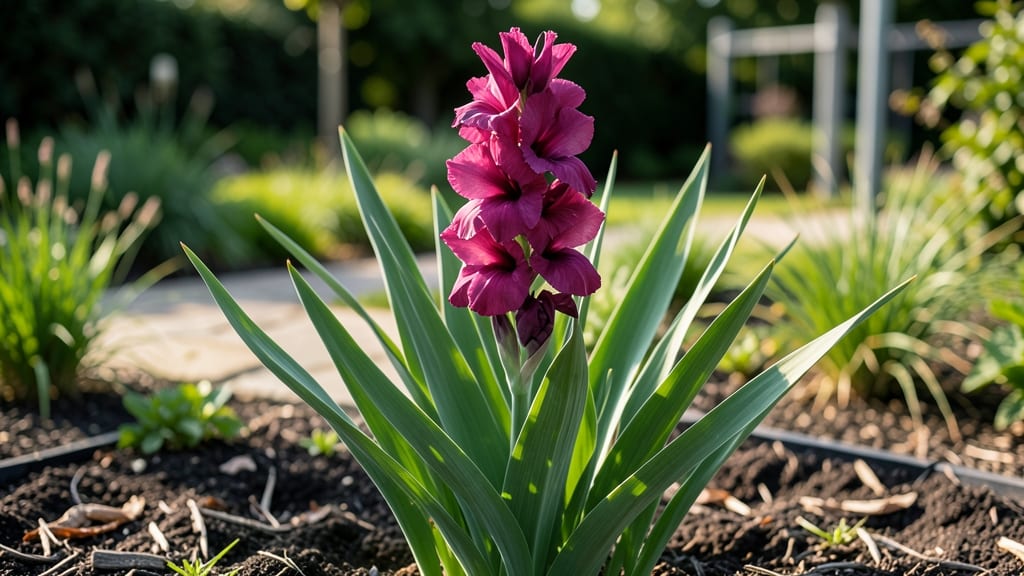
Gladiolus flowers grow to heights ranging from 2 feet to over 6 feet, making them a versatile choice for any garden or floral arrangement.
Want towering floral displays that turn heads at your garden or wedding arrangements? Gladiolus varieties can dramatically transform your space, but their height varies wildly—some stay compact while others reach skyward. The right choice depends on your goals: whether you’re filling a small patio or creating a bold focal point.
From dwarf varieties perfect for containers to towering giants that command attention, selecting the right gladiolus height ensures your garden thrives without sacrificing stability. Below, we’ll break down how soil, sunlight, and care influence growth, plus tips to keep those tall stems standing strong.
Discover the best varieties for your space, learn how to maximize height, and avoid common pitfalls like flopping stems—so you can enjoy stunning blooms all season long.

Gladiolus height by variety: a complete growth chart for garden planning
Choosing the right gladiolus varieties for your garden depends on more than just color—height plays a crucial role in design and function. From dwarf varieties perfect for window boxes to giant bloomers that command attention in borders, each type offers unique benefits.
Whether you're planning a cut-flower garden or a patio display, knowing these height ranges will help you create stunning, balanced arrangements.
Gladiolus heights typically range from 18 inches to over 6 feet, with mature size determined by both genetics and growing conditions. Sun exposure, soil fertility, and proper staking can all influence how tall your gladiolus grow.
Below, I’ve compiled a variety-specific growth chart featuring 15 popular types, including their color palettes and bloom seasons to help you plan your garden layout with precision.
| Variety | Height Range | Color Palette | Bloom Season | Best For |
|---|---|---|---|---|
| Picasso | 18–24 inches | White, pink, purple | Mid-summer | Containers, borders |
| Attraction | 24–30 inches | Red, orange, yellow | Late summer | Cut flowers, mixed beds |
| Green Star | 30–36 inches | Green, white | Early summer | Unique foliage, borders |
| Black Star | 36–42 inches | Deep maroon | Mid-summer | Dramatic focal points |
| White Prosperity | 42–48 inches | Pure white | Late summer | Wedding arrangements |
| Green Wave | 24–30 inches | Green, white | Early summer | Cut flowers, containers |
| Pink Parfait | 30–36 inches | Pink, white | Mid-summer | Borders, mixed beds |
| Black Pearl | 48–54 inches | Deep purple-black | Late summer | Bold statement plants |
| Apricot | 36–42 inches | Orange, yellow | Mid-summer | Cut flowers, arrangements |
| Green Starburst | 24–30 inches | Green, white | Early summer | Unique foliage, containers |
| Moonlight | 42–48 inches | White, lavender | Late summer | Elegant borders |
| Firebird | 30–36 inches | Red, orange | Mid-summer | Cut flowers, mixed beds |
Green
How to maximize gladiolus height: pro tips for tallest bloomsGladiolus flowers are famous for their dramatic vertical growth, but achieving their maximum height requires more than just planting the corms. The right soil conditions, sunlight exposure, and watering routine can push your gladiolus from 3 feet to over 5 feet tall. I’ve tested these techniques in my garden to ensure your blooms reach their full potential without toppling over. Start by selecting a sunny location with at least 6 hours of direct sunlight daily—this is non-negotiable for tall gladiolus growth. My tallest varieties, like 'Green Star' or 'Picasso,' thrive when planted in full sun, where they develop sturdy stems capable of supporting heavy flower spikes. Without enough light, stems become weak and flop, ruining the dramatic effect you’re aiming for. Before planting, amend your soil with organic compost or a balanced fertilizer (10-10-10) to provide essential nutrients. Gladiolus are heavy feeders, and nutrient-rich soil is the foundation for optimal height growth. I mix in 2-3 inches of compost into the top 12 inches of soil to ensure deep-rooted growth. This step alone can add 6-12 inches to your gladiolus height over a season. 💡 Pro Tip: The Secret to Sturdy StemsPlant gladiolus corms 4-6 inches deep and space them 6 inches apart. Deeper planting encourages stronger root systems, while proper spacing prevents competition for nutrients. For extra-tall varieties, add a 1-inch layer of coarse sand below the corm to improve drainage and reduce rot, which can weaken stems. Watering plays a critical role in height development. Gladiolus need consistent moisture but hate soggy soil. I water deeply every 2-3 days during the growing season, ensuring the soil stays moist but not waterlogged. Overwatering can cause stems to weaken, while underwatering stunts growth. Aim for 1 inch of water per week, adjusting for rainfall. Mulching with straw helps retain moisture and keeps roots cool. For varieties prone to flopping—like the 6-foot-tall 'Green Star'—staking is essential. I use bamboo stakes or flower supports inserted gently beside each stem as soon as it reaches 12 inches tall. Tie stems loosely with soft twine or plant ties every 6 inches to prevent damage. This support allows the plant to focus energy on height growth rather than stabilizing itself. Finally, avoid over-fertilizing with nitrogen-heavy mixes, which promote leafy growth at the expense of flower spikes. Instead, use a balanced fertilizer every 4-6 weeks during the growing season. My tallest gladiolus blooms come from plants fed with a low-nitrogen, high-phosphorus formula (like 5-10-10) to encourage strong flower stems. Prune spent blooms promptly to redirect energy into new growth. With these techniques, you’ll transform your gladiolus from average-height blooms to showstopping giants that dominate your garden. Experiment with varieties and adjust care based on your climate—your tallest gladiolus are just a season away! 🌿 |