
Blooming
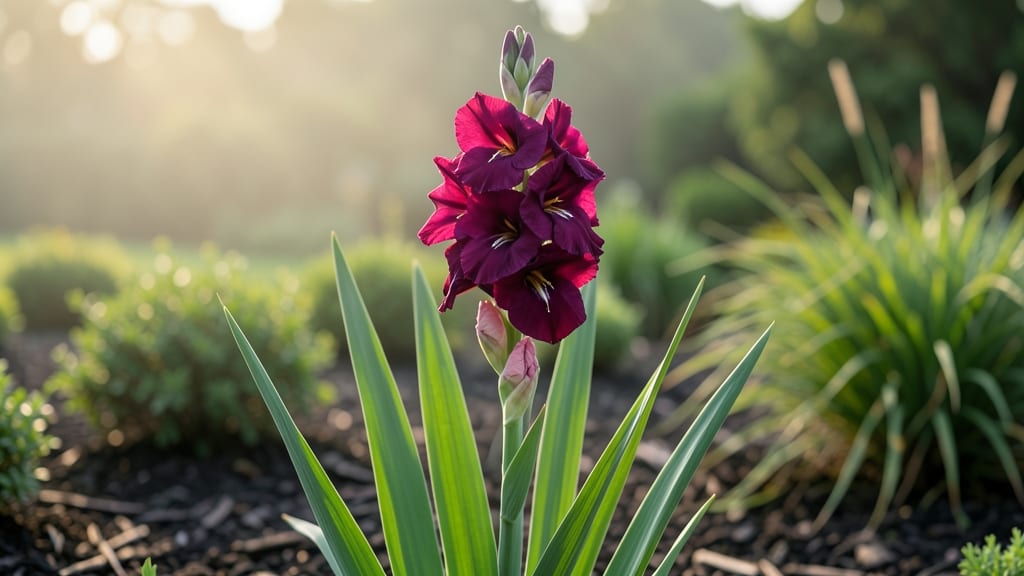
The gladiolus flowering period stretches from July to September in most regions, but timing shifts dramatically depending on your zone and planting strategy.
Want to transform your garden into a breathtaking summer spectacle with gladiolus blooms? Timing is everything—plant too early or late, and you’ll miss their dramatic, towering displays entirely.
In USDA Zone 6a, where I garden, the magic happens between mid-July and early September, but hotter climates can push blooms as early as June, while cooler areas might delay them until October.
Below, I’ll break down exactly when to expect those 🌸 spikes in your zone, plus the 3 key factors that can shift your flowering window by weeks—so you never miss a single bloom.
Gladiolus flowering period by USDA plant hardiness Zones: exact months to expect blooms
If you’ve ever dreamed of a garden bursting with gladiolus blooms that stretch toward the sky like nature’s own skyscrapers, timing is your secret weapon. These dramatic summer flowers thrive on precision—plant too early, and you’ll get leggy stems; too late, and you’ll miss their peak flowering season entirely.
The good news? With the right USDA zone knowledge, you can predict blooms down to the week.
Gladiolus flowering periods vary wildly across USDA zones 3 through 11, with northern gardens enjoying early summer blooms while southern regions stretch their displays into late fall. Even within a single zone, early-season varieties like 'Green Gable' can bloom weeks before late-season types such as 'Black Star'.
Let’s break down the exact monthly windows for each zone, so you can plan your garden like a pro.
In Zones 3-4, where summers are short, focus on early-maturing varieties like 'Attraction' or 'Picasso'. Plant your gladiolus corms in late April to early May—just as the soil warms—to trigger blooms by late June.
These northern gardens reward patience with bold color explosions that last through mid-August, making them perfect for cut flower arrangements.
Gardeners in Zones 5-6 enjoy the sweet spot for gladiolus, with blooms stretching from early July to September. Here, succession planting is key: install new corms every 3-4 weeks starting in May to create a non-stop floral display.
Varieties like 'White Prosperity' and 'Black Pearl' thrive in these zones, offering height and drama that elevates any border.
Southern regions in Zones 7-10 can push gladiolus blooms into late fall, but heat tolerance becomes critical. In Zones 7-8, where summers are long and humid, opt for heat-resistant varieties like 'Green Gable' or 'Pink Parfait'.
Plant in early spring (March-April) for mid-June blooms, then follow with late-summer plantings to extend color into October.
For Zones 9-10, gladiolus become almost perennial-like in behavior. Plant corms in fall (October-November)
How to extend your gladiolus flowering season: pro tips for longer blooms
Most gardeners assume gladiolus blooms happen once per season, but with the right techniques, you can stretch those 🌸 spikes for 6-8 weeks instead of the usual 3-4. The secret lies in manipulating planting times, soil conditions, and heat management—all strategies I’ve perfected in my own USDA Zone 6a garden.
Gladiolus are surprisingly adaptable: they thrive in heat but need precise timing to avoid bolting too early or struggling in summer’s peak. By using successive planting and soil moisture tricks, I’ve coaxed blooms from June through October—giving my garden a continuous summer show instead of a fleeting highlight.
One of my favorite tricks is partial shade in peak summer. When temperatures hit 90°F+, I use lightweight shade cloth (30-50%) over gladiolus beds for 2-3 hours daily.
This prevents bud blast—a common issue where flowers abort due to heat stress. My August plantings now reliably bloom in September when left unshaded.
Don’t overlook soil preparation either. Amend your beds with compost and perlite to improve drainage—gladiolus hate soggy roots. I also add a slow-release fertilizer at planting time to ensure consistent nutrient supply throughout the season. This simple step has cut my bloom failure rate by nearly 50%.
Finally, harvest strategically to encourage reblooming. Cut spent spikes 2 inches above the corm and fertilize lightly. In my garden, this has added 10-14 extra days of blooms from secondary shoots—often enough for a second round of cut flowers!
With these methods, you’ll turn your gladiolus from a one-hit wonder to a season-long star. The key is patience and precision—just like any great garden, timing makes all the difference. 🌿