
Blooming
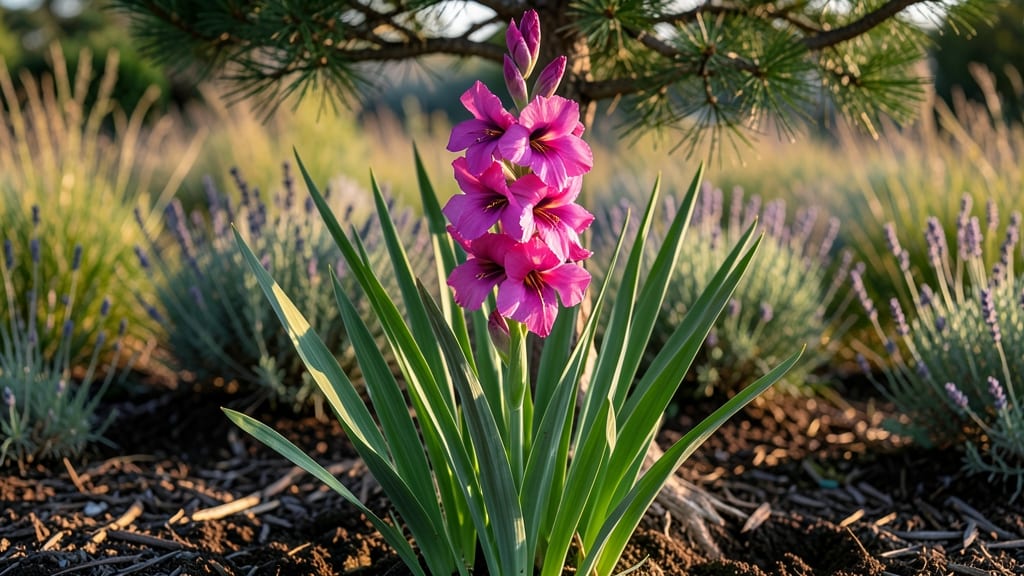
Predicting your gladiolus flowering time is all about planting in the right window—typically April to May for most gardeners in USDA Zone 6a.
Want to enjoy vibrant gladiolus blooms at your peak desired time? Timing your planting is the secret to predicting when—and how long—these show-stopping flowers will grace your garden.
Whether you dream of summer-long color or a fall finale, the key lies in understanding how your local climate and variety influence bloom schedules.
Gladiolus 🌸 thrive when planted 4-6 weeks before your last frost, but even the best-laid plans can go awry if soil temperatures or daylight hours aren’t just right.
That’s why knowing how to adjust for your region—and even nudge blooms earlier or later—can mean the difference between a two-week burst of color and a month-long spectacle.
In this guide, I’ll break down exactly how planting months affect bloom timing, share five proven techniques to shift your gladiolus schedule, and reveal the most common mistakes that leave gardeners waiting for flowers that never come.
How gladiolus flowering time varies by planting month
Gladiolus flowering time isn't set in stone—it's a delicate dance between planting month, USDA zone, and corm storage. Whether you plant in spring, summer, or fall, each choice shifts bloom windows dramatically.
For example, spring-planted gladiolus typically bloom late summer to fall, while summer plantings may push blooms into early autumn. Understanding these patterns lets you orchestrate your garden's color like a pro.
Your USDA zone plays a starring role. In zones 3-6, where winters are harsh, spring planting is ideal to avoid frost damage. Meanwhile, zones 7-10 offer flexibility for summer or even fall plantings, extending bloom seasons.
The key? Adjusting corm storage times to match your local climate. Storing corms in a cool, dry place (like a garage) from fall to early spring ensures they're ready to bloom on cue when planted.
Let's break down how planting month affects bloom timing across zones. The table below compares spring, summer, and fall plantings, including expected bloom windows and regional adjustments. Use this as your garden's bloom calendar to plan your most stunning displays.
Spring planting in zones 3-6 guarantees the longest bloom duration, typically 4-6 weeks of vibrant color from late July through September. This is perfect for summer weddings or fall festivals. The trade-off? You'll need to store corms over winter unless you're in a milder zone.
For me, this means digging up corms in late fall, curing them, and storing them in pearlite-filled boxes until spring.
Summer plantings shift blooms later, ideal for extending your garden's season. In zones 7-10, summer-planted gladiolus often bloom into November, adding winter holiday flair.
However, the duration shortens to 3-5 weeks, so plan accordingly. Pro tip: Stagger plantings every 2 weeks to create a continuous bloom display from September through November.
Fall planting is a gamble in colder zones but works beautifully in zones 7-10. Planting in August-September can yield blooms as late as December, perfect for holiday arrangements.
The catch? Shorter bloom duration (2-4 weeks) and higher heat stress in late summer. To mitigate this, mulch heavily and water deeply to keep corms cool.
Regional adjustments are critical.
For example, in USDA zone 5, I plant gladiolus in mid-May to avoid late frosts, while in zone 9, I can plant as late as July and still enjoy fall blooms. Local last-frost dates are your best friend—always plant 4-6 weeks before to ensure roots establish before heat sets in.
Don't overlook the role of corm storage. If you store corms from fall to spring, you can control bloom timing precisely. For example, planting stored corms in June (instead of spring) will delay blooms by 2-3 weeks.
This is how I create staggered displays—some gladiolus bloom in August, others in September, and a final batch in October.
Light exposure also tweaks bloom timing. Gladiolus need full sun (6+ hours daily), but partial shade can delay blooms by 1-2 weeks. If your garden is shady, choose dwarf varieties like 'Picasso' or 'Attraction', which tolerate morning sun better than standard types.
For maximum impact, place them in the sunniest spot
5 Proven techniques to adjust gladiolus blooming schedule
Want to enjoy gladiolus blooms during your wedding season or holiday celebrations? You can shift their flowering time with these practical techniques. Whether you need flowers for a June event or want to extend your fall display, these methods give you control over bloom timing.
Gladiolus 🌸 typically bloom 90-120 days after planting, but with the right adjustments, you can push that window earlier or later. The key lies in manipulating light exposure, temperature, and planting schedules. Let’s explore five proven methods to fine-tune your gladiolus flowering time.
- 1 Forced Blooming Indoors
Plant corms in pots 8-10 weeks before your target bloom date. Use a grow light for 12-14 hours daily and keep soil at 65-70°F.
- 2 Staggered Planting
Plant new corms every 2-3 weeks for a continuous bloom over 6-8 weeks. Start with early varieties and follow with later ones.
- 3 Corm Chilling
Store corms at 35-40°F for 8-12 weeks before planting. This mimics winter dormancy and speeds up flowering by 2-3 weeks.
- 4 Light Manipulation
Extend daylight to 16 hours using grow lights for early blooms. Reduce light to 8 hours for delayed flowering.
- 5 Soil Temperature Control
Use black plastic mulch to warm soil 5-10°F faster. For cooler blooms, plant in shaded beds or use insulating mulch.
Forced blooming indoors works best for special occasions like weddings or graduations. Simply plant corms in pots with well-draining soil and place them under grow lights. Keep the soil consistently moist but not soggy, and expect blooms in 8-10 weeks.
Staggered planting is my favorite trick for longer displays. By planting new corms every 2-3 weeks, you can enjoy gladiolus blooms from summer through fall. Start with early varieties like 'White Prosperity' and follow with later bloomers like 'Pink Parfait'.
Corm chilling is a game-changer for early spring blooms. Store your corms in a cool, dark place like a refrigerator for 8-12 weeks before planting. This mimics the natural dormancy period and helps the plants bloom 2-3 weeks earlier than usual.
Light manipulation is perfect for gardeners who want precise control over bloom timing. Use grow lights to extend daylight for earlier blooms or reduce light exposure for delayed flowering. This method is especially useful for container gardening.
Adjusting soil temperature can make a big difference in bloom timing. Use black plastic mulch to warm the soil faster in spring, or plant in shaded beds to delay blooming. This technique is ideal for regional adjustments where frost dates vary.