
How To
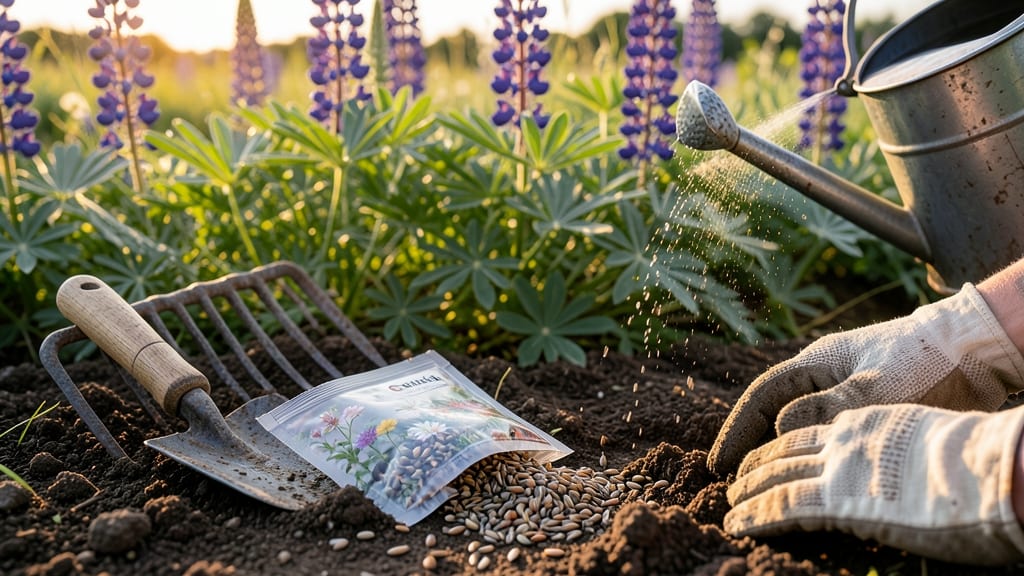
How fast do wildflower seeds grow? The answer varies wildly—some burst into blooms in just 6 weeks, while others take nearly a year to show their colors.
If you’ve ever planted a packet of seeds and stared at bare soil wondering when the magic will happen, you’re not alone. The truth is, your patience (or lack thereof) depends entirely on the type of wildflower you’re growing.
Fast-growing annuals like cosmos or zinnias can transform a patch of dirt into a riot of color in mere weeks, while perennials like black-eyed Susans or coneflowers play the long game, rewarding you with years of blooms. Knowing what to expect before you plant is the key to avoiding disappointment.
In this guide, I’ll break down the fastest varieties, the factors that speed up (or slow down) growth, and the simple tricks to get your wildflowers blooming as quickly as possible—no matter what kind you’re sowing.


Wildflower seed germination and growth timeline by fastest-blooming varieties
If you're dreaming of a vibrant wildflower meadow in just a few months, focus on the fastest-growing varieties. Some wildflower seeds can sprout in as little as 5 days and bloom within 6-8 weeks, while others take nearly a year.
The key is choosing the right mix of annuals and early-blooming perennials that thrive in your climate.
Annual wildflowers like cosmos and zinnias are champions for quick color, often blooming in 60-70 days from seed. Perennials like black-eyed Susans may take longer to establish but reward you with years of blooms. Understanding these timelines helps you plan for season-long color or instant impact projects.
Below is a detailed comparison of the top 10 fastest-blooming wildflower varieties, including their germination times, days to first blooms, and full maturity. This chart will help you select the perfect mix for your quickest possible meadow or garden borders.
| Variety | Germination Time | Days to First Bloom | Full Maturity | Notes |
|---|---|---|---|---|
| Cosmos bipinnatus | 5-10 days | 56-60 days | 90 days | Drought-tolerant, self-seeds |
| Zinnia elegans | 7-14 days | 60-70 days | 80-90 days | Cut flower favorite, heat-loving |
| Sunflower (Helianthus annuus) | 7-14 days | 60-80 days | 100-120 days | Fast-growing, attracts pollinators |
| Marigold (Tagetes spp.) | 5-10 days | 45-55 days | 60-70 days | Pest-repelling, compact growth |
| Alyssum (Lobularia maritima) | 7-14 days | 30-40 days | 45-55 days | Sweet fragrance, great for borders |
| Nasturtium (Tropaeolum majus) | 10-20 days | 50-60 days | 70-80 days | Edible flowers, fast-spreading |
| Calendula (Calendula officinalis) | 10-15 days | 50-60 days | 70-80 days | Medicinal properties, long blooms |
Sweet Alyssum (Lobularia maritima)
Why some wildflower seeds take months (or years!) To bloom—and how to speed it upWildflower seeds don’t all follow the same timeline—some annuals like cosmos and zinnias can bloom in just 6-8 weeks, while perennials such as black-eyed Susans or purple coneflowers may take 6 months to 2 years to reach their first flowers. This difference comes down to biology: annuals complete their life cycle in one season, while perennials focus on building roots before blooming. The growth speed also depends on your climate zone and how well you prepare the soil. In warm regions like USDA Zones 8-10, many wildflowers sprout faster due to longer growing seasons. But even in cooler zones, you can accelerate blooms with the right techniques—like choosing fast varieties, improving soil drainage, and timing your planting perfectly.
One of the biggest mistakes gardeners make is assuming all wildflower seeds grow at the same pace. Perennial seeds often need cold stratification (a chilling period) to break dormancy, which can add 4-8 weeks to their timeline. For example, lupines and columbines may lie dormant for months before sprouting. To speed things up, I recommend soaking seeds in lukewarm water for 24 hours before planting—or chilling them in the fridge for 4-6 weeks if they require stratification. Soil quality makes a huge difference. Wildflowers thrive in well-draining soil with a pH of 6.0-7.5. If your soil is heavy clay or sandy, amending it with compost or perlite can reduce germination time by up to 3 weeks. I always test my soil before planting—even a $10 pH kit from a garden center saves frustration later. For sandy soils, mix in peat moss to retain moisture, while clay soils benefit from coarse sand to improve aeration. Light requirements are another critical factor. Most wildflowers need full sun (6+ hours/day), but some, like foxglove or bleeding heart, tolerate partial shade. If your garden gets less than 4 hours of sun, choose shade-tolerant varieties like wild ginger or trillium, but expect slower growth. Pro tip: Use a sun calculator to map your garden’s light exposure—many are free online and save you from guessing. Timing your planting is the final piece of the puzzle. For fastest blooms, sow annuals like cosmos or poppies 2-3 weeks after your last frost date. In USDA Zones 3-5, this might be late May, while Zones 7-10 can plant as early as March. Perennials, however, often do better when planted in early fall—they establish roots before winter and bloom earlier the next year. Always check your local frost dates to avoid planting too early or too late. |