
Propagation
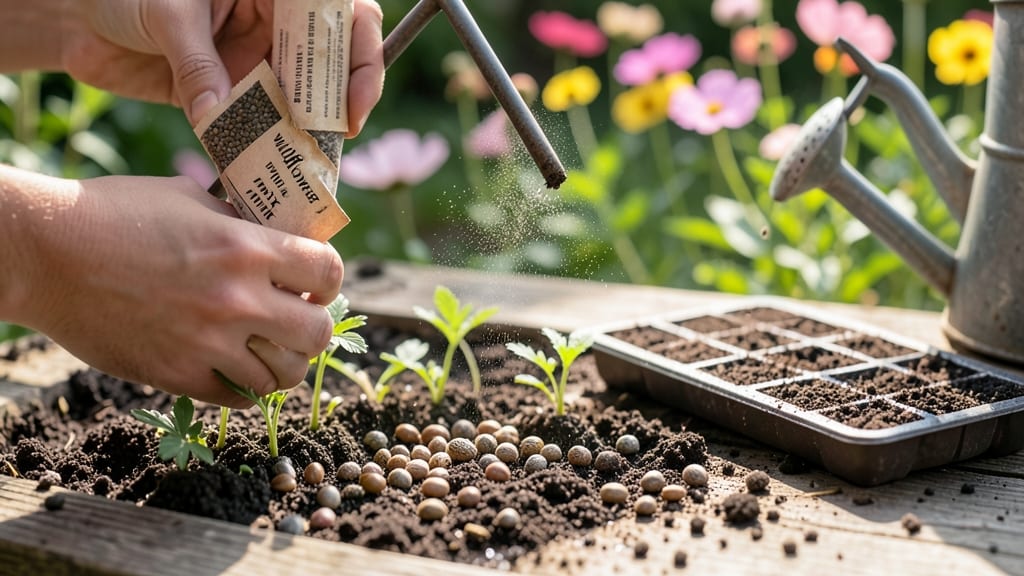
Wildflowers to germinate can take anywhere from 5 days to over 60 days, depending on the species and conditions you create.
You’ve probably scattered seeds in your garden, only to stare at bare soil for weeks, wondering if they’ll ever sprout. Some wildflowers, like cosmos or zinnias, pop up in as little as 7 days, while others—especially native perennials—may need 30 to 60 days to break through the soil.
The difference often comes down to soil temperature, moisture, and whether the seeds need a cold snap to wake up.
Understanding these timelines isn’t just about patience—it’s about setting yourself up for success. Too much moisture can drown seeds before they germinate, while soil that’s too cold might leave them dormant for months.
The key is creating the right conditions, whether that means a quick soak for fast germinators or a little frost treatment for the slow starters.
In this guide, I’ll break down exactly what to expect from different wildflower types, how to adjust your soil and watering for faster results, and a few tricks to coax even the trickiest seeds into sprouting.
No more guessing—just clear timelines and actionable tips to turn your garden into a blooming paradise faster.


Wildflower germination times by seed type: fastest to slowest species
Understanding wildflower germination times helps you plan your garden with confidence. Some seeds like cosmos and zinnias sprout in just 5–14 days, while others, such as black-eyed Susans or native milkweed, may take 60+ days to break dormancy.
The difference often comes down to seed type, soil conditions, and whether they require cold stratification.
Annual wildflowers typically germinate faster because they’ve evolved to spread quickly in a single season. Perennials, however, often have slower germination due to built-in survival mechanisms like thick seed coats or dormancy periods. Knowing these timelines helps you avoid prematurely disturbing soil or giving up too soon.
Below is a breakdown of wildflower germination rates, from the fastest-sprouting annuals to the slowest perennials and native species. I’ve also included tips for each category to maximize your success.
If you’re planting annual wildflowers like cosmos or zinnias, you’ll often see sprouts within 7–10 days under ideal conditions. These seeds are designed to germinate quickly, taking advantage of warm soil and moisture.
To speed things up, keep the soil consistently moist (but not soggy) and maintain temperatures between 60–75°F.
For perennial wildflowers, such as coneflowers or black-eyed Susans, germination can take 2–4 weeks. Some varieties benefit from a brief cold period to break dormancy, but others will sprout without it.
If you’re unsure, you can stratify seeds by mixing them with damp sand and refrigerating for 2–4 weeks before planting.
Native wildflowers, like milkweed or goldenrod, often have the longest germination times—sometimes 60+ days. This is because many native species rely on cold stratification or other natural cues to trigger sprouting. Planting them in fall often yields better results, as winter’s freeze-thaw cycles mimic their natural germination triggers.
One common mistake gardeners make is overwatering newly planted seeds, which can cause them to rot before germinating. Instead, aim for light, consistent moisture—think of it like keeping a damp sponge, not a soaked one. A spray bottle or gentle watering can works best for delicate seeds.
If you’re impatient and want to test germination before committing to a large area, try planting a small batch of seeds in a seed tray or paper towel.
Place it in a warm, sunny spot and monitor daily. This way, you’ll know exactly what to expect when you plant your full garden.
Remember, patience is key with wildflower seeds. Some may take longer than expected, especially if soil temperatures are cool or moisture levels fluctuate. If you’ve planted seeds and haven’t seen sprouts in 3–4 weeks, check for adequate moisture and consider whether your seeds might need stratification.
Once you understand these timelines, you’ll be better equipped to create a vibrant,
Soil conditions that speed up (or delay) wildflower germination
Wildflower seeds don’t all follow the same timeline, and your soil conditions play a bigger role than you might think.
For example, cosmos seeds can sprout in just 5–7 days with warm soil and consistent moisture, while black-eyed Susans might take 21–45 days if the soil is too cold or compacted.
The key factors—temperature, moisture, sunlight, and pH—can either accelerate germination or leave your seeds waiting for the perfect moment.
Let’s break down how each condition affects your wildflowers. Soil temperature is the most critical factor—most wildflower seeds need soil between 60°F and 80°F to germinate. If your soil is cooler, like in early spring, germination can stall for weeks.
Meanwhile, moisture levels that are too high can suffocate seeds, while too little can dry them out before they sprout. Even sunlight exposure matters: some seeds need light to trigger germination, while others prefer darkness.
Here’s a quick comparison of ideal vs. poor conditions to help you troubleshoot common germination failures:
✅ Ideal Conditions
- Temperature: 60–80°F
- Moisture: Evenly damp (not soggy)
- Sunlight: Full sun to partial shade
- Soil pH: 6.0–7.5 (slightly acidic to neutral)
- Germination Time: 5–21 days (fastest species)
❌ Poor Conditions
- Temperature: Below 50°F or above 90°F
- Moisture: Overwatered (soil erosion) or dry/cracked
- Sunlight: Deep shade (blocks light-dependent seeds)
- Soil pH: Below 5.0 (too acidic) or above 8.0 (alkaline)
- Germination Time: 30–60+ days (or fails entirely)
If your wildflowers aren’t sprouting on time, check your soil pH first—many wildflowers prefer a neutral to slightly acidic environment. A simple soil test kit (available at garden centers) can reveal if your soil is too alkaline or acidic.
For example, lupines thrive in alkaline soil (pH 7.0–8.0), while bluebonnets prefer acidic soil (pH 5.0–6.5). Adjusting your soil with lime (to raise pH) or sulfur (to lower pH) can make a huge difference in germination speed.
Another common mistake is overwatering. Wildflower seeds need moisture to activate, but standing water can cause rot or fungal growth before they even sprout. Instead of drowning your seeds, aim for consistent, even moisture.
Use a spray bottle or gentle watering can to keep the soil damp but not soggy. For larger seed batches, a soaker hose set to a light setting works wonders—it delivers water directly to the soil without disturbing the seeds.
Finally, don’t underestimate the power of sunlight. Some wildflower seeds, like poppies, need light to germinate and will fail if buried too deeply. Others, like foxgloves, prefer a bit of shade.
If your garden spot gets less than 6 hours of sunlight daily, consider starting seeds in a sunny windowsill or grow tray before transplanting them outdoors. A few minutes of morning sun can be enough to kickstart germination for light-loving species.
By tweaking just one or two of these conditions—like warming your soil with black plastic mulch or adjusting your watering routine—you can cut germination time in half.
The next time you scatter wildflower seeds, pay close attention to these factors, and you’ll see those first green shoots breaking through the soil in record time. 🌱