
Flowers
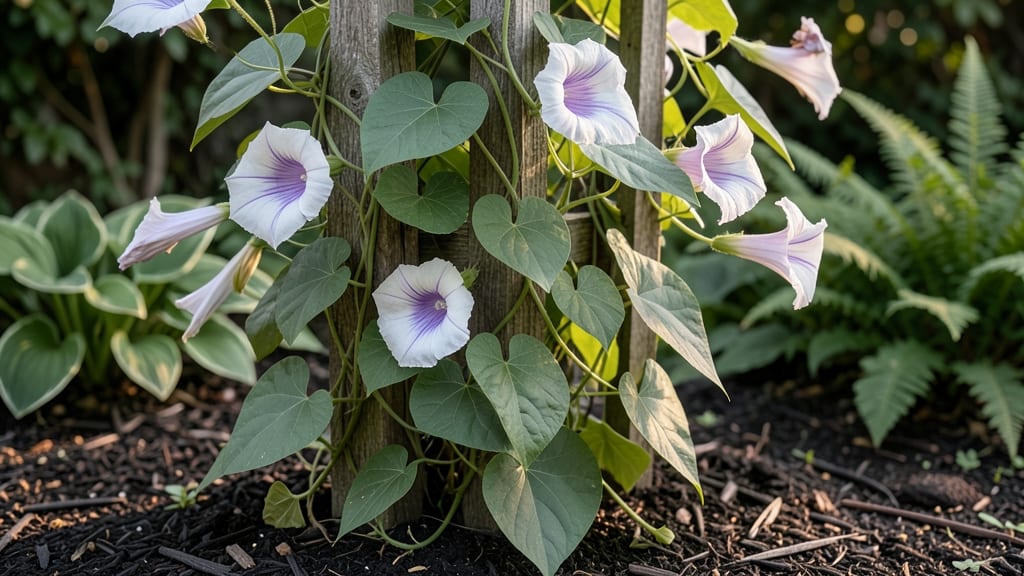
Moonflowers grow to a stunning 10 to 15 feet tall when given the right support and conditions, turning your garden into a nighttime wonderland with their fragrant white blooms.
Picture this: a vine that starts as a modest seedling but spirals upward, claiming every inch of your trellis by midsummer, only to reveal its magic as the sun sets.
That’s the moonflower’s secret—it doesn’t just grow tall; it grows dramatically, and the key lies in how you guide it.
Without proper trellising or a sturdy fence, those lush vines can sprawl instead of climb, leaving you with a tangled mess instead of a vertical masterpiece. But with the right setup—think sturdy arches, metal grids, or even a simple wooden frame—you’ll watch it reach new heights, quite literally.
In this guide, I’ll break down exactly how tall moonflowers can grow, what factors push them to their full potential, and the simple steps to turn your garden into a moonlit climbable escape. Ready to grow something extraordinary?


Moonflower growth height: how tall they climb and what affects it
Moonflowers (Ipomoea alba) are night-blooming vines that can transform your garden into a magical vertical display. Their natural climbing ability allows them to reach 10 to 15 feet in ideal conditions, with some exceptional vines even surpassing 20 feet when given perfect care.
This rapid vertical growth makes them perfect for trellises, pergolas, or even chain-link fences, creating a dreamy nighttime garden experience.
Their twining growth habit means they don’t need aggressive pruning to climb—just a sturdy support structure. Unlike some aggressive climbers, moonflowers grow 3 to 5 feet in their first year and can double that height in subsequent seasons.
This makes them one of the fastest-growing annual vines for dramatic vertical impact.
🌱
The sunlight exposure is one of the most critical factors influencing moonflower height. These vines thrive in full sun conditions, where they can absorb enough energy to fuel their rapid vertical growth.
In partial shade, their vines may grow slower and produce fewer blooms, often maxing out at 6 to 8 feet. If you're in a cooler climate, supplement with a south-facing trellis to maximize sunlight absorption.
Another key factor is the type of trellis or support structure you provide. Moonflowers use their twining stems to grip and climb, so a wide, sturdy trellis (like a wooden arbor or metal grid) encourages them to reach their full potential.
A narrow or flimsy support can limit their height, as the vines may struggle to find purchase. For maximum height, choose a trellis that’s at least 8 feet tall and provides multiple points for the vine to twine around.
🌿
Soil quality plays a surprising role in moonflower height. While they’re not overly picky, well-draining, nutrient-rich soil helps them grow faster and stronger. Amend your garden bed with compost or aged manure before planting to give them a nutrient boost.
In poor or compacted soil, their growth may slow, and they might not reach their full 10 to 15-foot potential. A light mulch around the base also helps retain moisture, which is crucial for their rapid vertical expansion.
Temperature and climate also affect moonflower height. These tropical vines love warm weather and can grow aggressively in USDA zones 9–11.
In cooler zones (like 6–8), their growth may slow, and they might only reach 6 to 10 feet unless you provide extra warmth with a cloche or row cover during early growth.
If you're in a short-season climate, start seeds indoors 4–6 weeks before the last frost to give them a head start.
🌡️
Pruning can also influence moonflower height, but it’s a delicate balance. While you don’t need to prune them aggressively, light pruning to remove dead or overcrowded vines can encourage healthier, straighter growth.
Avoid heavy pruning, as moonflowers rely on their rapid vertical expansion to reach their full height. Instead, focus on guiding the vines along your trellis and removing any that sprawl too much.
For gardeners in containers or small spaces, dwarf varieties like ‘Moonlight Compact’ can still reach 6 to 8 feet, making them perfect for balconies or patios. Even in these smaller forms, they’ll still produce those stunning night-blooming flowers that attract moths and other pollinators.
If you’re growing moonflowers in pots, ensure the container is at least 12 inches deep and has drainage holes to prevent root rot.
🪴
Finally, remember that moonflowers are annuals, meaning they complete their life cycle in one season. However, their fast growth rate means they can still reach impressive heights within 60–90 days of planting.
If you want to extend their climbing season, sow new seeds every 2–3 weeks—this staggered planting ensures a continuous vertical display from early summer through fall. With the right conditions, your moonflowers could turn your garden into a nighttime vertical paradise!☀️
Best trellis and support systems for moonflower climbing success
Moonflowers (Ipomoea alba) are natural climbers that need strong vertical support to reach their full 10 to 15-foot potential. Without the right trellis, their vines sprawl instead of soaring, leaving you with a tangled mess instead of a dramatic nighttime display.
The key is choosing a support system that matches their aggressive growth habits while keeping them healthy and upright.
I’ve found that wooden arches, metal grids, and DIY bamboo frames work best—each offering unique benefits for airflow, durability, and aesthetics. For example, wooden arches create a romantic, curved canopy, while metal grids provide sturdy, long-lasting support for heavy vines. Even a simple wooden fence can work if spaced correctly.
Here’s how to choose the perfect trellis for your moonflowers, plus spacing and pruning tips to keep them climbing like champions:
| Support Type | Max Height | Durability | Best For |
|---|---|---|---|
| Wooden Arches | 12-15 ft | Moderate (rot-resistant wood) | Aesthetic gardens, small spaces |
| Metal Grids | 10-20 ft | High (rust-proof) | Large gardens, heavy vines |
| DIY Bamboo Frames | 8-12 ft | Low (short-term use) | Budget-friendly, temporary setups |
| Wooden Fences | 6-10 ft | Moderate (depends on wood) | Privacy screens, existing structures |
When installing your trellis, space plants 12 to 18 inches apart to ensure proper airflow and prevent fungal diseases like powdery mildew. Moonflowers twine naturally, but crowded vines compete for nutrients, slowing their climb.
I recommend pruning side shoots in early summer to redirect energy upward—just snip back any stems that angle outward instead of upward.
For organic vs. synthetic supports, I’ve seen metal grids last for years with minimal maintenance, while wooden arches add charm but may need sealing every few seasons. Bamboo is a great budget option, but it’s best for short-term use or containers.
No matter what you choose, ensure the trellis is buried 6 inches deep or anchored securely to handle the weight of mature vines.
With the right support, your moonflowers will climb like they’re racing for the stars—literally. Just imagine waking up to a vine-covered trellis, ready to bloom under the moonlight. 🌙