
How To
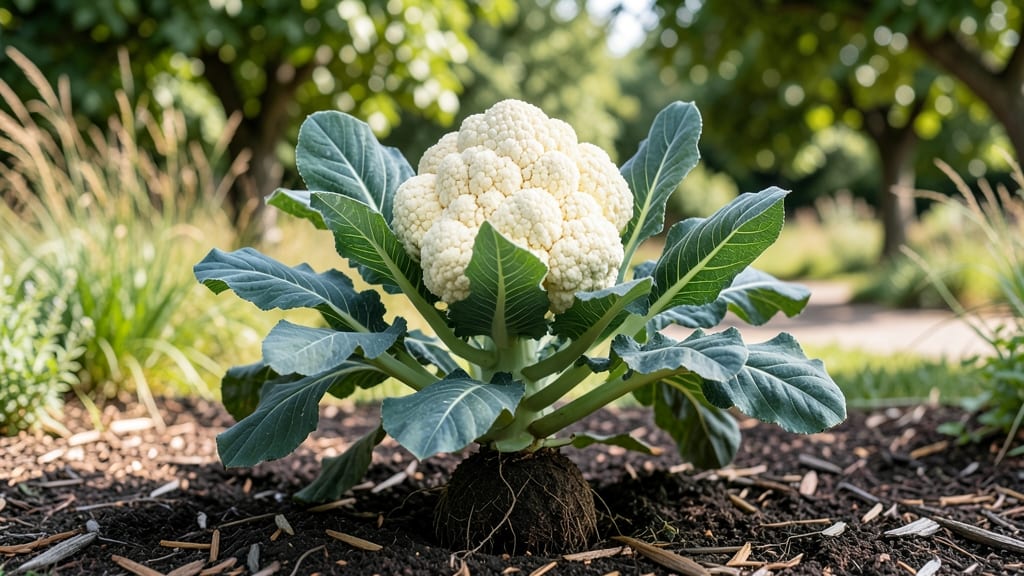
Cauliflower grows between 1 and 2 feet tall at maturity, but the exact height depends on the variety you choose—some stay compact while others reach nearly waist-high.
If you’ve ever squeezed a 🥬 into a tiny garden bed only to watch it sprawl, you know how quickly space can become an issue. The wrong variety can mean wasted room or stunted growth, and neither ends with a harvest-worthy head.
Dwarf types like ‘Snowball’ max out around 12–18 inches, making them perfect for containers or small plots, while standard varieties like ‘Romanesco’ can stretch to 24 inches or more. Spacing matters too—crowding tall plants leads to competition for sunlight and nutrients, which cuts your yield.
Below, I’ll break down the best varieties for your space, how to space them for maximum productivity, and a few tricks to keep even the tallest cauliflower from toppling over.


Cauliflower height by variety: compact vs. tall growing types
When planning your garden layout, understanding cauliflower height by variety is essential. Some varieties stay compact at just 12 inches tall, while others reach towering heights of 24 inches or more.
The right choice depends on your space, sunlight, and even your harvest goals. For example, dwarf varieties thrive in containers or small gardens, while tall varieties need more room to avoid shading neighbors.
Most gardeners overlook how cauliflower spacing directly relates to height. Tall varieties like 'Snowball Y Improved' need 24-36 inches apart to prevent competition, while dwarf types like 'Purple of Sicily' can grow just 12-18 inches apart.
This difference impacts everything from airflow to sunlight exposure, which are critical for preventing diseases like clubroot or downy mildew.
If you're growing dwarf cauliflower varieties, consider 'Purple of Sicily' or 'Graffiti', which stay under 18 inches tall and produce colorful, compact heads. These are perfect for container gardening or interplanting with shallow-rooted herbs like thyme or parsley.
Their smaller stature also makes them ideal for urban gardens where space is limited.
For medium-height varieties, 'Snowball Y Improved' is a classic choice, reaching 20–24 inches at maturity. This variety thrives in standard garden beds and produces large, creamy-white curds perfect for roasting or steaming.
Space them 18–24 inches apart to ensure proper airflow and prevent disease. This spacing also allows you to tuck in low-growing companions like lettuce or radishes between plants.
Taller varieties like 'Romanesco' or 'Cheesehead' can grow 24–30 inches tall, making them better suited for larger garden plots or raised beds. These varieties often produce unique-shaped heads, like the fractal-like Romanesco or the miniature heads of Cheesehead.
To support their height, consider staking or trellising if your garden gets windy, as their heavy heads can flop over without support.
One common mistake is assuming all cauliflower varieties have the same height and spacing needs. For example, planting 'Gigante Nero di Sicilia', a giant variety reaching 30+ inches tall, in a small garden will lead to overcrowding and poor yields.
Always check the variety description before purchasing seeds or seedlings to avoid this pitfall. Pro tip: Label your plants with height expectations to keep track of their growth stages.
Another factor to consider is sunlight exposure, which varies slightly by height. Taller varieties may need full sun (8+ hours) to support their height, while dwarf varieties can thrive in partial shade (6 hours), especially in hot climates.
If you're growing cauliflower in containers, choose a dwarf variety and place it in a south-facing spot to maximize sunlight without overheating the soil.
For small-space gardeners, consider vertical growing techniques like trellising or using cage supports for medium-height varieties. This not only saves space but also improves air circulation, reducing the risk of fungal diseases.
For example, wrapping a tomato cage around a 'Snowball Y Improved' plant can provide the support it needs while keeping the garden tidy and organized.
Finally, remember that cauliflower height affects harvest timing. Taller varieties often take 70–80 days to mature, while dwarf varieties may be ready in 50–60 days. Plan your garden layout with this in mind, especially if you're succession planting or rotating crops.
By choosing the right height category for your space, you'll ensure a healthy harvest and a well-organized garden all season long.
Ready to pick the perfect variety for your garden? Start by measuring your space and sunlight, then match it
How cauliflower height affects garden spacing and yield
Cauliflower height directly impacts your garden layout and potential harvest. Taller varieties like 'Romanesco' can reach 24 inches, while dwarf types like 'Purple of Sicily' stay under 18 inches.
This difference isn't just about aesthetics—it affects sunlight exposure, air circulation, and how many plants you can fit in a given space.
When planning your garden, spacing is everything. Tall cauliflower needs 18–24 inches between plants to prevent shading weaker neighbors, while dwarf varieties can be spaced 12–16 inches apart. Poor spacing leads to stunted growth or disease pressure from crowded foliage, cutting your yield by up to 30%.
Pros & Cons of Tall vs. Compact Cauliflower
- Pros: Larger heads, better for bulk harvests
- Pros: More productive in wide garden beds
- Cons: Needs more space (18–24" spacing)
- Cons: Risk of toppling in wind/rain
- Pros: Ideal for containers or small plots
- Pros: Easier to harvest and maintain
- Cons: Smaller heads (good for side dishes)
- Cons: Less yield per plant
Sunlight exposure is another critical factor tied to height. Taller plants cast shadows that can smother nearby seedlings, especially in spring or fall when sunlight is less intense. I recommend planting shorter varieties on the north side of taller ones to maximize light for all plants.
Yield also suffers when spacing is ignored. Overcrowded cauliflower competes for nutrients, leading to smaller heads and bitter flavors. For example, 'Snowball' cauliflower (12–18") can produce 4–6 heads per plant when spaced properly, but only 2–3 heads if crowded. Always follow variety-specific spacing guidelines!
If you're growing tall varieties in a small garden, consider trellising or staking to save space and improve airflow. Use bamboo stakes or cages to support plants, which also makes harvesting easier. Just avoid over-tightening—cauliflower needs room to grow its leaves.
Finally, avoid these common mistakes: planting tall and short varieties together without planning, ignoring soil fertility (which affects height), or skipping mulch (which can lead to uneven growth). With the right spacing and variety selection, you’ll maximize both space efficiency and harvest quality.