
Size
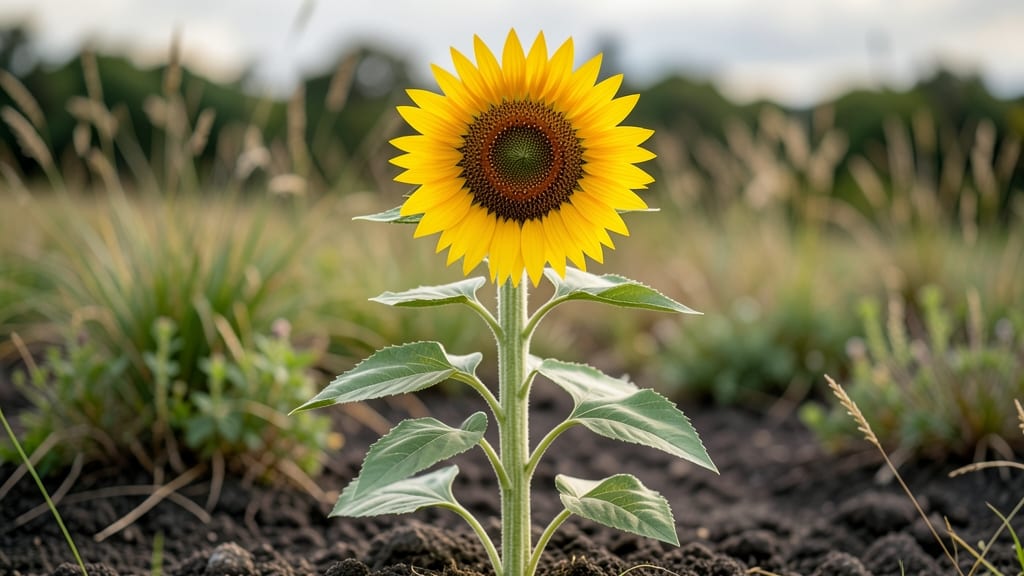
The Mexican sunflower size you choose can transform your garden from a wildflower meadow to a towering focal point — or a compact border that blooms all season long.
Picture this: a 12-foot sunburst of orange and yellow reaching over your patio, or a 3-foot variety framing a garden bed like a living frame. The difference isn’t just in height—it’s in how you plan, space, and even prune these dramatic plants.
With varieties ranging from dwarf types to giants that dwarf even your tallest neighbors, knowing the exact size expectations is the key to avoiding crowded beds or wasted space.
I’ll break down how each variety grows, what spacing works best, and how to control their size if they get too ambitious.
Whether you’re designing a pollinator paradise or squeezing sunflowers into containers, you’ll discover how to make Mexican sunflowers work for your space—no matter how big or small your yard.


Mexican sunflower height ranges by popular variety (with growth charts)
The Mexican sunflower (Tithonia rotundifolia) brings bold color to gardens, but its height varies dramatically by variety. Some stay under 3 feet, while others reach 12 feet or taller! Choosing the right variety ensures your garden layout balances beauty and practicality.
Whether you're creating a backyard focal point or a compact border, knowing the mature size helps you plan spacing and companion plants effectively.
Gardeners often struggle with overcrowding or underwhelming displays when they don’t account for height differences. For example, the 'Torch' variety can easily outgrow nearby perennials, while 'State Capital Series' varieties offer controlled heights perfect for containers.
Let’s explore the height ranges, growth rates, and ideal spacing for eight popular Mexican sunflower varieties to help you make the best choice for your space.
Pro Tip: Mexican sunflowers grow fastest in full sun (6+ hours daily) and well-draining soil. Their height progression accelerates in summer, so early planning is key. Below, we’ll compare varieties with a seasonal growth chart to visualize how each matures from spring to fall.
| Variety | Mature Height | Spread | Growth Rate | Ideal Spacing | Seasonal Growth Chart |
|---|---|---|---|---|---|
| 'Torch' | 8–12 ft | 2–3 ft | Fast (3–5 ft/year) | 6–8 ft apart | 🌱 Spring: 2–3 ft 🌿 Summer: 6–8 ft 🌳 Fall: 8–12 ft |
| 'State Capital Series' | 3–5 ft | 1–2 ft | Moderate (2–3 ft/year) | 2–3 ft apart | 🌱 Spring: 1–1.5 ft 🌿 Summer: 3–4 ft 🌳 Fall: 3–5 ft |
| 'Maxima' | 10–12 ft | 3–4 ft | Very Fast (4–6 ft/year) | 8–10 ft apart | 🌱 Spring: 3–4 ft 🌿 Summer: 7–9 ft 🌳 Fall: 10–12 ft |
| 'Golden Globe' | 3–4 ft | 1–1.5 ft | Slow-Moderate (1–2 ft/year) | 1.5–2 ft apart | 🌱 Spring: 0.5–1 ft 🌿 Summer: 2–3 ft 🌳 Fall: 3–4 ft |
| 'Mexican Sun' | 5–7 ft | 2–2.5 ft | Moderate-Fast (3 ft/year) | 4–5 ft apart | 🌱 Spring: 1.5–2 ft 🌿 Summer: 4–5 ft 🌳 Fall: 5–7 ft |
| 'Dwarf Sun' | 2–3 ft | 1–1.5 ft | Slow (1 ft/year) | 1–1.5 ft apart | 🌱 Spring: 0.5 ft 🌿 Summer: 1.5–2 ft 🌳 Fall: 2–3 ft |
| 'Sunburst' | 6–8 ft | 2–3 ft | Fast (3–4 ft/year) | 5–6 ft apart | 🌱 Spring: 2 ft 🌿 Summer: 5–6 ft 🌳 Fall: 6–8 ft |
| 'Firecracker' | 4–6 ft | 1.5–2 ft | Moderate (2–3 ft/year) | 3–4 ft apart | 🌱 Spring: 1–1.5 ft 🌿 Summer: 3–4 ft 🌳 Fall: 4–6 ft |
When selecting a variety, consider your garden’s vertical space and sunlight exposure. Taller varieties like 'Torch' or 'Maxima' thrive in open areas or as backyard accents, while
How Mexican sunflower size affects garden design (spacing & companion plants)
The Mexican sunflower's mature size isn't just about height—it dictates your entire garden layout. A 3-foot dwarf variety like 'Golden Globe' fits neatly in containers or borders, while a 10-foot giant like 'Maxima' demands serious space and staking.
The right spacing prevents competition for sunlight and nutrients, while companion plants can enhance their dramatic blooms or control their spread.
Your sunlight needs also shift based on size. Taller varieties cast deep shadows, so place them at the north end of beds to avoid blocking shorter plants. Dwarf types thrive in partial shade if needed, but all varieties demand at least 6 hours of sun for peak blooming.
Let's break down how to pair sizes with perfect companions.
| Variety | Mature Height | Spacing Needs | Sunlight | Design Score |
|---|---|---|---|---|
| 'Golden Globe' | 3-4 ft | 12-18" apart | Full sun | ⭐⭐⭐⭐⭐ (9/10) |
| 'Torch' | 5-6 ft | 24-36" apart | Full sun | ⭐⭐⭐⭐ (8/10) |
| 'State Capital Series' | 6-8 ft | 36-48" apart | Full sun | ⭐⭐⭐ (7/10) |
| 'Maxima' | 8-12 ft | 48-60" apart | Full sun | ⭐⭐ (6/10) |
Design Score: 10 = Perfect for mixed beds, 6 = Best as focal points
For dwarf varieties like 'Golden Globe,' space them 12-18 inches apart to create a dense border. Pair them with salvia or coreopsis—both thrive in similar conditions and won’t compete for space.
Their 3-4 foot height makes them ideal for container gardens or window boxes, where they spill over edges beautifully.
Taller varieties like 'Torch' (5-6 ft) need 2-3 feet of space on all sides. Plant them near shrubs like butterfly bush or ornamental grasses, which can handle their shade.
Avoid placing them next to low-growing perennials like lavender, as they’ll quickly overshadow them. Instead, use them as backdrop plants for roses or daylilies.
When working with giant varieties like 'Maxima,' plan for 5 feet of clearance in all directions. These sunflowers can reach 12 feet tall and need staking to prevent flopping. Place them at the back of borders or along fences to maximize their dramatic effect.
Companion plants should include deep-rooted perennials like coneflowers or black-eyed Susans, which won’t compete for nutrients.
Pro tip: If you’re short on space, prune Mexican sunflowers in early summer to control height. Cutting back by one-third encourages bushier growth and prevents them from becoming too top-heavy. This works especially well for medium-height varieties like 'State Capital Series,' turning them into multi-stemmed shrubs instead of single stalks.
Remember, Mexican sunflowers are heavy feeders, so mulch around their base to retain moisture and reduce competition from weeds. Their bright blooms attract pollinators, so place them near vegetable gardens or herb beds to boost your harvest.
With the right spacing and companions, these sunflowers will become the star of your garden design—without stealing the show from everything else. 🌻