
Planting
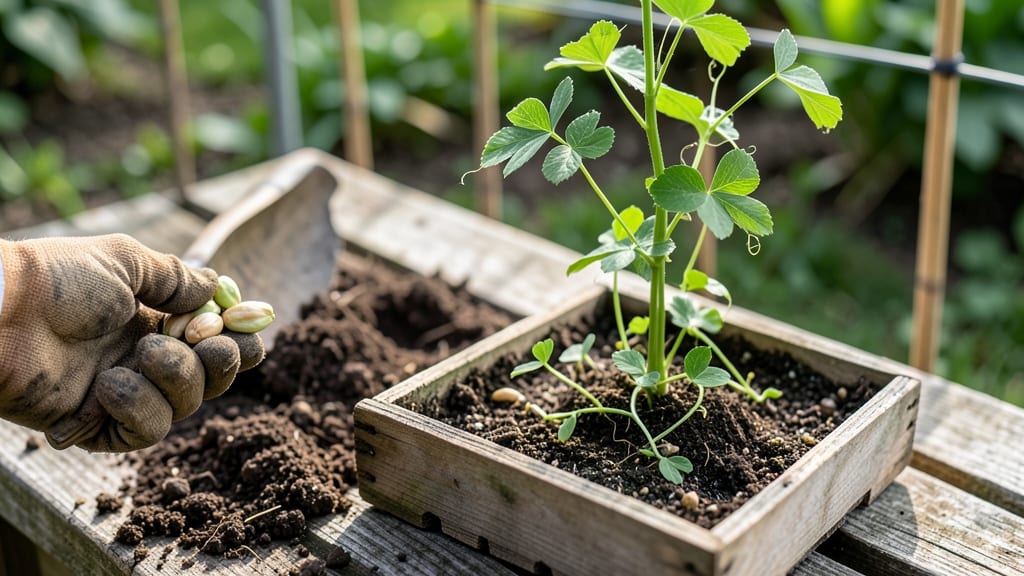
To plant sweet pea flower seeds 🌸 successfully, start by soaking them overnight—this trick speeds up germination by 50% and gives you stronger seedlings.
Sweet peas aren’t just fragrant climbers—they’re the secret to adding vibrant color to your garden, but only if you plant them right. The key to faster sprouting? Mastering soil moisture and timing, two factors most gardeners overlook.
In Zone 6, aim for March-April planting, about 4-6 weeks before your last frost. Too early and the soil stays cold; too late and the vines bolt before blooming. I’ll show you the exact moisture balance your seeds need to pop in 7-10 days, not weeks.
You’ll learn how to prepare soil, space seeds for airflow, and avoid the two biggest rookie mistakes—overwatering and shallow planting—that kill seedlings before they even peek through.


Step-by-step sweet pea seed planting guide for beginners
Sweet peas are one of the most rewarding flowers to grow from seed, but their delicate nature demands precision. The perfect planting window for most climates is 4-6 weeks before your last frost date—typically March to early April in Zone 6.
If you live in a warmer region, you can even start seeds indoors in February for an earlier bloom. The key? Timing your sowing to match soil temperatures between 45°F and 75°F for optimal germination.
Before you begin, gather your supplies: sweet pea seeds, a trellis or stakes, well-draining potting mix or garden soil, and a spray bottle for gentle watering. Sweet peas are cool-season plants, so they’ll thrive when other flowers are still dormant.
This makes them a perfect early-spring addition to your garden. Let’s dive into the exact steps to ensure your seeds sprout quickly and grow strong.
How to Plant Sweet Pea Seeds: A Beginner’s Checklist
-
Step 1: Prep Your Seeds
Soak sweet pea seeds in lukewarm water for 12-24 hours to soften the hard outer shell. This boosts germination rates by up to 30%. Drain and plant immediately after soaking. -
Step 2: Choose Your Location
Sweet peas need full sun (6+ hours daily) and a support structure like a trellis or fence. If planting in containers, use a deep pot (at least 12 inches tall) with drainage holes. -
Step 3: Loosen the Soil
Work 2-3 inches of compost into the topsoil for drainage and nutrients. Sweet peas hate soggy soil, so avoid heavy clay without amendments. Aim for a light, crumbly texture like cake batter. -
Step 4: Plant at the Right Depth
Drop seeds 1 inch deep in the soil, spacing them 2-3 inches apart in rows 18 inches apart. For containers, plant 2-3 seeds per pot (they’ll self-thin later). Don’t bury deeper—this delays germination. -
Step 5: Water Gently but Firmly
Use a spray bottle or fine rose nozzle to mist the soil until moist but not soggy. Aim for a consistently damp (not wet) environment. Overwatering causes seed rot, while underwatering stalls sprouting. -
Step 6: Maintain Moisture & Warmth
Cover seeds with a clear plastic dome or row cover to retain humidity. Place in a warm, sunny spot (60°F+). Check soil moisture daily—it should feel like a wrung-out sponge. Germination takes 7-14 days. -
Step 7: Thin Seedlings
Once seedlings have 2-3 true leaves, thin to 3-4 inches apart for dwarf varieties or 6-8 inches apart for standard types. Snip with scissors at soil level to avoid disturbing roots. -
Step 8: Provide Support Early
Install trellises or stakes as soon as seedlings are 4-6 inches tall. Sweet peas are vigorous climbers and need support to prevent sprawling. Use soft ties or twine to guide vines upward gently.
🌱 Pro Tip: If planting in containers, use a lightweight potting mix with perlite to prevent compaction as vines grow.
Now that your seeds are in the ground, the real magic happens with consistent moisture. Sweet peas despise dry spells during germination but also waterlogged soil. The ideal balance is soil that stays moist like a damp sponge—never dry, never soggy.
I like to test this by squeezing a handful of soil: if it holds shape but crumbles easily, you’ve got the perfect moisture level.
One common mistake beginners make is planting too late. If you miss the spring window, sweet peas can also be sown in late summer (August-September) for a fall bloom. However, these later plantings may not survive winter in colder zones.
Always check your last frost date and adjust accordingly. For example, in Zone 5, aim for May 1 as a cutoff for spring planting.
After your seedlings emerge, watch for yellowing leaves—a sign of overwatering or poor drainage. If this happens, reduce watering and ensure your soil has organic matter like compost to improve aeration.
Sweet peas are heavy feeders, so a balanced fertilizer (5-10-10) applied at 4-6 weeks will encourage lush foliage and abundant blooms.
Finally, don’t forget to harvest regularly to encourage more flowers. Snip blooms in the morning when they’re fully open but still fresh. This not only keeps your garden looking tidy but also prolongs the flowering season by stimulating new growth.
With these steps, you’ll have fragrant, climbing sweet peas in no time—ready to transform your garden into a fragrant paradise! 🌸
Optimal soil moisture conditions for sweet pea germination
Sweet pea seeds need consistent moisture to germinate, but getting the balance right is tricky. Too dry, and they’ll stay dormant; too wet, and they’ll rot before sprouting. The ideal soil moisture for sweet peas is like a damp sponge—evenly moist but never soggy.
Think of it as maintaining 60-70% humidity in the soil, which mimics their natural Mediterranean climate.
For outdoor planting in Zone 6, aim for 0.5-1 inch of water per week, delivered through rain or gentle watering. Use your finger to test: Push it 1 inch deep into the soil.
If it feels dry, water lightly; if it’s sticky, wait a day. This simple check prevents the two biggest germination killers—drought stress and root suffocation.
Indoor germination requires even more precision. Since pots dry out faster, keep the soil constantly moist by misting daily or using a humidity dome. Place a tray of water near your seedlings to raise ambient moisture to 75-80%. Without this, seeds may germinate slowly or not at all, leaving you frustrated after weeks of waiting.
| Condition | Outdoor Planting | Indoor Planting | Troubleshooting |
|---|---|---|---|
| Soil Moisture Level | 60-70% (damp sponge) | 75-80% (constantly moist) | Use a moisture meter or finger test |
| Watering Frequency | Every 2-3 days (light rain) | Daily misting or tray water | Adjust for temperature/drainage |
| Danger Signs | Cracked soil or wilting | Mold or blackened seeds | Reduce water if over-saturated |
| Germination Time | 7-14 days (ideal) | 5-10 days (with heat mat) | Use seedling heat mat for faster sprouts |
If your sweet pea seeds aren’t sprouting within 10-14 days, don’t panic—but do investigate. Cold soil (below 50°F) halts germination, while waterlogged soil triggers rot. To fix this, move containers to a warm, sunny spot (like a windowsill) and ensure pots have drainage holes.
Pro tip: Sprinkle a thin layer of perlite on top of the soil to improve aeration and prevent mold.
For outdoor beds, mulch with straw or shredded leaves after planting to lock in moisture without smothering seeds. This mimics the natural forest floor where sweet peas thrive, keeping roots cool and hydrated during Zone 6’s unpredictable spring rains.
Just avoid piling mulch directly on seeds—keep it 1 inch away to prevent rot.
Remember, sweet peas are sensitive to moisture swings. Once they sprout, reduce watering slightly to every 3-5 days and always water at the base of the plant to avoid fungal diseases like powdery mildew.
With the right balance, you’ll see those first delicate green shoots in under two weeks—proof you’ve cracked the moisture code! 🌱