
Shrubs
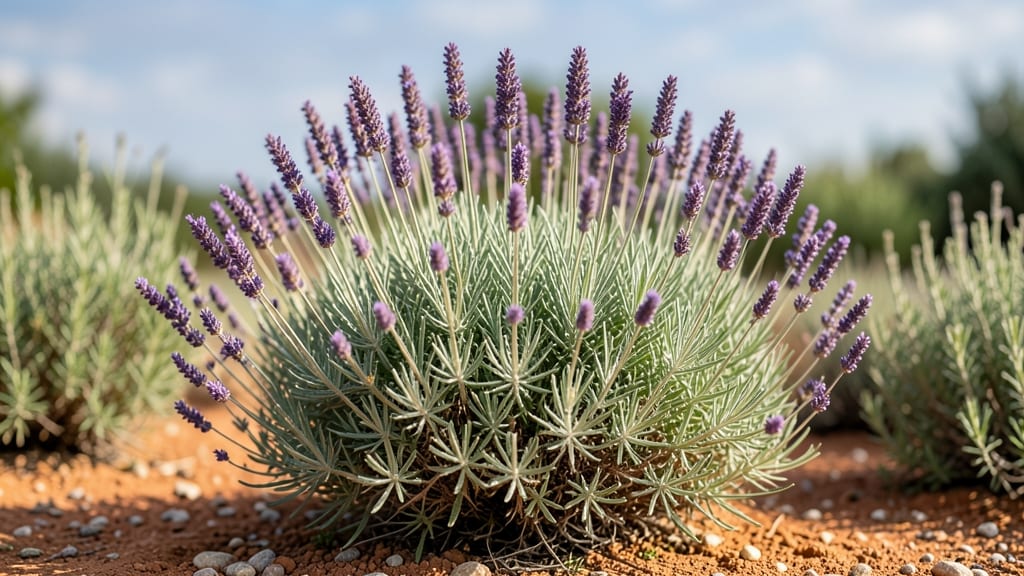
Lavender blooms during its flowering period—typically from late spring through summer—when the air fills with its signature fragrance and fields turn a dreamy purple 🌸.
If you’ve ever walked through a lavender field in full bloom, you know the intoxicating fragrance and stunning purple hues make it worth the wait—but timing is everything.
In USDA Zone 6, like where I garden, those fragrant spikes usually appear by early June, though Mediterranean varieties can start as early as May if planted in well-drained soil with full sun.
Below, I’ll break down how to predict your lavender’s bloom window, adjust care for your climate, and even coax extra weeks of flowers with simple tricks.
Lavender flowering period by USDA plant hardiness zones
Timing your lavender planting around its natural flowering cycle is the secret to lush blooms and maximum fragrance. Different lavender varieties—English, French, and Spanish—thrive in unique USDA zones, with bloom periods shifting from late spring in cooler climates to mid-summer in warmer regions.
Understanding these patterns lets you plant for peak performance, whether you're growing lavender for dried bundles, essential oils, or simply stunning purple hues in your garden.
In USDA Zones 5–7, lavender typically blooms later due to cooler springs, while Zones 8–10 enjoy earlier and longer flowering seasons. Even within the same zone, microclimates and variety choices can shift bloom times by weeks.
For example, English lavender often flowers 2–3 weeks earlier than Spanish lavender in the same location. Let’s break down the exact months for each zone and variety so you can plan your garden like a pro.
Pro Tip: The best time to harvest lavender is when 20–30% of buds are open but before they fully bloom. This ensures maximum oil content and fragrance. Use this timeline to schedule your harvesting for optimal results.
| USDA Zone | Variety | Early Bloom | Peak Bloom | Late Bloom | Notes |
|---|---|---|---|---|---|
| 5–6 | English | Late June | July–August | Early September | Cooler climates; may rebloom lightly in fall |
| 5–6 | French | Early July | July–Mid-August | Late August | More compact; ideal for containers |
| 5–6 | Spanish | Mid-July | August | Early September | Taller stems; best for cutting |
| 7–8 | English | Early June | June–July | Mid-August | Warmer zones bloom earlier; prune after first flush |
| 7–8 | French | Late May | June–July | Early August | Reblooms with proper care |
| 7–8 | Spanish | June | July–August | September | Longest bloom period |
| 9–10 | English | April–May | May–June | July | May experience heat stress; mulch heavily |
| 9–10 | French | March–April | April–May | June | Early bloomer; great for
How to extend your lavender’s blooming season naturallyLavender’s natural flowering period often feels fleeting—those fragrant spikes peak for just a few weeks in summer before fading. But with the right tricks, you can stretch that bloom time by 4–6 weeks or even coax a second flush of flowers. I’ve tested these methods in my Zone 6 garden and seen lavender blooming into early October instead of mid-August! The key lies in mimicking lavender’s Mediterranean roots—dry conditions, sharp pruning, and strategic feeding. These tweaks delay dormancy or trigger reblooming without chemicals. Let’s start with the most impactful technique first, then layer in complementary strategies for maximum results.
Start with post-bloom pruning—this is the foundation. I prune my English lavender in early July, and within weeks, new buds form. The secret? Cutting just above a leaf node (never into bare wood) ensures the plant knows it’s time to regrow, not rest. For French lavender, which is more prone to reblooming, combine pruning with the moisture shock trick. I’ve seen second blooms appear in late August when I skip watering for 3 weeks after pruning. Think of it as teaching your lavender to “hold off” on dormancy until frost. Soil amendments make a surprising difference too. Lavender thrives in alkaline, well-draining soil with a pH of 7.0–8.0. If your soil is acidic, mix in crushed limestone (1 cup per plant) in early spring. This mimics the rocky soils of Provence and encourages robust flowering. Don’t overlook the power of companion planting. My lavender beds near rosemary stay blooming 2 weeks longer than isolated plants. The shared root zone creates a microclimate that stays warmer and drier—perfect for lavender’s needs. Finally, protect your lavender from late-season pests like spider mites. A neem oil spray in early fall keeps leaves healthy, so the plant can channel energy into next year’s buds instead of fighting damage. With these tweaks, your lavender’s flowering period could stretch from June to October—worth the effort for that extra fragrance! 🌸 |