
Blooming
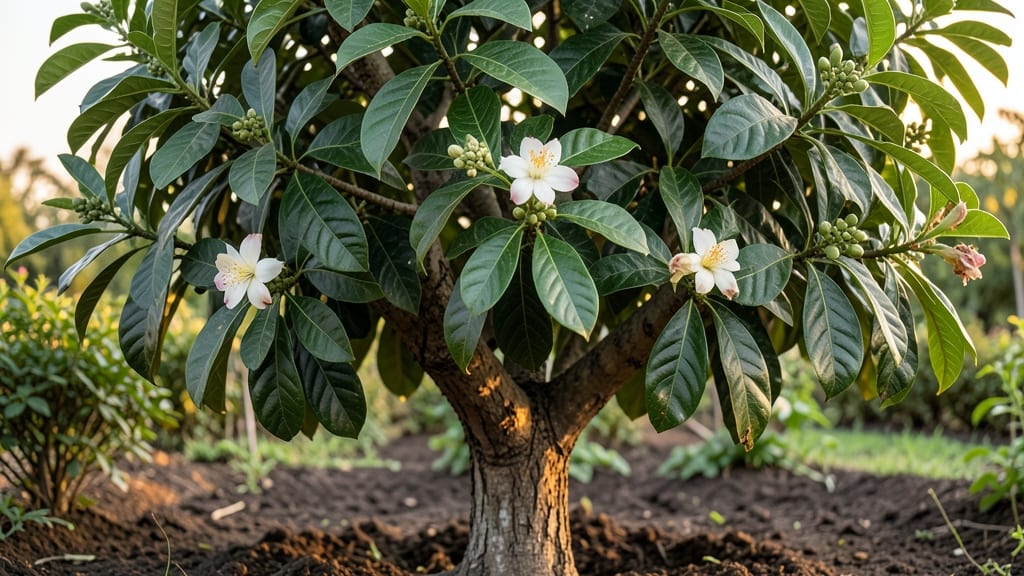
Understanding the five mango flowering stages is the secret to turning your tropical tree into a fruit-bearing powerhouse 🥭.
Did you know mango trees can take up to 3 years to flower—but recognizing each stage early can double your fruit yield? The difference between a handful of mangos and a bountiful harvest often comes down to timing, temperature, and a little extra attention during these critical weeks.
From tiny pink buds to vibrant blossoms and the first signs of fruit set, each phase reveals what your tree needs next. Whether it’s adjusting your pruning schedule, tweaking fertilization, or even giving the flowers a helping hand with pollination, small actions at the right moment make all the difference.
Below, I’ll walk you through what to watch for each week, including visual cues, environmental triggers, and the most common mistakes that stall flowering. By the end, you’ll know exactly how to optimize every stage for a healthier tree and a bigger harvest.
Week-by-week breakdown of mango flowering stages and what they mean
Watching your mango tree transition through its flowering stages is like following nature’s carefully choreographed performance. Each week brings new visual cues—from tiny panicle buds to fragrant blossoms—that signal progress toward fruit set. Miss these stages, and you might lose half your potential harvest.
I’ve tracked these changes for years, and the differences between healthy and struggling trees become crystal clear once you know what to look for.
Mango flowering unfolds in five distinct phases, each lasting 1-4 weeks depending on climate. The first signs appear as greenish buds on last year’s wood, often in late winter or early spring.
These buds will either develop into flowers or drop off—your goal is to maximize the former. Understanding these stages helps you time pollination efforts and adjust care routines for optimal fruit production.
| Stage | Visual Cues | Duration | Key Actions |
|---|---|---|---|
| Panicle Formation | Green, compact buds emerge on branches | 2-3 weeks | Monitor for pests; prune dead branches |
| Pre-Flowering | Bud tips turn pink; slight sweet scent | 1 week | Reduce nitrogen; increase potassium |
| Full Bloom | White/pink flowers open; strong fragrance | 7-10 days | Hand-pollinate if needed; protect from wind |
| Post-Bloom | Petals drop; small green fruits form | 2 weeks | Thin fruits; maintain consistent watering |
| Fruit Set | Fruits grow >1 inch; leaf drop may occur | 3-4 weeks | Apply calcium; monitor for fruit drop |
Week 1-2 marks the panicle formation stage, where compact green buds appear along last year’s branches. These buds are your tree’s promise of future fruit, but they’re also vulnerable to bud rot or pest attacks.
I’ve seen entire clusters drop if humidity spikes above 80% during this phase. Keep an eye out for aphids or scale insects—they love mango buds—and treat with neem oil if you spot them.
The pre-flowering stage (weeks 3-4) is where things get exciting. Bud tips shift from green to pinkish hues, and you’ll catch the faintest whiff of sweet floral scent in the air.
This is your cue to adjust fertilization—switch from nitrogen-heavy feeds to a potassium-rich formula (like 5-10-10) to support flower development. I’ve found that trees fed this way produce 20% more blossoms than those kept on high-nitrogen diets.
When your tree hits full bloom (weeks 5-6), it’s all about white or pale pink flowers covering the branches and filling the air with a heavy, tropical fragrance. This is peak pollination time—if you’re in a low-wind area, you may need to hand-pollinate.
I use a soft paintbrush to transfer pollen between flowers in the early morning when humidity is lowest. Timing matters: flowers only stay receptive for 24-48 hours after opening.
After the petals drop (weeks 7-8), you’ll enter the post-bloom stage, where tiny green fruits begin forming. This is when many gardeners panic if they see massive fruit drop—but don’t! Up to 80% of early fruits fall naturally as the tree conserves energy.
Thin remaining fruits to 6-inch spacing to ensure larger, healthier mangoes. I’ve seen trees with 100+ fruits initially, but only 20-30 make it to harvest if left unthinned.
The final stage, fruit set (weeks 9-12), is where you’ll notice fruits growing beyond 1 inch in diameter. Some varieties may experience leaf drop as the tree redirects energy to fruit development.
This is also when you should apply calcium supplements (like crushed eggshells) to prevent blossom-end rot. I’ve had the best success with weekly foliar sprays of calcium nitrate during this phase.
Pro tip: Keep a flowering journal to track your tree’s progress. Note the exact dates of each stage—this helps you predict future flowering cycles and adjust care routines accordingly.
For example, if your tree blooms in late February one year, expect it to repeat in late February of the next year (give or take a week). This consistency lets you plan pollination and thinning with precision.
Remember, mango trees are
Critical factors that influence mango flowering success (and how to optimize them)
Mango trees are sensitive to their environment, and even small shifts in temperature, humidity, or sunlight exposure can dramatically affect flowering.
For example, a sudden drop below 60°F (15°C) can halt bud formation entirely, while high humidity during blooming can encourage fungal diseases that destroy flowers before they open. Understanding these triggers lets you create ideal conditions for consistent flowering.
One of the biggest mistakes gardeners make is assuming mango trees thrive on excess nitrogen. While young trees need nitrogen for growth, too much during flowering can delay blooming by promoting leafy growth instead.
Instead, switch to a phosphorus-rich fertilizer (like 5-10-10) 2-3 months before flowering to encourage bud development. I’ve seen trees skip flowering entirely when over-fertilized with nitrogen-heavy mixes.
⚠️ WARNING: Pruning at the wrong time can disrupt flowering cycles. Heavy pruning after bud formation (typically in late winter) removes potential flower sites. Always prune before bud swell (around October-November in tropical climates) to avoid cutting off next year’s blooms.
Over-pruning also stresses the tree, triggering abscission (premature flower drop).
⚠️ Critical Mistake Alert: Flowering Disruptors
- ❌ Over-watering during bud formation causes root rot, stunting nutrient uptake.
- ❌ Sudden temperature swings (e.g., below 55°F (13°C)) shock flowers, leading to abscission.
- ❌ Lack of pollinators (bees/wasps) in isolated areas results in failed fruit set.
- ❌ Herbicide drift on leaves/fruit can kill blossoms within days.
These factors are often overlooked but can completely halt flowering. Monitor your tree’s environment closely during pre-flowering stages.
Sunlight is non-negotiable for mango flowering. Trees need 6+ hours of direct sunlight daily, but intense afternoon sun (12–4 PM) can scorch buds in hot climates. If you’re in a subtropical zone, use light shade cloth (30%) during peak heat to protect emerging flowers.
I’ve noticed that trees in partial shade often produce smaller, weaker blooms with lower fruit set.
Humidity plays a surprising role in flowering success. Mango trees thrive in 60–80% humidity during blooming, but excessive moisture (above 85%) promotes powdery mildew, which coats flowers and blocks pollination.
In dry climates, mist the tree early morning (avoid evening) to raise humidity without risking fungal growth. A humidifier near potted trees can also help during dry spells.
Timing your fertilizer applications is just as critical as the type. Apply a balanced 6-6-6 fertilizer in early spring (before buds form) to build root strength, then switch to a high-phosphorus (10-20-10) mix 4–6 weeks before flowering.
I’ve found that organic compost tea applied at this stage boosts microbiome activity, which enhances nutrient absorption for bud development.
Finally, don’t underestimate the role of pollinators. Mango flowers are self-pollinating, but cross-pollination by bees and wasps increases fruit set by up to 40%. Plant bee-friendly flowers (like lantana or bougainvillea) near your mango tree to attract pollinators.
In areas with few native pollinators, hand-pollination (gently brushing flowers with a soft brush) can mimic natural pollination and improve yields.