
Diseases
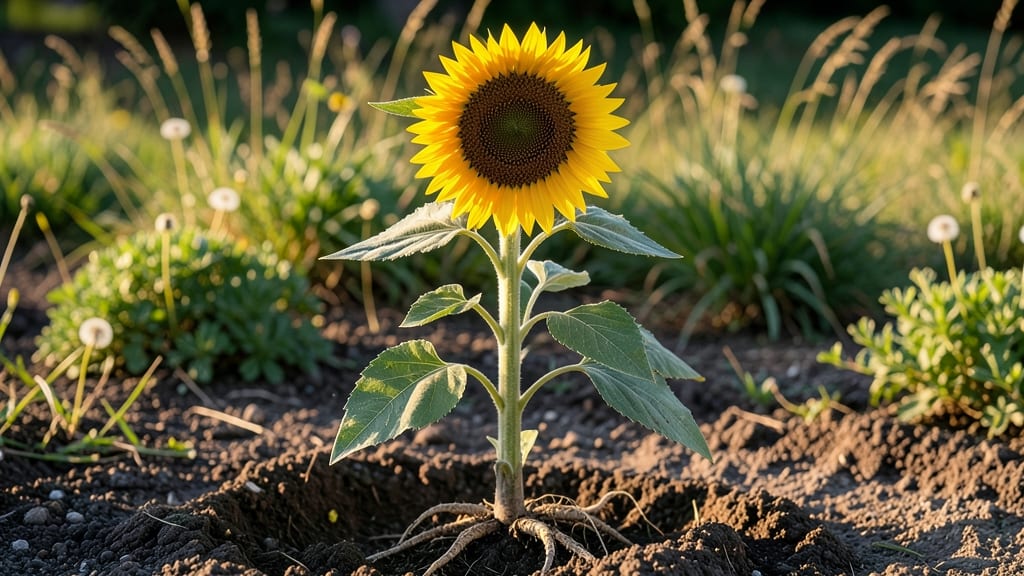
The depth of sunflower roots grows deeper than you might expect—often reaching 6 to 8 feet or more to anchor the plant and access moisture.
Did you know these towering 🌻 beauties can grow roots deeper than a human is tall? Understanding their root depth isn’t just fascinating—it’s crucial for planting, drought resistance, and maximizing your garden’s yield.
Too shallow, and your sunflowers may topple in wind or struggle during dry spells. Too deep, and you risk stunting growth by planting them incorrectly. The good news? With the right soil prep and planting techniques, you can encourage strong, deep roots that set your sunflowers up for success.
In this guide, I’ll break down exactly how deep sunflower roots grow, what affects their depth, and how to plant them for optimal stability and water access—so you can grow sunflowers that thrive from the ground up.
How deep sunflower roots grow: the science behind their stunning depth
Sunflowers are nature's skyscrapers, but their root systems are just as impressive as their towering stems. While most gardeners focus on the sunflower's striking blooms, their roots can plunge 6 to 10 feet deep into the soil—sometimes even deeper in ideal conditions.
This deep rooting habit isn't just a biological quirk; it's a survival strategy that helps them thrive in drought-prone areas and windy climates. Understanding this depth is key to planting them correctly and ensuring they reach their full potential.
The root depth of sunflowers varies by variety, but even dwarf sunflowers can develop roots that extend 3 to 5 feet below the surface. Giant varieties, like the Russian Mammoth, often exceed 10 feet in root depth.
This incredible reach allows them to access deep soil moisture and nutrients, making them more resilient than many other garden plants. Their roots also anchor the plant firmly, reducing the risk of toppling in storms—a common issue with their towering heights.
| Sunflower Type | Average Root Depth | Key Benefit |
|---|---|---|
| Dwarf Varieties (1-3 ft tall) | 3–5 feet | Stable in containers; ideal for urban gardens |
| Semi-Dwarf (4-6 ft tall) | 5–7 feet | Balanced drought resistance and wind stability |
| Standard (8-12 ft tall) | 7–10 feet | Excellent for deep soil; thrives in dry climates |
| Giant (12-15+ ft tall) | 10–15+ feet | Unmatched drought tolerance; anchors in windy areas |
The depth of sunflower roots is largely determined by the soil composition and moisture availability. In loose, well-draining soil, roots can penetrate more easily, reaching their full potential depth. However, in compacted or clay-heavy soil, roots may struggle to extend as deeply, often growing laterally instead.
This is why amending soil with compost before planting can significantly improve root development. Looser soil allows roots to explore deeper layers, accessing nutrients and water that shallow-rooted plants can't reach.
Another critical factor is the water table depth. Sunflowers are remarkably drought-tolerant once established, but their roots need to access moisture during the seedling stage. If the water table is too deep—say, 12 feet or more—young sunflowers may struggle to establish themselves.
In such cases, deep watering every 3 to 5 days during dry spells is essential to encourage root growth downward. Over time, this practice trains the roots to seek moisture at greater depths, mimicking natural conditions.
The biological purpose behind sunflower root depth is twofold: stability and resource access. Their deep taproots act like natural anchors, preventing the plant from toppling over in windy conditions—a common issue for plants that grow 10 feet or taller.
Additionally, these roots tap into subsoil moisture, which is often richer in nutrients than the topsoil. This adaptation is particularly valuable in arid regions or during summer droughts, where surface water evaporates quickly.
By understanding this, you can strategically plant sunflowers in areas where their root systems can thrive.
For gardeners in urban or container settings, where soil depth is limited, choosing dwarf or semi-dwarf varieties is a smart move. While their roots won’t reach as deep as their giant counterparts, they can still grow 3 to 7 feet deep in a 12-inch-deep container with proper care.
To maximize root growth in containers, use a well-draining potting mix and ensure the pot has adequate drainage holes. Regularly deep watering and fertilizing with phosphorus-rich compost will encourage roots to grow downward, even in confined spaces.
One common misconception is that sunflowers don’t need deep soil to grow well. However, in poor-quality or shallow soil, their roots may become stunted, leading to weaker plants that are more susceptible to pests, diseases, and wind damage.
To avoid this, conduct a simple soil test before planting. If your soil is clay-heavy or compacted, consider raising beds or amending the soil with organic matter like compost or peat moss. This improves aeration and allows roots to penetrate more easily, leading to healthier, more resilient plants.
In wind-prone areas, the depth of sunflower roots becomes even more critical. A plant with a well-developed root system is far less likely to snap or uproot during strong gusts.
To further enhance stability, plant sunflowers in groups of 3 to 5, spacing them 18 to 24 inches apart. This creates a natural windbreak while allowing each plant’s roots to intertwine slightly, providing additional support.
If you’re growing sunflowers in a high-wind zone, consider staking taller varieties or planting them near a fence or trellis for extra protection.
Finally, the depth of sunflower roots plays a surprising role in pollination success. Deeper roots often correlate with healthier,
Factors affecting sunflower root depth: soil, climate, and plant variety
Sunflower root depth isn't just about how tall the plant grows—it’s directly tied to soil composition, climate conditions, and the variety you choose. Heavy clay soil, for example, can restrict roots to just 2-3 feet deep, while loose, sandy soil lets them penetrate 6-8 feet or more.
This variation explains why some sunflowers wilt in drought while others thrive.
Climate plays a surprising role too. In arid regions, sunflowers develop deeper roots to access groundwater, sometimes reaching 10 feet or deeper. Meanwhile, in humid climates, roots may stay shallower because moisture is more accessible near the surface.
Understanding these factors helps you adjust planting strategies for your local conditions.
Here’s how soil type, moisture levels, and sunflower variety influence root depth—and what you can do to optimize growth:
- 🌱 Soil Type: Loose, well-draining soil encourages roots to grow 3-5 feet deep. Compacted or clay-heavy soil limits depth to 2-3 feet. Amend soil with compost or sand to improve aeration.
- 💧 Moisture Levels: Drought conditions force roots to dig deeper (up to 10 feet) for water. Overwatering can stunt root growth, keeping them shallow. Aim for deep, infrequent watering to encourage penetration.
- 🌻 Plant Variety: Giant sunflowers (like Mammoth) develop deeper roots (6-8 feet) for stability. Dwarf varieties (like Teddy Bear) have shallower roots (1-3 feet). Choose varieties suited to your soil and climate.
- ☀️ Sunlight Exposure: Full sun (6+ hours/day) boosts root growth. Partial shade can weaken roots, making them more susceptible to wind damage or drought stress.
- 🌡️ Temperature: Warmer soils (60-75°F) promote faster root development. Cooler soils slow growth, keeping roots shallow. Use mulch to regulate soil temperature.
If you’re growing sunflowers in heavy clay soil, consider raising beds or mixing in organic matter to loosen the earth. For sandy soils, add compost to retain moisture and nutrients. These adjustments can double root depth, giving your sunflowers the stability they need to reach their full height.
For drought-prone areas, select deep-rooted varieties like Russian Giant or Autumn Beauty. These varieties naturally develop longer taproots, making them more resilient during dry spells. Pair them with deep watering techniques to further encourage root penetration.
Remember, deeper roots don’t just mean taller sunflowers—they also improve nutrient uptake and wind resistance. By tailoring your approach to your soil and climate, you’ll set your sunflowers up for a stronger, healthier life from the ground up. 🌱