
Flowers
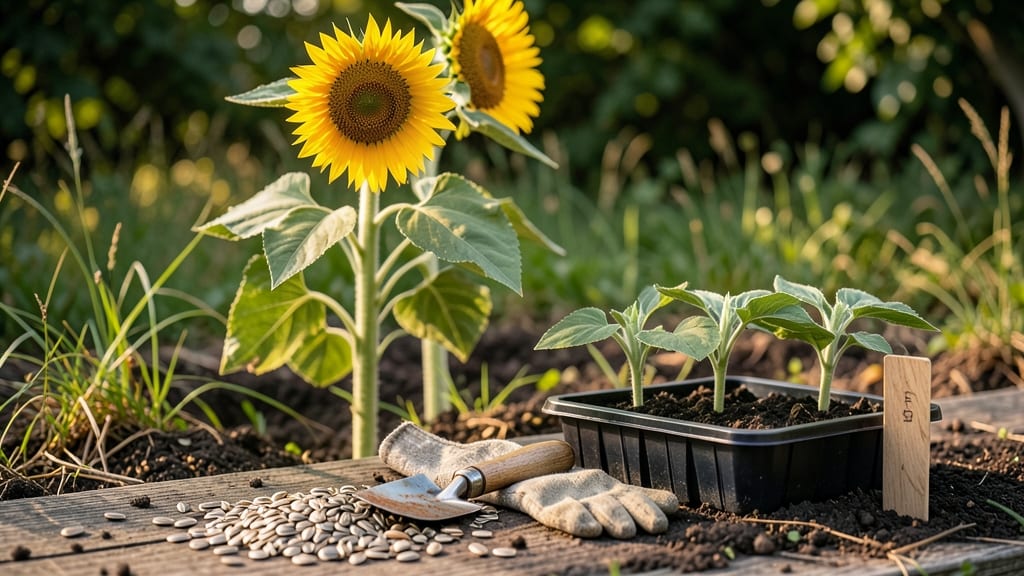
Plant sunflowers in Ohio between mid-April and early June — timing that lets them beat the first frost and reach their towering heights 🌻.
You’ve probably seen those 10-foot giants in summer photos, only to wonder why your garden sunflowers never grow that big. The answer? Planting too early or too late. Ohio’s Zone 6a climate demands precision, and missing the window means stunted blooms or no flowers at all.
This guide covers the exact dates for Ohio’s microclimates, soil prep tricks to speed up growth, and how to adjust for early or late frosts. Whether you’re starting seeds indoors or dropping them straight into the garden, you’ll learn the 3-step method to maximize height and bloom success.
Ready to grow sunflowers that rival the pros? We’ll walk you through seed-starting dates, transplanting tips, and even when to fertilize for that showstopping summer display.
Ohio sunflower planting deadlines by Zone 5-6 (with frost risk factors)
Ohio’s Zone 5-6 climate creates a unique window for growing sunflowers 🌻, but frost dates and soil temperatures can make or break your success. Planting too early risks frost damage, while waiting too long may shorten the growing season.
Let’s break down the exact planting deadlines for Ohio’s microclimates, including how to adjust for early or late springs.
Most of Ohio falls within USDA Zones 5-6, with last frost dates ranging from mid-April to early May. In Zone 5 (northern Ohio), the average last frost is around April 15, while Zone 6 (southern Ohio) typically sees frost-free conditions by April 1.
However, these dates can shift by 2-3 weeks depending on your specific location and microclimate.
| Zone | Last Frost Date | Spring Planting Window | Fall Planting Window | Soil Temp Threshold |
|---|---|---|---|---|
| Zone 5 (Northern OH) | April 15 | April 20 - May 15 | August 15 - September 1 | 50°F (10°C) |
| Zone 6 (Southern OH) | April 1 | April 10 - May 30 | August 1 - September 10 | 50°F (10°C) |
| Microclimates (Urban/Valleys) | April 1 - May 1 | April 15 - June 1 | July 15 - August 31 | 45°F (7°C) |
For spring planting, aim to sow seeds 1-2 weeks after your area’s last frost date. In Zone 5, this typically means April 20-May 15, while Zone 6 gardeners can start as early as April 10.
If you’re in a microclimate like a city garden or valley, you might see frost-free conditions 1-2 weeks earlier, extending your window to April 15-June 1.
Sunflowers are cold-hardy but need warm soil to germinate. Wait until soil temperatures reach 50°F (10°C)—use a soil thermometer to check. In Zone 5, this often aligns with late April, while Zone 6 may see warmer soils by early April.
If temperatures dip below 40°F (4°C) after planting, cover seeds with row fabric for protection.
Fall planting is less common but possible in Ohio’s Zone 6 areas. Sow seeds 8-10 weeks before the first frost (typically August 15-September 1 in Zone 6).
In Zone 5, fall planting is riskier due to earlier frosts, but you can try late July-early August for shorter-season varieties like 'Teddy Bear' or 'Moulin Rouge'.
Ohio’s first frost usually arrives between October 15-30, so plan your fall planting to ensure sunflowers mature before cold sets in. For Zone 5, stick to August 15 or earlier, while Zone 6 gardeners have until September 1.
Always choose fast-maturing varieties (50-60 days to harvest) for fall plantings.
Adjust your planting timeline based on weather forecasts. If you experience an early spring, you can plant as soon as soil is workable. Conversely, a late spring may require extending your window into early June.
Check Ohio State University Extension or local Cooperative Extension offices for real-time frost predictions and microclimate adjustments.
Protect young sunflowers from late spring frosts by using row covers or planting near windbreaks. If frost threatens after germination, cover seedlings with burlap or plastic until temperatures rise. In Zone 5, this is especially critical, as late frosts can occur well into May.
For maximum height and bloom, prioritize planting in full sun (6+ hours daily) and well-draining soil. In Ohio, sunflowers thrive in loamy soil with a pH of 6.0-7.5. Amend heavy clay soils with
How to time sunflower planting for maximum height and bloom success
Ohio’s short growing season means sunflowers need perfect timing to reach their full 10-foot potential. Plant too early, and frost will nip tender seedlings. Too late, and you’ll miss the 60-90 day growth window needed for those iconic blooms.
The key? Start seeds indoors or sow directly after the last frost date—typically mid-April to early June—when soil temperatures hit 50°F.
I’ve learned the hard way that sunflowers planted in cold soil rot before sprouting. Use a soil thermometer to confirm warmth, or wait until late May if spring is slow.
For maximum height, prioritize full sun exposure (6+ hours daily) and well-draining soil. These giants need space too—12-24 inches apart for standard varieties, or 6-12 inches for dwarfs.
🌱 Sunflower Planting Checklist for Ohio
- 1. Timing: Sow seeds April 15–June 1 after last frost (soil 50°F+).
- 2. Depth: Plant seeds 1 inch deep—never deeper or they won’t sprout.
- 3. Spacing: 12–24 inches apart for standard varieties; 6–12 inches for dwarfs.
- 4. Companions: Pair with basil, marigolds, or beans to deter pests and improve growth.
- 5. Watering: Deep soak (1–2 inches) every 3–5 days; reduce after buds form.
- 6. Fertilizer: Light feed at planting; feed again when buds appear (use 5-10-10 NPK).
- 7. Support: Stake tall varieties (>8 ft) in windy areas to prevent toppling.
Don’t overlook companion planting—it’s a game-changer for Ohio gardens. I’ve seen basil and marigolds deter pests like aphids, while beans fix nitrogen in the soil, giving sunflowers a nutrient boost. Avoid planting near potatoes, though; they compete for resources and stunt growth.
Once your sunflowers sprout, thin seedlings to the strongest stems to prevent overcrowding. Use sharp scissors to cut weaker plants at soil level—this reduces stress on the roots.
After thinning, mulch with straw or grass clippings to retain moisture and suppress weeds. In Ohio’s heat, mulch also protects roots from drying out.
For extra height, fertilize lightly when buds form (around June in Ohio). Use a balanced 5-10-10 fertilizer—too much nitrogen will produce leafy stems but fewer blooms.
Water deeply in the morning to prevent fungal diseases like powdery mildew, which thrives in damp conditions. A 1-inch watering every 3–5 days keeps them thriving without overwatering.
With the right timing and care, your sunflowers will dominate the garden by summer, reaching heights of 10–14 feet and attracting pollinators galore. The secret? Start early, give them space, and let Ohio’s sun do the rest. Happy growing! 🌻