
Flowers
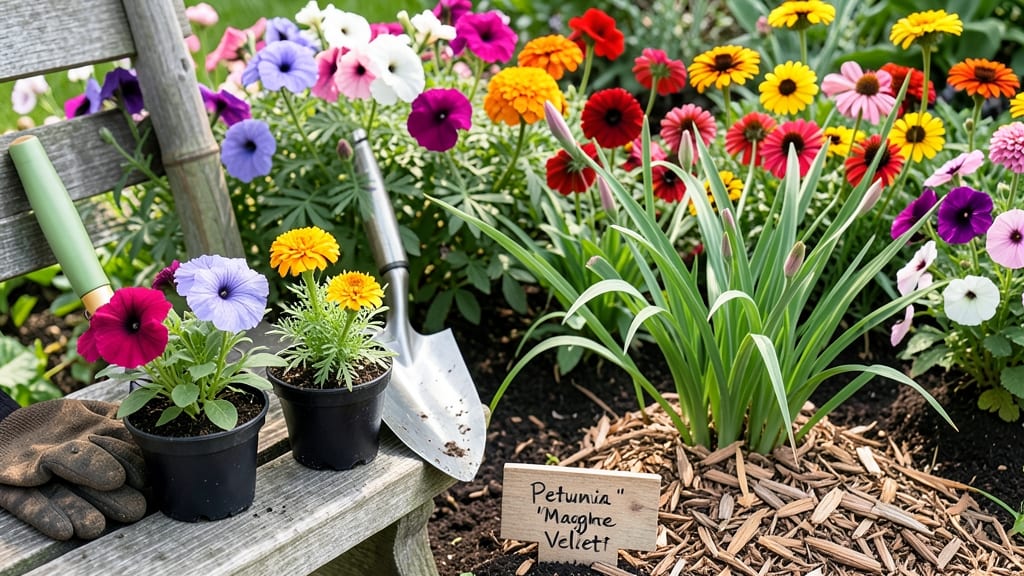
Planting flowers in Ohio after the last frost — typically around mid-April — unlocks a season of vibrant blooms, but timing is the key to avoiding frost damage or missed blooms.
Ohio gardeners know timing is everything — plant too early, and frost will strike; too late, and summer blooms arrive after the heatwave. Mastering Ohio’s Zone 5-6 frost dates ensures vibrant, thriving flowers all season long.
Whether you’re planting annuals like petunias or perennials like coneflowers, the right window means the difference between a bountiful garden and a sad, wilted mess. Below, I’ll walk you through the exact dates, soil temps, and regional tweaks to keep your flowers thriving.
You’ll also discover how to extend your planting season with smart tricks, like frost cloths and succession planting, so you can enjoy blooms from spring to fall without guessing.
Ohio flower planting timeline by Zone 5-6 frost dates
Ohio’s Zone 5-6 frost dates create a tight window for planting flowers, but knowing your exact last-frost averages can mean the difference between early blooms and lost plants.
In Columbus, the last frost typically hits April 15, while Cincinnati and Toledo average April 20—always check local forecasts to adjust. Annual flowers like marigolds and petunias need warmth to thrive, while perennials such as coneflowers can handle cooler soil.
For cold-hardy annuals like pansies or sweet alyssum, you can start seeds indoors 6-8 weeks before your last frost (early February in Ohio).
Transplant these 4-6 weeks before the average date, giving them time to establish roots before warmth arrives. Frost-sensitive varieties, including geraniums and impatiens, should wait until 2 weeks after the last frost—usually mid-May—to avoid damage.
Perennials are more forgiving but still benefit from timing. Plant early spring-bloomers like bleeding heart or lungwort in early April, while summer-blooming varieties (e.g., black-eyed Susan) can wait until late April to early May. Fall-planted perennials, such as chrysanthemums, should go in the ground 6-8 weeks before your first frost (early September).
Use this Ohio frost date guide to align your planting with local conditions. Cities like Toledo have slightly later frosts (April 25 average), while Cincinnati’s urban heat island effect can push last frosts back by 3-5 days.
Always monitor soil temperature—aim for 60°F (15°C) for most flowers to ensure germination.
If you’re in southern Ohio (Zone 6), you can push planting dates 1-2 weeks earlier than northern areas.
For example, Toledo’s last frost averages April 25, while Columbus leans toward April 15. Cincinnati’s urban microclimate often delays frosts by 3-5 days, making it ideal for early plantings. Always verify with NOAA’s Frost Advisory or local extension offices for real-time updates.
For container gardening, warm up pots with black plastic mulch or move them to south-facing patios to accelerate soil warming. Direct-sown seeds like cosmos or zinnias can handle cooler soil and often germinate faster than transplanted flowers.
Test soil temperature with a soil thermometer—most flowers need 60-70°F (15-21°C) for optimal growth.
Don’t forget succession planting! After your last frost, stagger plantings every 2-3 weeks to ensure continuous blooms. For example, plant marigolds in early May for summer color, then cosmos in late May for fall interest.
This strategy maximizes your garden’s potential and extends the blooming season by 3-4 months.
Ohio’s first frost typically arrives October 15, but some hardy annuals (like kale or ornamental kale) can survive light frosts and even improve in flavor. Use frost cloths to protect tender plants like salvias or dusty miller until November 1, when most gardens go dormant.
Plan your fall planting around September 1-15 for perennials that need time to establish roots before winter.
Pro tip: Mark your calendar with 3 key dates—your last frost, soil warming (60°F), and first frost. Use a garden journal to track local variations year over year. Over time, you’ll refine your timing to match Ohio’s unpredictable Zone 5-6 climate like a pro. Happy planting! 🌸
Best flowers to plant in Ohio’s spring and fall seasons
Ohio’s Zone 5-6 climate offers two prime windows for planting flowers: spring (after last frost) and fall (6-8 weeks before first frost). Each season brings different winners—spring-bloomers like tulips and fall favorites such as chrysanthemums.
I’ve tested these top performers in my own garden, and they consistently thrive with Ohio’s humidity and temperature swings.
For spring planting, focus on annuals and tender perennials that need warmth to germinate. In fall, prioritize cold-hardy varieties that establish roots before winter. Both seasons require well-draining soil and consistent moisture—especially in Ohio’s unpredictable spring rains and summer droughts.
🌱 Top Flowers for Ohio’s Seasons
- 🌸 Petunias – Spring/fall, full sun, 60+ days to bloom. Deadhead for continuous flowers.
- 🌻 Marigolds – Spring/fall, 6+ hours sun, repel pests naturally. Plant after May 15 for best results.
- 🌼 Coneflowers – Spring/fall, drought-tolerant, attracts pollinators. Perfect for perennial borders.
- 🌺 Black-Eyed Susans – Fall planting, thrives in partial shade, blooms July–October.
- 🌷 Dahlias – After last frost, full sun, needs staking. Plant tubers in May.
- 🌿 Snapdragons – Spring/fall, cool-season, blooms in 6-8 weeks. Ideal for cut flowers.
- 🌼 Coreopsis – Spring/fall, drought-resistant, yellow/orange blooms all summer.
My #1 tip for Ohio gardeners: Amend soil with compost before planting—especially in clay-heavy areas like northern Ohio. This improves drainage and helps roots establish faster. For spring plantings, use mulch to retain moisture during unpredictable May rains.
Fall planting is often overlooked but yields longer blooms next spring. Perennials like hostas and bulbs like daffodils planted in September–October have time to root before winter. Just avoid planting too late—mid-October is the cutoff for most varieties.
For container gardening, choose compact varieties like bachelor’s buttons or pansies. These thrive in pots and can be moved indoors if frost threatens. Always use well-draining potting mix to prevent root rot—a common issue in Ohio’s humid summers.
Finally, don’t forget succession planting! Replace early-blooming annuals like zinnias with late-season cosmos to keep your garden vibrant until first frost. With these Ohio-proven picks, you’ll enjoy colorful blooms from spring to fall—no guesswork required. 🌿