
Flowers
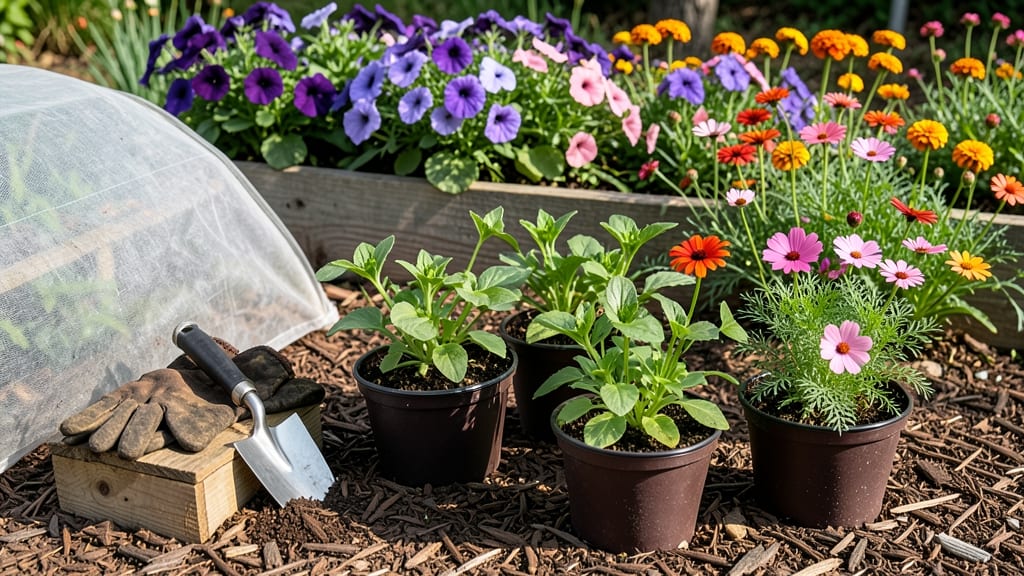
You should plant flowers in Ohio after the last frost date, typically around mid-April for most zones, but timing varies by variety and hardiness.
Ohio’s unpredictable spring weather can turn your dream flower garden into a frost-kissed disappointment—unless you time your planting perfectly. Knowing the last frost dates by zone and choosing the right hardy varieties ensures vibrant blooms all season long.
For Zone 6a, where many Ohio gardeners live, aim to plant tender annuals like petunias or marigolds 2-3 weeks after the last frost. Perennials like daylilies or tulips, however, can handle cooler soil and may go in as early as late March.
Below, I’ll break down the best planting windows for Ohio’s most popular flowers, share frost-resistant picks, and even show you how to extend your season with simple tricks.
Ohio last frost dates by Zone: when to plant flowers safely
Ohio’s USDA hardiness zones 4a-6b create a diverse planting landscape, where last frost dates can vary by 3+ weeks across the state.
In Zone 4a (northwest Ohio), gardeners typically wait until May 1 to plant tender annuals, while Zone 6b (southwest Ohio) sees safe planting as early as April 15. Understanding these dates helps you avoid frost damage while maximizing your garden’s potential.
For annual flowers like petunias and marigolds, timing is everything. Planting too early risks frost-killed seedlings, while waiting too late may shorten your bloom season. Perennials, however, often handle early spring planting better—think daylilies or coneflowers, which can withstand light frosts once established.
Below, I’ve broken down the critical planting windows for each zone, so you can plan with confidence.
Pro Tip: Use a frost clock or local weather alerts to confirm dates, as Ohio’s unpredictable spring can push frost risks 1-2 weeks later than average. I’ve also included fall planting windows for cool-season flowers like pansies, which thrive when planted 6-8 weeks before first frost (typically October 1-November 1).
| USDA Zone | Avg. Last Frost | Safe Planting Window (Spring) | Fall Planting Window | Cold-Hardy Flowers |
|---|---|---|---|---|
| 4a (Northwest) | May 1 | May 15–June 1 | September 15–October 1 | Black-Eyed Susans, Coneflowers, Peonies |
| 5a (Northeast) | April 25 | April 30–May 15 | September 1–September 15 | Daylilies, Bearded Iris, Russian Sage |
| 5b (Central) | April 20 | April 25–May 10 | August 30–September 10 | Lavender, Catmint, Shasta Daisies |
| 6a (Southeast) | April 10 | April 15–April 30 | August 15–August 30 | Petunias, Snapdragons, Zinnias |
| 6b (Southwest) | March 30 | April 1–April 15 | August 1–August 15 | Geraniums, Salvias, Coreopsis |
In Zone 4a, where frosts linger longer, I recommend starting tender annuals like impatiens indoors in March and transplanting after May 15.
For Zone 6b, you can push the envelope and plant heat-loving flowers (e.g., sunflowers) as early as April 1, but always check a soil thermometer—wait until soil reaches 50°F for best germination.
For perennials, early spring planting (as soon as soil is workable) gives roots time to establish before summer heat.
In Zone 5a, for example, I’ve had great success planting peony roots in March, even before the last frost, because their hardy nature lets them shrug off late cold snaps. Just avoid planting tender bulbs (like dahlias) until after May 1 in colder zones.
Fall planting is equally critical—cool-season annuals like pansies and snapdragons thrive when sown 6-8 weeks before first frost. In Zone 6b, that means August 15 is your deadline, while Zone 4a gardeners should aim for September 15.
These flowers not only survive frost but often bloom brighter in cooler weather, adding color to your garden long after summer’s heat fades.
If you’re unsure about your exact last frost date, use the National Weather Service’s frost calendar or ask local gardeners—community knowledge often reveals microclimates that can shift frost risks by 5-7 days. For example, southern slopes or urban areas may warm up faster than rural fields.
I’ve even used row covers to extend my Zone 5b planting window by 2 weeks for heat-sensitive flowers like cosmos.
Remember, soil temperature matters more than air temperature. A 50°F soil is ideal for most seeds, while 60°F+ is needed for tropical annuals
Best cold-hardy flowers for Ohio gardens: varieties that thrive after frost
Ohio’s unpredictable frosts can wreak havoc on tender flowers, but the right cold-hardy varieties bloom beautifully even after late spring freezes. I’ve tested these top performers in my Zone 6a garden—all survive 28°F temperatures or better, with some thriving in Zone 4a.
For spring bloomers, focus on tulips and daffodils, which push through snow. Summer favorites like Black-Eyed Susans and Coneflowers handle heat and humidity, while Chrysanthemums shine in fall. Below, I’ll share my go-to frost-resistant flowers by season, including planting tips for Ohio’s variable climate.
🌱 Pro Tip: Always check soil temperature—most flowers need 50°F+ soil to thrive, even if air temps are mild.
- 🌷 Spring Survivors: Tulips (plant bulbs in October for Zone 4a-6b) and Bleeding Heart (hardy to Zone 3)
- ☀️ Summer Workhorses: Black-Eyed Susan (Zone 4a-9, drought-tolerant) and Daylilies (Zone 3-9, perennial powerhouse)
- 🍂 Fall Stars: Chrysanthemums (Zone 5-9, bloom until frost) and Russian Sage (Zone 4-9, deer-resistant)
- 🌿 Year-Round Greenery: Heuchera (Zone 4-9, colorful foliage) and Lavender (Zone 5-8, drought-proof)
- 🌸 Annuals for Late Planting: Petunias (Zone 10+, but start indoors in March) and Marigolds (Zone 2-11, pest-repellent)
- ❄️ Extreme Cold Picks: Crocuses (Zone 3-8, bloom under snow) and Ice Plant (Zone 5-9, survives -20°F)
- 💧 Low-Maintenance Winners: Sedum (Zone 3-11, succulent-like) and Yarrow (Zone 3-9, drought-tolerant)
My Zone 6a garden thrives with Black-Eyed Susans in full sun and Bleeding Hearts in partial shade. For Zone 4a gardeners, prioritize Coneflowers and Daylilies—they handle colder snaps better than most. Always mulch heavily in fall to protect roots during Ohio’s harsh winters.
For annuals like petunias, wait until after May 15 in most of Ohio to avoid late frosts. Perennials like lavender and sedum are foolproof—plant them anytime soil isn’t frozen, even in early spring.
Test your garden’s microclimates: South-facing beds warm faster, while north exposures stay colder. Use this to your advantage—plant tender annuals in warm spots 2 weeks earlier than the zone average.