
Blooming
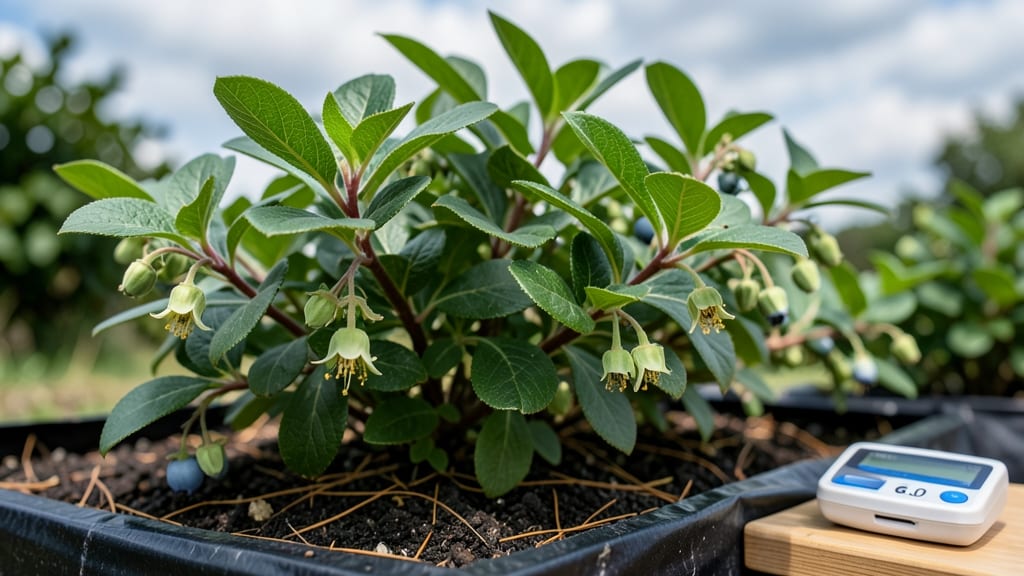
Blueberries flower in early spring 🫐 — typically between late March and early May, depending on your climate zone and the variety you’re growing.
If you’ve ever wondered why your blueberry bushes aren’t blooming—or when to expect those stunning white flowers—timing is everything. Blueberries follow a precise flowering schedule that depends on variety, climate, and even last winter’s chill hours.
In USDA Zone 6a (like much of the Midwest), most varieties burst into bloom around mid-April, while southern regions may see flowers as early as February. Northern gardens, however, might wait until May, especially after a cold winter.
Get this right, and you’ll know exactly when to plant, pollinate, or troubleshoot. Below, I’ll break down the exact timing for popular varieties, how climate affects blooms, and what to do if your bushes skip the show.
Blueberry flowering timeline by variety: northern vs southern cultivars
Blueberries are one of the most rewarding shrubs to grow, but their flowering timeline varies dramatically depending on whether you’re in the northern or southern US. Northern varieties like 'Bluecrop' need cold winter chill to bloom, while southern types like 'Duke' flower earlier to avoid late frosts.
Understanding these differences helps you predict blooms, protect flowers from frost, and even choose the right pollinators.
Most blueberries bloom in late spring, but the exact timing shifts by 2–4 weeks between regions. In USDA Zones 3–6, flowering typically starts in mid-April, while in Zones 7–10, blooms may appear as early as February or March.
This variation is critical for gardeners planning pollination strategies or protecting delicate flowers from unexpected freezes.
Frost-sensitive periods are another key factor. Northern varieties often bloom just as last frosts arrive, while southern bushes may flower too early if winter wasn’t cold enough. Below is a detailed comparison of flowering windows for popular cultivars, adjusted for your climate zone.
If you’re in USDA Zone 6 or colder, focus on northern highbush varieties like 'Bluecrop' or 'Jersey', which need 600–900 chill hours below 45°F to bloom reliably.
These bushes often flower in mid-to-late April, just as last frosts threaten. Protect them with frost cloth or row covers if nighttime temps dip below 28°F.
For southern gardeners in Zones 7–10, varieties like 'Duke' or 'Misty' bloom earlier to avoid frost damage. Their flowering windows stretch from February to March, but they still need 300–500 chill hours.
If winters are too mild, these bushes may flower erratically or produce fewer berries. Consider heat-tolerant varieties like 'O’Neal' for Zones 8–10.
Pollination is another critical factor. Most blueberries are self-fertile, but planting two compatible varieties ensures better fruit set. For example, pair 'Bluecrop' with 'Earliblue' in northern gardens or 'Duke'
How climate and chill hours affect blueberry flowering times
Blueberries need a specific trigger to bloom: winter chill hours. These are the hours your bushes spend below 45°F during dormancy, typically between 300–900 hours, depending on the variety. Without enough chill, buds may fail to open, leaving you staring at bare branches where flowers should be.
For example, northern varieties like 'Bluecrop' thrive with 800–900 chill hours, while southern types such as 'Southern Highbush' only need 300–400 hours. If you’re in a mild-winter zone (like USDA Zone 8+), choose low-chill varieties—or risk skipped blooms.
🚨 callout warning ⚠️
If temperatures rise above 75°F before buds open, flowers may drop off. Urban gardens often face this risk due to heat islands, where pavement traps warmth. Monitor forecasts and protect young bushes with shade cloth if late frosts or heatwaves are predicted.
🌡️ Pro Tip: Use a minimum-maximum thermometer to track chill hours. Apps like "Chill Hours Tracker" automate the math for you!
Microclimates play a huge role too. Urban areas can be 5–10°F warmer than rural spots, reducing chill accumulation. If your blueberries are near a building or pavement, they might not get enough cold exposure.
Try planting in cooler microclimates, like near a north-facing fence or in a wooded area.
Even if your bushes get the right chill, early springs can throw off timing. Warm spells in February might trick buds into opening too soon, only to be fried by a late frost.
To mitigate this, prune lightly in late winter to reduce flower clusters—this buys time for buds to harden before blooming.
Adjust your care based on weather anomalies. If your area had a mild winter, supplement with artificial chill (like a refrigerator trick for potted bushes) or choose high-chill varieties.
For late frosts, cover flowers with frost cloth at night. Every little adjustment keeps your blueberries on track for that perfect bloom.