
Blooming
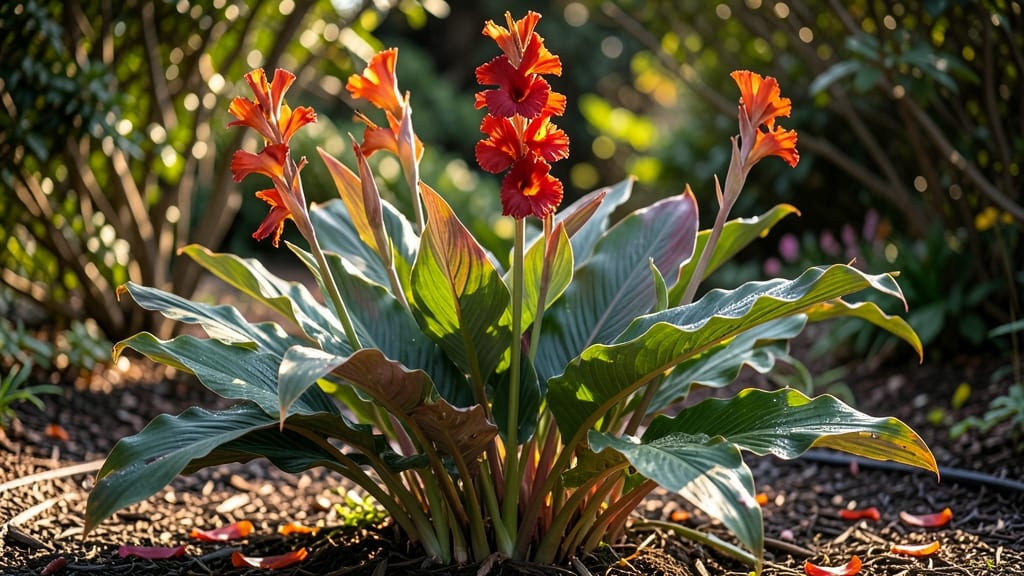
Cannas flower when soil temperatures hit 60°F consistently, and the timing can feel like a mystery if you’ve never grown them before.
If you’ve ever planted cannas hoping for vibrant blooms only to be left waiting, you’re not alone—these tropical beauties need the right heat cues to burst into flower. But when exactly should you expect those dramatic, dinner-plate-sized blooms to appear?
The answer depends on your growing zone, soil warmth, and a few other surprising factors. In Zone 6a, for example, cannas typically bloom between July and September, but cooler microclimates or late springs can push that window back.
Here’s what you need to know about canna flowering timelines, how to speed up blooms, and how to troubleshoot delays—so you can enjoy those showstopping 🌺 blooms all season long.
Cannas flowering timeline by US growing Zones: when to expect blooms
Cannas thrive in heat, and their flowering timeline is directly tied to your USDA growing zone. In cooler zones like Zone 7, expect blooms to arrive later in summer, while Zones 9-11 often see flowers as early as June.
The key trigger? Soil temperatures consistently above 65°F—without it, your cannas may produce lush foliage but skip the showstopping blooms.
Most gardeners in Zones 8-11 plant cannas in early spring (March-April), while those in Zone 7 wait until after last frost (mid-May). The difference? A 4-6 week shift in bloom timing.
For example, a 'Striped' canna in Zone 9 might flower by July 1st, while the same variety in Zone 7 could wait until August 15th.
Here’s how soil temperature, sunlight exposure, and planting depth influence your bloom window:
To accelerate flowering, focus on soil warmth. Use a black plastic mulch to raise soil temps by 5-10°F in cooler zones. In Zones 7-8, plant rhizomes in late May instead of April—this ensures roots establish when soil hits 65°F, triggering blooms faster.
Sunlight is equally critical. Cannas in partial shade (common in Zones 9-11) may bloom later or produce smaller flowers. If your garden gets less than 6 hours of sun, supplement with a grow light for 4-6 weeks before expected bloom time to jumpstart flower stalks.
Did you know? Deeper planting in cooler zones (like Zone 7) protects rhizomes from temperature swings, ensuring steady growth. In Zones 10-11, shallow planting (1-3 inches) helps roots absorb heat faster, often resulting in earlier blooms by 2-3 weeks.
For late-season adjustments, prune back 1/3 of foliage in early August to redirect energy to flower buds. This works best in Zones 8-11, where cannas have extra time to rebound. Avoid this trick in Zone 7
Pro tip: Track your local soil temperature with a soil thermometer. Aim for 65°F for 7+ days to guarantee blooms. In Zone 9, I’ve seen cannas flower in April when soil hits 70°F early, while Zone 7 gardeners often wait until August unless they use heat mats. If your cannas are leafy but not flowering, check these three factors: soil nutrients (add phosphorus-rich fertilizer
5 Heat-triggered signs your cannas are ready to bloom (and how to speed it up)
Cannas are patient plants—they wait for the perfect heat signal before showing off their showstopping blooms. But how do you know when your canna rhizomes have finally received the right temperature cues?
Look for these heat-triggered signs that your plants are about to burst into color. Once you spot them, you can use simple tricks to accelerate flowering and enjoy those tropical blooms even sooner.
The key to understanding canna blooming lies in their natural heat requirements. These plants originate from warm climates and need consistent soil temperatures above 65°F (18°C) to trigger flower production.
Without this warmth, your cannas might just focus on foliage growth instead of blooming. But when the heat arrives, your plants will give you clear signals they're ready to flower.
- 1. Leaf Color Shift: Deep green leaves develop bronze or purple undertones on their undersides as a response to increased heat.
- 2. Stalk Thickening: Flower stalks become noticeably thicker and woody, often appearing bulbous at the base.
- 3. Root Growth Surge: Rhizome expansion accelerates—you'll see new roots pushing through soil or pot sides.
- 4. Bud Formation: Tight green buds appear at leaf axils (where leaves meet stems), signaling imminent blooms.
- 5. Height Plateau: Top growth slows while the plant redirects energy toward flower development.
Once you spot these signs, you can boost flowering speed by adjusting your care routine. Start with mulching—apply a 2-3 inch layer of straw or wood chips around your cannas to retain soil heat and encourage root growth.
This simple trick can raise soil temperatures by 5-10°F, giving your plants that extra nudge they need.
Your watering schedule also plays a crucial role. During heat waves, switch to deep watering every 2-3 days instead of frequent shallow watering. This encourages root development and prevents stress that could delay blooming.
Always water in the early morning to reduce fungal risks while keeping roots cool enough for optimal growth.
For an extra bloom boost, try strategic pruning. When you see those thickening flower stalks, avoid cutting back unless necessary. Instead, focus on removing yellow or damaged leaves to redirect energy toward blooms.
If your cannas are in pots, consider moving them to a sunnier location—just ensure they get at least 6 hours of direct sunlight daily.
Remember, cannas are heat-loving plants, so the warmer your climate, the sooner you'll see blooms. In Zone 9-11, you might spot flowers as early as late spring, while gardeners in Zone 7-8 should expect blooms by mid-summer.
With these heat-triggered signs and care tweaks, you'll have vibrant canna blooms gracing your garden in no time! 🌺