
Blooming
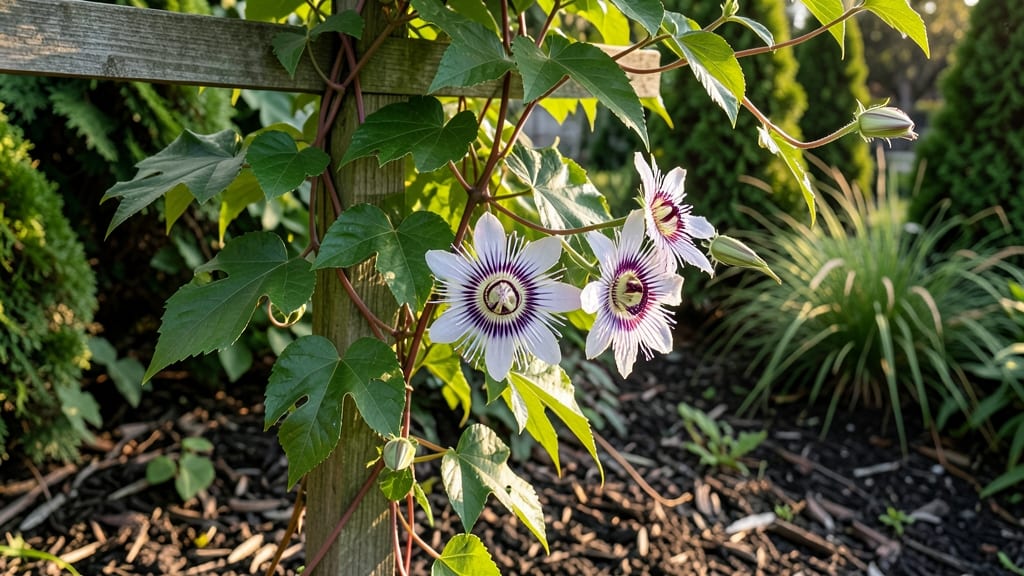
Passionfruit vines flower when conditions align—typically between spring and summer, but timing shifts with your climate zone and care routine.
If you’ve ever wondered why your passionfruit vine isn’t producing those coveted tropical fruits, the answer likely lies in its flowering cycle—timing, conditions, and even subtle cues can make all the difference.
In General (Tropical/Subtropical Regions), like USDA zones 9a-11, blooms often appear year-round, but peak flowering usually hits in warmer months when daylight stretches longer.
Below, I’ll break down the exact seasons for your zone, how to spot early signs of buds, and 3 proven ways to encourage faster blooms—no guesswork required.
Natural flowering seasons for passionfruit vines by climate zone
Passionfruit vines (Passiflora edulis) are tropical powerhouses that thrive in warm climates, but their flowering seasons shift dramatically based on your climate zone. In tropical regions, these vines can flower year-round, while subtropical zones see peak blooms in spring and summer.
Even in temperate climates, with proper care, you can coax flowers during summer months. Understanding these patterns helps you predict fruit production and adjust care routines accordingly.
The key trigger for passionfruit flowering is a combination of temperature (ideal range: 70-85°F) and daylight hours. Most varieties need 12+ hours of sunlight daily to initiate blooms. In cooler climates, vines may enter dormancy, halting flowering until warmer weather returns.
This natural cycle explains why some gardeners in USDA Zones 9-11 enjoy continuous harvests while others in Zones 8 and below must grow passionfruit in containers or greenhouses.
Here’s how climate zones influence your passionfruit vine’s flowering schedule, including the best months to expect blooms and how to optimize conditions:
| Climate Zone | Primary Flowering Season | Temperature Range (°F) | Daylight Needs | Key Triggers | Growth Notes |
|---|---|---|---|---|---|
| Tropical (Zones 10-11) | Year-round (peaks spring-summer) | 75-90°F | 12+ hours | Warmth + consistent rain | Fastest growth; minimal dormancy |
| Subtropical (Zones 9-10) | Spring to early fall (March-October) | 65-85°F | 10-12 hours | Rising temps + pruning | Moderate dormancy in winter |
| Temperate (Zones 8 and below) | Summer only (June-August) | 70-80°F | 8+ hours | Container warmth + pruning | Requires winter protection |
In tropical zones, passionfruit vines flower continuously, with purple passionfruit (Passiflora edulis) often blooming more aggressively during wet seasons. The yellow passionfruit (Passiflora edulis flavicarpa) tends to favor slightly drier conditions, so adjust watering to encourage blooms.
In these areas, pruning in late winter removes old growth, stimulating new shoots that produce flowers within 4-6 weeks.
For subtropical gardeners, the transition from winter dormancy to spring is critical. As temperatures rise above 65°F, your vine will respond by sending out new growth. Fertilize with phosphorus-rich compost (like bone meal) in early spring to support flower formation.
In Zone 9, you might see blooms as early as February, while Zone 10 vines may start flowering by January.
Gardeners in temperate climates face the biggest challenge: short flowering windows. To extend the season, grow your vine in a large container and move it indoors during winter. Even a garage or basement with 50°F+ temperatures can keep the vine alive.
When summer arrives, place it back outside in full sun—you’ll likely see flowers within 6-8 weeks of warm exposure.
Regardless of your zone, daylight hours play a surprising role. Passionfruit vines are short-day plants, meaning they flower more readily when daylight shortens slightly (a phenomenon called photoperiodism). This is why you’ll often see a second flush of blooms in late summer, even in tropical regions.
To encourage this, avoid artificial lighting at night, as it can disrupt the plant’s natural cycle.
One common misconception is that passionfruit vines need cold weather to flower. In reality, they’re heat-loving and may struggle in temperatures below 50°F. If you notice bud drop or stunted growth, it’s likely due to temperature stress.
Use row covers or frost cloth in cooler zones to protect young flowers. In Zone 8, for example, a late spring frost can wipe out early blooms entirely.
Pro tip: If your vine isn’t flowering after 6-12 months, it may need a hard prune to reset growth. Cut back 1/3 of the vine in early spring, and you’ll often see new shoots with flowers within 8 weeks.
Pair this with a balanced fertilizer (10-10-10) to give your vine the nutrients it needs to bloom.
🌱
How to identify passionfruit flowering stages and speed up blooms
Spotting the first signs of passionfruit flowering can feel like hunting for hidden treasure—those delicate buds appear quickly and disappear just as fast if conditions aren’t right.
The key is knowing what to look for, from subtle leaf changes to the unique trumpet-shaped blooms that signal your vine is ready to fruit.
Most gardeners miss the early stages because passionfruit buds form in clusters near new growth, often camouflaged by lush foliage. I’ve learned to check for tiny green swellings along the vine’s stems, which are the first visible signs of buds forming.
These swellings will grow into 1-inch buds within 7-10 days if your plant is healthy and happy.
Step-by-Step Guide to Identify & Encourage Passionfruit Blooms
- Step 1: Check for bud swellings along stems (size of a pea) in spring/summer.
- Step 2: Look for leaf color shifts—healthy buds appear near darker green leaves.
- Step 3: Prune old wood (over 2 years) to redirect energy to new flowering shoots.
- Step 4: Apply phosphorus-rich fertilizer (5-10-10) when buds form to boost blooms.
- Step 5: Ensure 6+ hours of sunlight daily—partial shade delays flowering.
Once you spot those bud swellings, act fast! Passionfruit vines respond best to light pruning right after bud formation. I prune back overly vigorous growth to encourage more buds—think of it as redirecting your vine’s energy from leaf production to flower production.
Use clean, sharp shears and cut just above a leaf node to promote new shoots.
Fertilizer plays a crucial role too. A balanced 5-10-10 NPK ratio with extra phosphorus (the middle number) signals your vine to focus on flowering. I apply it every 4-6 weeks during the growing season, but stop fertilizing once buds appear to avoid burning them.
Organic options like bone meal or composted manure work wonders too.
Environmental tweaks make a surprising difference. Passionfruit vines thrive in warmth and humidity, but they need consistent moisture—not soggy soil. I water deeply every 2-3 days in summer, always in the morning to let foliage dry before nightfall.
Mulching with straw helps retain moisture and keeps roots cool, which encourages more blooms.
If your vine still isn’t flowering after 6 months, check for nutrient deficiencies or pests. Yellowing leaves often mean nitrogen overload, while brown edges signal underwatering. I’ve found that a simple soil test and adjusting care can turn a struggling vine into a flowering powerhouse in just a few weeks.