
Plants
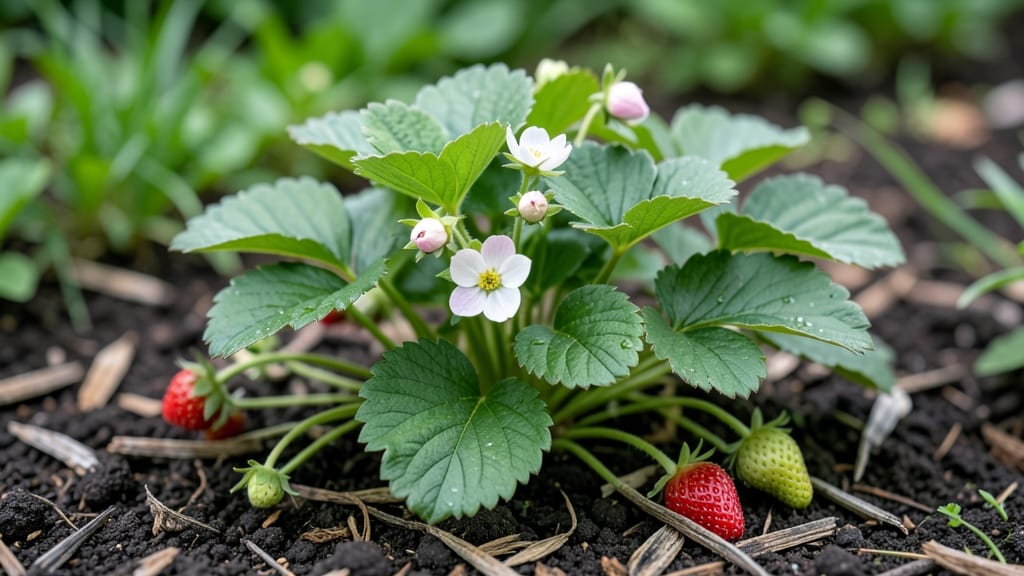
Strawberry plants flower when they receive consistent warmth and daylight—typically in late spring for June-bearing varieties and throughout summer for everbearing types.
Picture this: your 🍓 plants have been growing lush green leaves all winter, but now you’re eager to see those delicate white blooms appear. The timing isn’t random—it’s triggered by temperature shifts, daylight length, and even the type of strawberry you’ve planted.
June-bearing varieties usually bloom in late April to early May in Zone 6a, while everbearing and day-neutral types may flower as early as March or stretch into fall.
Missing this window means fewer berries, so understanding the cues—like leaf growth patterns and crown maturity—can help you predict (and even encourage) blooms.
Below, I’ll break down the exact seasonal triggers, how to spot flowering readiness, and the simple care tweaks that keep your strawberries blooming like clockwork.
Strawberry flowering timeline: month-by-month seasonal triggers
Strawberry plants follow a predictable flowering cycle that varies dramatically by variety and USDA hardiness zone. In my Zone 6a garden, June-bearing varieties like 'Jewel' bloom in late April to May, while everbearing types such as 'Seascape' produce two flushes—spring and fall.
Day-neutral varieties like 'Albion' flower continuously when conditions are right.
Temperature and daylight hours trigger these blooms. Strawberries need chilling hours (300–1,000 hours below 45°F) during winter dormancy to break dormancy. Once daytime temperatures rise above 50°F consistently, buds form. Longer daylight hours (14+ hours) in summer can delay blooming in some varieties unless they’re day-neutral.
Here’s how flowering aligns with the seasons across common zones, with monthly triggers and variety-specific patterns:
| Stage | June-Bearing Varieties | Everbearing Varieties | Day-Neutral Varieties | USDA Zones |
|---|---|---|---|---|
| Dormancy Break | Feb–Mar (chilling hours) | Feb–Mar (chilling hours) | Year-round (no chill needed) | 5–9 |
| First Buds | Late April–May | April–May (spring) | March–April (warm zones) | 6–10 |
| Peak Bloom | May–June | June–July (summer) + Sept–Oct (fall) | April–Oct (continuous) | 4–11 |
| Post-Bloom Care | Remove old leaves after harvest | Prune after fall harvest | Light pruning to encourage new runners | All zones |
| Winter Prep | Mulch heavily in Nov | Mulch in Nov; protect from frost | Minimal prep; some zones grow year-round | 3–8 |
In warmer zones (8–11), like Southern California or Florida, strawberries may bloom year-round if day-neutral varieties are planted. My 'Chandler' plants in Zone 9b flower in January and again in September, thanks to mild winters.
However, they need shade cloth in summer to prevent heat stress, which can halt blooming.
Cooler zones (3–6) like Minnesota or upstate New York see a single spring bloom for June-bearing varieties. If you’re in these areas, plant everbearing types like 'Ozark Beauty' to extend your harvest into fall.
These varieties produce two smaller harvests instead of one large one, making them ideal for extended-season gardens.
Daylight hours play a surprising role. June-bearing strawberries rely on short days to trigger dormancy, while everbearing types bloom when days lengthen. Day-neutral varieties ignore daylight cues entirely, flowering as long as temperatures stay above 50°F.
This is why 'Albion' thrives in containers on patios—it doesn’t need seasonal cues to produce fruit.
Watch for bud formation in early spring as a key sign. Healthy plants will have 5–7 leaves per crown before flowering. If buds appear small or deformed, it may signal nutrient deficiencies (like low phosphorus) or overwatering.
I once saw 'Chandler' buds swell but drop off—turns out the soil was too wet from winter rains. Adjusting my irrigation schedule fixed the issue the next year.
Pruning also affects timing. For June-bearing varieties, remove old leaves after the first harvest to redirect energy to next year’s buds. Everbearing types benefit from light pruning
How to tell if your strawberry plant will flower this year (and when to expect berries)
Your strawberry plant’s readiness to flower isn’t just about age—it’s a mix of leaf count, crown size, and variety traits. June-bearing types, for example, need 6-8 healthy leaves before they’ll produce their signature spring blooms, while everbearing varieties may flower with just 4-6 leaves if conditions are right.
First, check the crown maturity—the central hub where leaves and roots meet. A healthy crown should be 1-2 inches wide and firm to the touch. If it’s small or mushy, your plant may need more time (or better care) before flowering.
Also, look for new leaf growth—this signals stored energy for blooms.
🌱 Signs Your Strawberry Plant Is Ready to Flower
- 1. Leaf Count: June-bearing: 6+ leaves | Everbearing: 4-6 leaves
- 2. Crown Size: 1-2 inch diameter, firm texture
- 3. New Growth: 2-3 fresh leaves in last 2 weeks
- 4. Variety Clues: Check tags—June-bearing blooms late spring; everbearing flowers spring & fall
- 5. Temperature: Soil 50°F+ and air 60°F+ for 2+ weeks
Don’t ignore delayed blooms—common in cool climates or over-fertilized plants. If your June-bearing variety hasn’t flowered by late April (Zone 6a), it may need a warmth boost.
Try moving potted plants to a sunnier spot or mulching heavily to retain soil heat. For everbearing types, blooms might appear as early as March if winter was mild.
Watch for flower buds along the crown’s edges—they’ll look like tiny green “Y” shapes. These buds need consistent moisture (but no soggy soil) to open. If buds shrivel or fall off, your plant might be stressed from drought or overwatering.
Adjust your watering to deep, morning sessions to keep roots happy.
Once flowers appear, count 5-7 days until pollination (if bees are active) or 10-14 days for self-pollinating varieties like Albion. Berries will form quickly after—so keep an eye out! For everbearing types, expect 2-3 harvest cycles per season if you remove spent flowers after fruiting.
Pro tip: Prune old leaves (those turning yellow) in early spring to redirect energy to new growth and blooms. This simple step can double your flower production in just one season.
And remember—patience pays off! Some day-neutral varieties like Seascape may take 60+ days to flower but reward you with continuous harvests all summer.