
Flowers
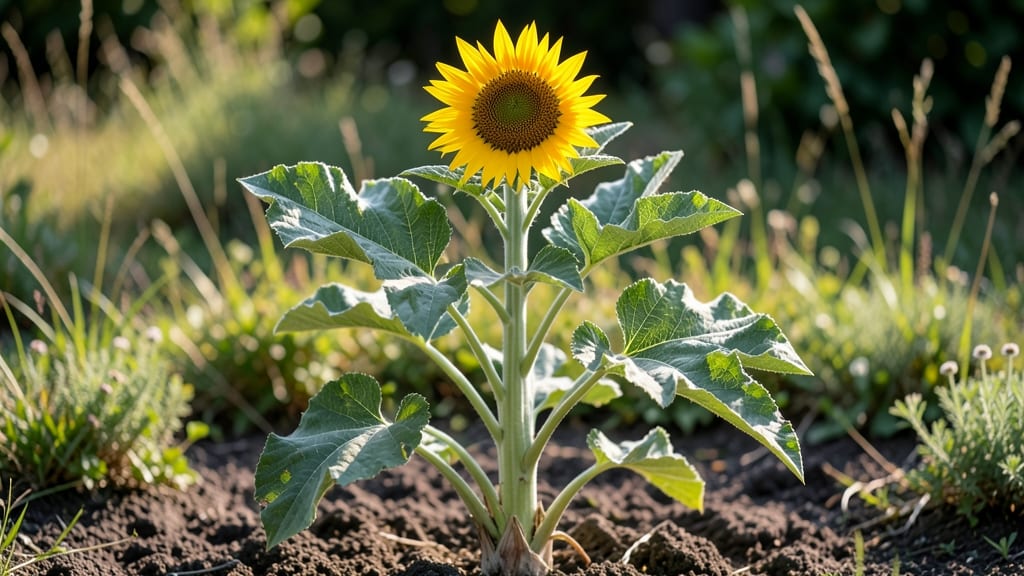
Sunchokes flower in late summer to early fall 🌱 — a showstopper of tall, purple blooms that marks the plant’s second year of growth.
If you’ve ever wondered why your sunchokes seem to vanish underground without a trace, the answer might be hiding in those striking flowers. They’re not just eye-catching—they’re a sign your tubers are maturing, but timing matters. Miss the bloom window, and you might miss the harvest too.
Regional climates shift when these flowers appear, with cooler zones like 6a seeing blooms earlier than warmer areas. Understanding these triggers helps you predict when to expect those tall spikes and whether they’ll affect your tuber yield.
Below, I’ll break down the exact months to watch, how to recognize blooming signs, and whether you should prune those flowers for bigger harvests—or let them shine.
Sunchoke flowering season: months & climate-based timing
Sunchokes typically bloom in their second year of growth, with flowers appearing between late July and September in most U.S. regions. These towering purple-pink blooms can reach 6 feet tall and mark the plant’s transition from vegetative growth to tuber maturation.
The exact timing depends on your USDA hardiness zone and local climate—cooler northern zones may see blooms earlier than warmer southern areas.
In USDA zones 3-5, sunchokes often flower as early as mid-July, while in zones 6-8, blooms typically arrive in late August to early September. Zone 9 and warmer climates may delay flowering until October, especially if summer temperatures remain consistently hot.
These differences occur because sunchokes need a period of cooling temperatures to trigger flowering.
Here’s a quick reference for when to expect sunchoke flowers based on your region:
| USDA Zone | Typical Bloom Month | Climate Trigger | Plant Height at Bloom |
|---|---|---|---|
| 3-5 | Mid-July to early August | Cool spring, moderate summer | 3-5 feet |
| 6-7 | Late July to mid-August | Warm summers, mild winters | 4-6 feet |
| 8-9 | August to early September | Hot summers, minimal frost | 5-7 feet |
| 10+ | September to October | Tropical or subtropical | 6-8 feet |
Temperature plays a critical role in sunchoke flowering. These perennials require a period of cooling (below 70°F) to shift from tuber production to flower development. If summer temperatures stay above 85°F for weeks, flowering may be delayed or reduced.
In contrast, early frost exposure in fall can actually trigger blooms sooner in cooler climates.
Did you know sunchokes produce two types of flowers? The first year, they may show small, greenish buds that don’t fully open. True flowering occurs in year two, when you’ll see those iconic purple-pink clusters.
This two-year cycle explains why many gardeners miss the bloom window—they’re focused on tubers in year one and might not notice the early buds.
If you’re growing early vs. late varieties, timing shifts slightly. Early varieties like ‘Dwarf Purple’ may bloom as early as July in zone 5, while late varieties like ‘Fuseau’ might wait until September in zone 8.
The key difference lies in their day-length sensitivity—some varieties respond to shorter days sooner than others.
Flowering doesn’t harm tuber production, but it does signal that your sunchokes are focusing energy on reproduction. If you want larger tubers, you can prune the flower stalks when they reach 12 inches tall, redirecting energy back to tuber growth.
However, leaving flowers adds beauty to your garden and supports pollinators like bees.
One common misconception is that sunchokes must flower to produce tubers. In reality, tubers form even without flowers, though flowering indicates a healthy, mature plant. The presence of blooms simply means your sunchokes have reached their second year and are ready for a full harvest.
To encourage earlier blooms, provide well-draining soil and full sun exposure. Avoid over-fertilizing with nitrogen, which promotes leafy growth at the expense of flowers. Instead, use a balanced 10-10-10 fertilizer in early spring to support both foliage and flowering.
Watch for leaf yellowing or stem elongation as early signs of impending blooms. These changes occur 4-6 weeks before flowers appear, giving you time to adjust your garden plan.
Whether you’re growing sunchokes for their tubers, flowers, or both, timing these blooms helps you make the most of this versatile perennial.
5 Clear signs your sunchokes are about to flower (and what they mean)
Sunchokes typically flower in their second growing year, but spotting the signs early helps you predict when those purple blooms will appear. The transition from foliage to flowers is gradual, so knowing what to watch for keeps you ahead of the game.
These visual cues also reveal whether your plants are healthy or struggling.
Here’s the key: leaf color shifts, stem elongation, and tuber formation all signal an impending bloom. Ignoring these signs might mean missing the window to harvest tubers before the plant diverts energy to flowering. Let’s break down each clue so you can time your harvest perfectly.
Paying attention to these environmental cues helps you time your tuber harvest before the plant diverts too much energy to flowers. For example, if you see leaf color shifts in early July, expect blooms by mid-August—meaning you should harvest tubers by early August to avoid reduced yields.
Remember, flowering doesn’t harm tuber production but may slightly delay it. However, if you’re growing sunchokes for their ornamental value, let those purple blooms shine—they’re a stunning addition to any late-summer garden. Just be prepared for the plant to spread aggressively afterward!
Pro tip: If you’re in a warmer climate, your sunchokes might bloom earlier than expected. Keep an eye on those stem elongation signs, and you’ll never miss the show again. 🌻