
Plants
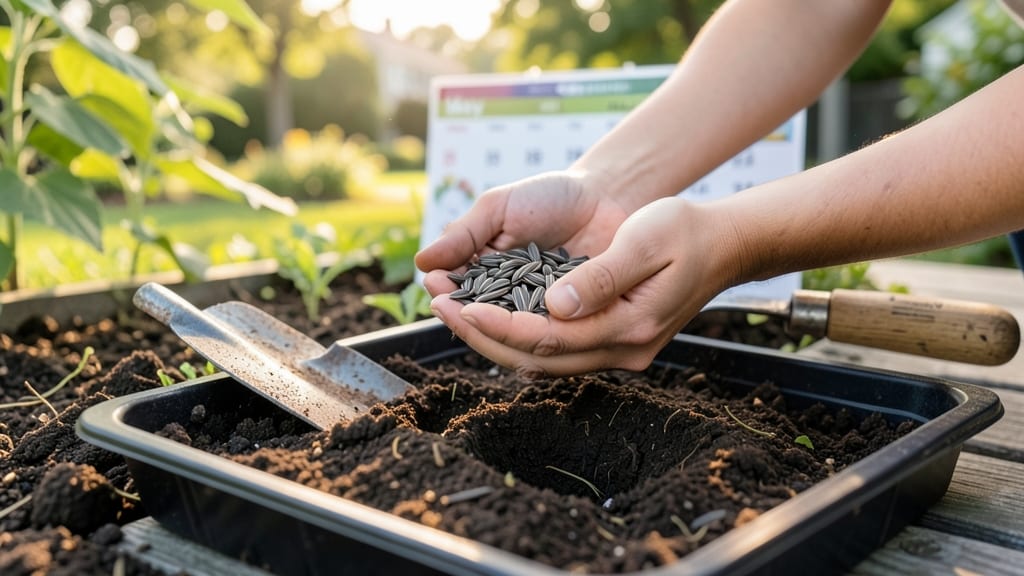
Planting sunflower seeds in Ohio between mid-April and early June ensures they thrive before the first frost 🌻 — the exact timing depends on your zone and last frost date.
If you’ve ever watched your sunflower seedlings wilt overnight after a surprise frost, you know how critical timing is. Ohio’s Zone 5-6 climate gives you a 165-day frost-free window, but missing the mark by even a week can leave your plants struggling to mature.
Below, I’ll break down the ideal planting schedule by zone, soil prep tips, and how to stretch your growing season with succession planting. Whether you’re growing sunflowers for their striking blooms or nutritious seeds, getting the timing right is the key to a bountiful harvest.
You’ll also discover the best varieties for Ohio’s short season, spacing advice, and how to protect young plants from late frosts—so you can enjoy sunflowers from July through October without stress.
Ohio sunflower planting timeline: exact dates by Zone 5-6 frost dates
Ohio’s Zone 5-6 climate offers a perfect window for growing sunflowers, but knowing the exact last frost dates and soil conditions is critical. Sunflowers thrive in warm weather and need 60-90 frost-free days to mature fully.
In Ohio, this typically means planting between mid-April and early June, depending on your specific microclimate.
The average last frost date in Ohio’s Zone 5-6 regions falls around April 15 for southern areas and May 1 for northern regions. However, these dates can shift by 1-2 weeks based on elevation and local weather patterns.
Always check your local frost calendar or use a frost date predictor tool for precision.
Sunflower seeds should only be planted when soil temperatures reach at least 55°F (13°C). In Ohio, this usually aligns with late April to early May. Cold soil can stunt germination, so wait for consistent warmth before sowing. A soil thermometer is your best friend for tracking this.
For direct sowing, aim to plant seeds 1 inch deep and 6 inches apart in rows spaced 2-3 feet apart. This spacing ensures proper airflow and prevents powdery mildew, a common issue in Ohio’s humid summers.
If you’re growing dwarf varieties, you can plant them closer together.
| Zone | Last Frost Date | Ideal Planting Window | Soil Temp Requirement | Transplant Window |
|---|---|---|---|---|
| Zone 5 (North Ohio) | May 1 | May 15 - June 1 | 55°F+ | April 20 (indoor start) |
| Zone 5 (South Ohio) | April 20 | April 25 - May 10 | 55°F+ | April 1 (indoor start) |
| Zone 6 (North Ohio) | April 25 | May 1 - May 15 | 55°F+ | April 15 (indoor start) |
| Zone 6 (South Ohio) | April 15 | April 20 - May 5 | 55°F+ | March 25 (indoor start) |
If you’re starting seeds indoors, begin 4-6 weeks before your last frost date. Use biodegradable pots to avoid transplant shock when moving seedlings outdoors. Harden off seedlings by placing them outside for 2-3 hours daily starting 1 week before transplanting to acclimate them to Ohio’s variable spring weather.
For succession planting, sow additional seeds every 2 weeks until early June. This extends your harvest window and ensures a continuous supply of sunflower seeds or cut flowers.
Just be mindful of Ohio’s first frost date, which typically arrives around October 15, to avoid losing young plants.
Ohio’s humid summers can stress sunflowers, so prioritize well-draining soil and full sun exposure. Amend your soil with compost before planting to improve fertility and drainage. Sunflowers are drought-tolerant once established, but consistent watering during germination and flowering is key to preventing blossom drop.
Monitor your sunflowers for pests like sunflower moths or diseases such as rust, which are common in Ohio’s climate. Early intervention with neem oil or organic fungicides can save your plants.
With the right timing and care, you’ll enjoy vibrant blooms from July through October, turning your Ohio garden into a cheerful sunflower haven.
Pro tip: Mark your planting dates on a garden calendar and set reminders for watering and fertilizing. Ohio’s unpredictable weather means staying organized is half the battle in growing sunflowers successfully. Happy planting! 🌻
Best sunflower varieties for Ohio’s short season: growth speed vs. frost tolerance
Ohio’s 165-day growing season demands sunflower varieties that mature quickly while enduring late frosts. The right choice depends on whether you prioritize height, seed production, or early blooms—each trait impacts your harvest window differently.
For example, my ‘Moulin Rouge’ plants reached 10 feet in just 60 days, while ‘Autumn Beauty’ took 85 days but produced stunning bicolor blooms through October.
When selecting varieties, focus on days to maturity and frost tolerance. Ohio’s last frost typically hits by April 15, but late-season varieties need protection until October’s first frost.
Fast-maturing types like ‘Teddy Bear’ (55 days) give you a July harvest, while slower growers like ‘Russian Giant’ (120 days) reward patience with towering 14-foot stalks—if you plant them early enough to avoid frost.
Here’s how I compare top varieties for Ohio gardens, balancing growth speed, frost hardiness, and height to maximize your season:
🌻 Fast-Maturing Varieties (50-70 Days)
- Harvest by July-August
- Ideal for short seasons
- Great for cut flowers
- Shorter 3-6 ft stalks
- Smaller seed yield
- Less frost-resistant
🌿 Mid-Season Varieties (70-90 Days)
- Balanced height (6-10 ft)
- Better seed production
- Blooms July-September
- Needs earlier planting
- Vulnerable to late frosts
- Slower initial growth
🌳 Late-Season Varieties (90-120 Days)
- Tallest 10-14 ft varieties
- Largest seed yield
- Blooms August-October
- Requires early planting
- Risk of frost damage
- Longer time to maturity
For Ohio’s Zone 5-6 climate, I recommend planting fast-maturing types in late May for a July harvest, while mid-season varieties like ‘Autumn Beauty’ should go in early May.
Late-season giants like ‘Russian Giant’ need to be sown by April 15 to avoid frost—though I’ve used row covers to extend their season by 2-3 weeks.
Pro tip: Pair tall varieties with dwarf types (like ‘Teddy Bear’) to create vertical interest while ensuring early blooms. For example, my 8-foot ‘Mammoth’ sunflowers towered over my 3-foot ‘Sunspot’ companions, creating a stunning layered effect that lasted until October’s first frost.
Remember, Ohio’s unpredictable weather means succession planting is your best friend. Stagger your sowings every 2 weeks from May through June to enjoy sunflowers from July through October—no frost-related disappointments here! 🌻