
Plants
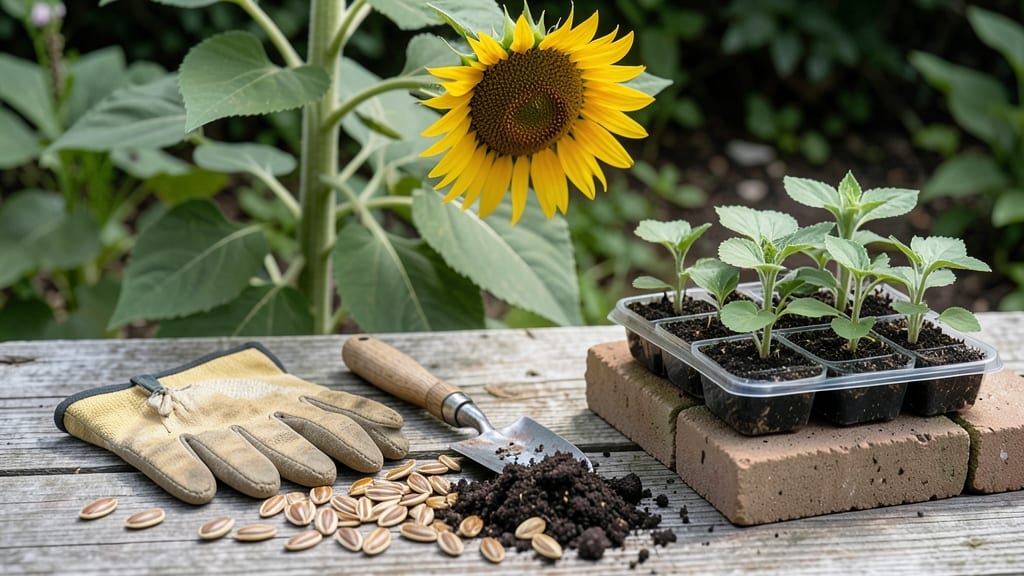
Plant sunflower seeds in Ohio after the last frost date, typically between mid-April and early June when soil temperatures hit 60-70°F.
Ohio’s unpredictable spring weather can make sunflower gardening tricky—plant too early, and frost zaps your seedlings; too late, and you miss peak bloom season. Timing is everything for these towering beauties, and these science-backed triggers will help you nail it.
In USDA Zones 6a-6b, the average frost-free window spans from mid-April to early June, but northern Ohio may need to wait until late May.
Southern Ohio’s warmer microclimates can start as early as late March, giving you a 6-week window to get seeds in the ground before summer heat sets in.
Below, I’ll break down the exact soil temperature triggers, frost-free date maps, and variety-specific planting schedules to ensure your 🌻 sunflowers thrive from seed to towering bloom.
Ohio’s frost-free date map & sunflower planting zones
Ohio’s USDA Zones 5-6 create a 165-day growing season, but your exact frost-free window depends on whether you’re in northern (Zone 5b) or southern (Zone 6a) Ohio. Sunflowers (Helianthus annuus) can handle 20-25°F for germination, but seedlings need consistent warmth to thrive.
Using historical data, northern Ohio’s last frost typically arrives April 15-30, while southern Ohio sees frost-free conditions 2-3 weeks earlier.
Most Ohio gardeners aim for mid-April to early June planting, but this varies by microclimate. For example, Toledo’s average last frost is April 20, while Columbus sees frost-free conditions by April 10.
Even within cities, urban heat islands can shift your frost date by 5-7 days—always check local records from your county extension office.
Here’s how to pinpoint your exact frost-free date using three key triggers:
- Historical frost records (NOAA climate data)
- USDA Zone 5-6 hardiness maps
- Sunflower seed viability (20-25°F threshold)
Your local extension office provides the most accurate frost dates—call or visit their website to download historical frost maps for your county. For example, Ohio State Extension offers free frost-free calculators that factor in elevation and microclimates.
Even a 5°F warmer microclimate (like a south-facing slope) can let you plant 10 days earlier.
Sunflowers planted too early risk frost damage to seedlings, while late plantings may not mature before Ohio’s first frost in mid-October. Aim for 70-90 days to maturity before your average first frost.
For instance, if your first frost is October 15, plant ‘Teddy Bear’ (50-day) by August 25 for a late-season harvest.
For container gardening, use black plastic mulch to warm soil 5-10°F faster than bare ground. This lets you plant 2-3 weeks earlier in spring and extend harvests by 10-14 days in fall.
Test your soil temperature with a soil thermometer—sunflowers need 60°F+ for germination, even if air temps feel warm.
If you’re in Zone 5b, consider staggered plantings: sow half your seeds in early May and the rest in mid-June for a continuous bloom from July through October. This insurance strategy protects against late frosts and ensures seed production even if early plantings fail.
Track your local frost dates for 3 years to identify patterns—some years, Ohio’s frost arrives 2 weeks early or late. Use a garden journal to note when your sunflowers sprout, bloom, and produce seeds. Over time, you’ll refine your planting schedule to match <
Soil temperature triggers: the hidden factor most Ohio gardeners miss
Most gardeners focus on air temperature when planting sunflowers, but soil temperature is the real game-changer for germination. Sunflower seeds need consistent warmth—at least 60°F (15°C)—to sprout reliably. In Ohio’s unpredictable spring, this often means waiting weeks longer than you’d expect, even if air temps feel warm.
Cold soil can delay sprouting by 10-14 days, leaving your sunflowers vulnerable to late frosts.
Why does this happen? Sunflower seeds are sensitive to soil-borne pathogens when planted too early, and cold soil slows enzyme activity needed for seed metabolism. Even if your thermometer shows 70°F (21°C) air temps, the ground might still be 50°F (10°C)—a critical difference for these tropical-loving seeds.
This is why many Ohio gardeners see spotty germination or stunted seedlings when they plant too soon.
How to test your soil temperature before planting: Use a soil thermometer (available for $10-$15) and check temps at 4-inch depth—the level where sunflower roots will first emerge. For reliable germination, aim for 60-70°F (15-21°C). In northern Ohio (Zone 5), this typically happens late April to early May, while southern Ohio (Zone 6) may see ready soil by mid-April.
If your soil isn’t warm enough yet, don’t despair—there are three proven strategies to jumpstart germination. First, use black plastic mulch (laid 1-2 weeks before planting) to absorb sunlight and raise soil temps by 5-10°F.
Second, try seedling heat mats ($15-$25) under your seed trays if starting indoors. Third, opt for fast-maturing varieties like 'Teddy Bear' (50-55 days to maturity) that can tolerate slightly cooler soils better than giant varieties.
For Ohio gardeners in Zone 5, I recommend waiting until May 1st unless you’ve tested and confirmed soil temps above 60°F. In Zone 6, you can push it to April 20th with confidence.
Pro tip: Check soil temps in the afternoon—this is when they’re warmest and give the most accurate prediction for next-day sprouting.
Remember, sunflowers are fast growers once they sprout, but they won’t make up for lost time if germination is delayed. By focusing on soil temperature rather than air temperature, you’ll avoid the heartbreak of frost-nipped seedlings or uneven growth.
Your sunflowers will thank you with bold, healthy blooms all summer long! 🌻